
Counter Drone Procurement in Southeast Asia: Key Considerations for Governments and Security Agencies


The rapid adoption of unmanned aerial vehicles (UAVs), commonly known as drones, has created both opportunities and security challenges across Southeast Asia. While drones are widely used in logistics, agriculture, infrastructure inspection, and surveillance, their misuse has become a growing concern for governments, airports, energy facilities, and military installations.
As a result, counter drone procurement in Southeast Asia has become a strategic priority for many public and private sector organisations seeking to protect critical infrastructure and maintain national security. Procuring effective counter-drone systems requires careful evaluation of technology, regulatory frameworks, supply chains, and operational requirements.
Why Counter Drone Procurement in Southeast Asia Is Increasing
Several factors are driving the growing demand for counter-drone solutions in the region.
First, drone accessibility has expanded significantly. Commercial drones are now widely available, relatively affordable, and capable of long-range flights and high-resolution surveillance. This accessibility has raised concerns about illegal surveillance, smuggling, and potential attacks on critical infrastructure.
Second, Southeast Asia hosts numerous high-risk assets that require protection. These include:
-
International airports
-
Oil and gas facilities
-
Ports and shipping lanes
-
Government buildings
-
Military bases
-
Power plants and telecommunications infrastructure
Unauthorized drones can disrupt airport operations, threaten maritime security, or compromise sensitive facilities.
In response, governments across the region are investing in counter drone procurement in Southeast Asia to enhance detection, tracking, and neutralisation capabilities.
Understanding Counter Drone Technologies
Before engaging in procurement, organisations must understand the different categories of counter-drone technologies available.
Detection and Identification Systems
The first stage in counter-drone defence is detecting and identifying an unmanned aerial threat.
Common detection technologies include:
-
Radio frequency (RF) scanners
-
Radar systems designed for small aerial targets
-
Electro-optical and infrared cameras
-
Acoustic sensors
These systems allow operators to detect drone activity and identify the type of drone being used.
Drone Tracking and Monitoring
Once a drone has been detected, tracking systems help determine its flight path, origin, and potential threat level.
Tracking capabilities often rely on integrated sensor networks that combine radar, RF analysis, and optical tracking. This multi-layered approach increases reliability in complex urban or maritime environments common across Southeast Asia.
Drone Mitigation and Neutralisation
Mitigation systems are designed to stop or disable unauthorized drones.
Common solutions include:
-
RF jamming systems
-
GPS spoofing technologies
-
Drone capture systems such as nets or interceptor drones
-
Directed energy solutions for military applications
Procurement decisions must consider operational environment, legal restrictions, and potential risks to surrounding infrastructure.
Regulatory Challenges in Counter Drone Procurement in Southeast Asia
Regulatory frameworks for counter-drone operations vary widely across Southeast Asian countries.
Many jurisdictions strictly regulate technologies that interfere with radio signals or navigation systems. For example, RF jamming devices may require military or government authorisation due to their potential to disrupt legitimate communications.
Additionally, airspace management laws must be considered when implementing counter-drone systems near airports or populated areas.
Organisations involved in counter drone procurement in Southeast Asia must therefore ensure compliance with national aviation authorities, telecommunications regulators, and defence ministries.
Partnering with experienced procurement and logistics specialists can help organisations navigate these regulatory requirements and avoid delays in deployment.
Supply Chain Considerations for Counter Drone Systems
Procuring counter-drone equipment involves complex international supply chains, particularly when systems include advanced sensors, communication technologies, or defence-grade components.
Key procurement challenges include:
-
Export controls on defence technology
-
Import licensing requirements
-
Customs clearance procedures
-
Certification and testing requirements
-
Integration with existing security infrastructure
Ensuring reliable sourcing and timely delivery is critical for governments and infrastructure operators seeking to deploy counter-drone capabilities quickly.
This is where experienced trade partners can provide valuable support.
The Role of Logistics and Procurement Specialists
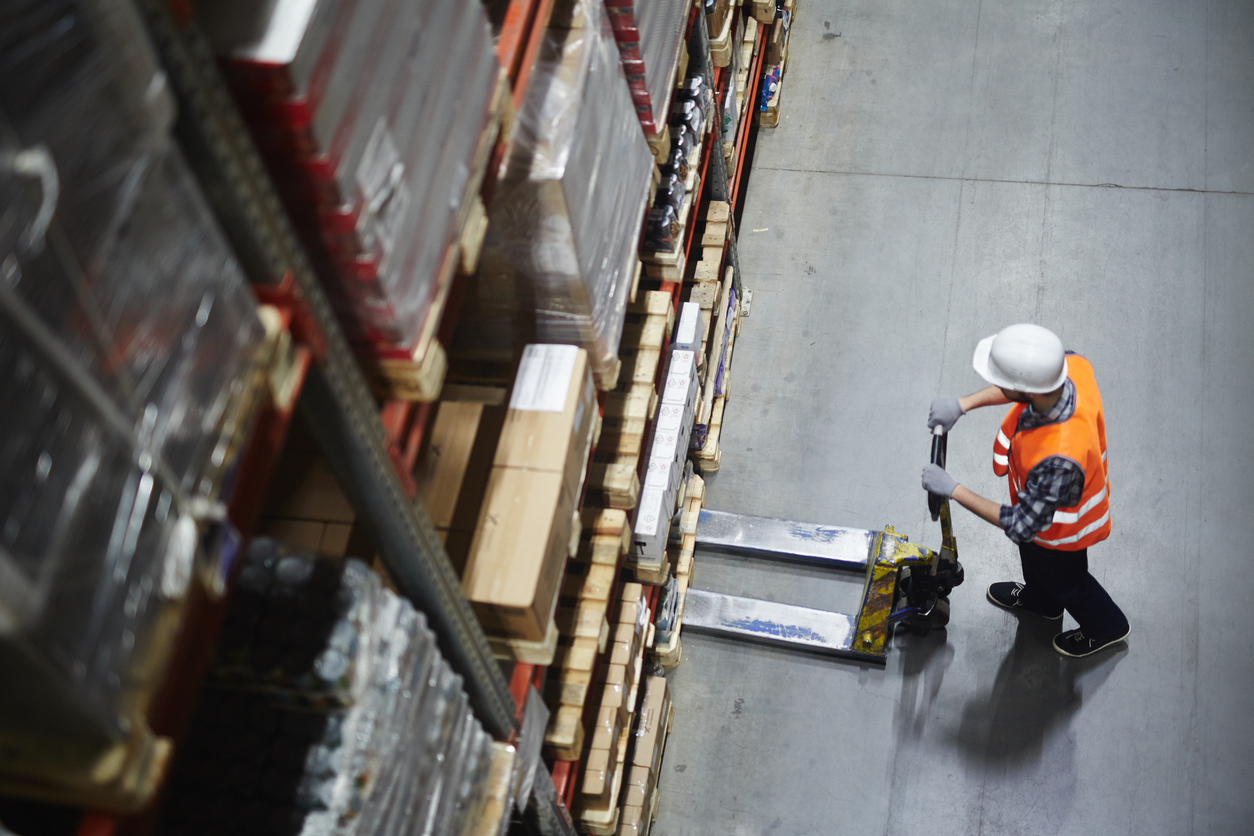
Effective counter drone procurement in Southeast Asia often involves sourcing equipment from multiple international suppliers. Radar systems, RF detection tools, and mitigation technologies may originate from different countries and require careful coordination during transport and installation.
Companies experienced in international trade and logistics can assist with:
-
Supplier sourcing and due diligence
-
Cross-border procurement processes
-
Customs compliance and documentation
-
Shipping and handling of sensitive equipment
-
Supply chain coordination across multiple vendors
For organisations operating across African and global markets, firms such as Wigmore Trading provide procurement support, distribution expertise, and logistics coordination that help streamline complex sourcing operations. Their experience in international trade and compliance can assist organisations in navigating procurement challenges when sourcing specialised equipment and technology.
Key Factors to Evaluate During Procurement
When planning counter-drone investments, decision-makers should assess several operational and strategic factors.
Operational Environment
Urban environments, coastal areas, and dense infrastructure can affect sensor performance and system effectiveness.
Integration with Existing Security Systems
Counter-drone platforms should integrate with existing surveillance systems, command centres, and threat monitoring infrastructure.
Scalability and Future Expansion
Drone technology evolves rapidly. Procurement strategies should prioritise flexible systems that can adapt to new drone threats.
Vendor Reliability and Support
Reliable maintenance, software updates, and training are essential for long-term system performance.
Careful evaluation of suppliers and supply chains helps ensure successful system deployment.
Conclusion
The growing use of drones across Southeast Asia has made airspace security a critical concern for governments, infrastructure operators, and defence agencies. As a result, counter drone procurement in Southeast Asia is becoming an essential part of modern security strategies.
Successful procurement requires more than selecting the right technology. It involves navigating regulatory requirements, managing complex supply chains, and ensuring seamless integration with existing security systems.
Working with experienced procurement and logistics partners can help organisations overcome these challenges while ensuring efficient sourcing and deployment.
Wigmore Trading can help organisations manage sourcing, procurement logistics, and supply chain coordination for specialised equipment and international trade projects.
Contact Wigmore Trading today to streamline your sourcing.




Comments are closed.