
Understanding Tariff-Free Trade Zones in USA and Their Benefits

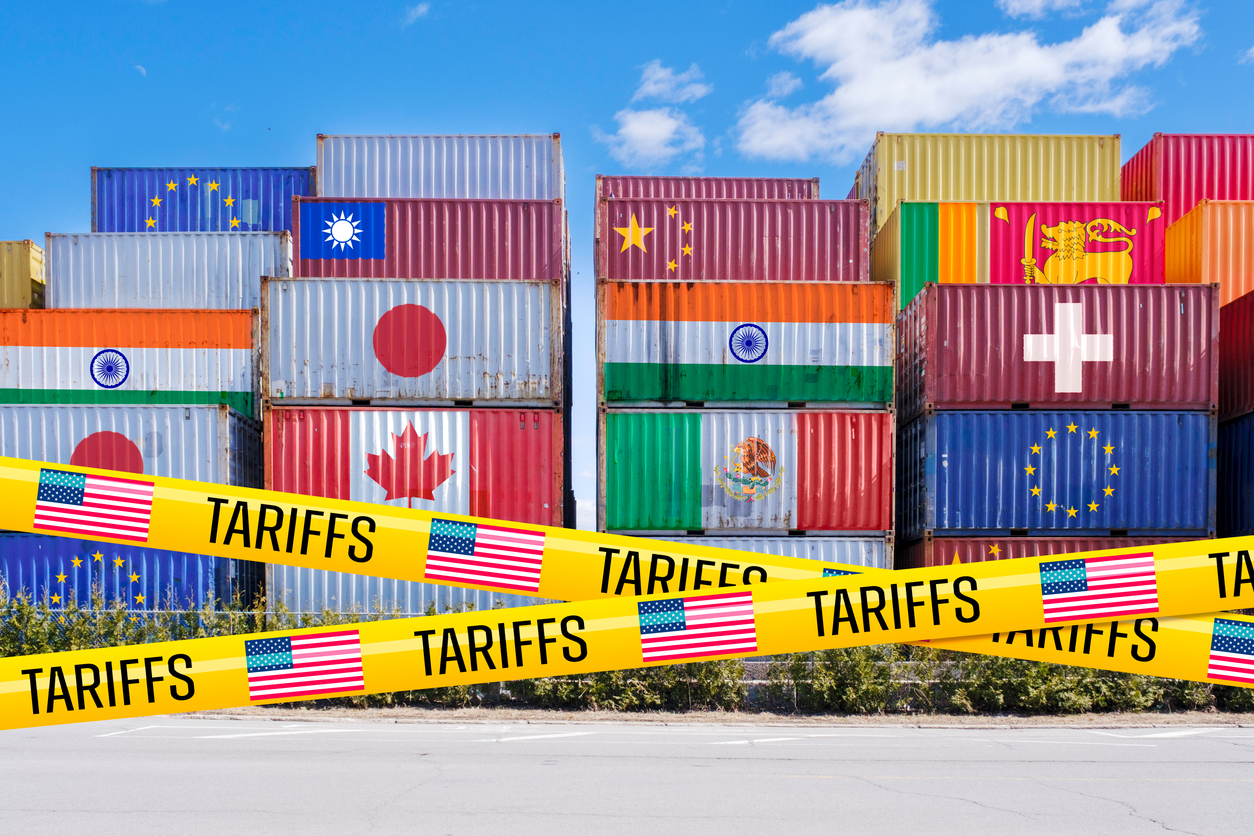
Tariff-free trade zones in the USA, also known as Foreign Trade Zones (FTZs), are special economic areas where imported goods can be stored, processed, assembled, or re-exported without the immediate payment of customs duties. These zones are strategically designed to encourage global trade, lower operational costs, and enhance manufacturing competitiveness.
Companies that import or export in bulk benefit from these zones by deferring or eliminating tariffs—offering significant savings and flexibility in their supply chain.
How Tariff-Free Trade Zones Work
When goods enter a U.S. FTZ, no duties are paid unless they leave the zone for domestic consumption. If the goods are re-exported, no tariffs are applied at all. This system creates an efficient and cost-effective environment for businesses that deal with international sourcing, assembly, and redistribution.
For example, an importer may bring in raw materials, process them in a trade zone, and export finished goods—all without paying import duties. The result is improved cash flow and stronger profit margins.
Benefits of Tariff-Free Trade Zones for Global Businesses
1. Duty Deferral and Elimination
The most direct benefit of operating within tariff-free trade zones is the reduction or elimination of import duties. Businesses can defer customs payments until goods are sold in the U.S. or bypass them completely through re-exportation.
2. Lower Operational Costs
Companies save on logistics and warehousing by storing goods within FTZs without immediate tax or duty obligations. This improves inventory management and reduces financial pressure, especially for wholesalers and distributors managing high volumes.
3. Streamlined Customs Procedures
FTZs are equipped with simplified customs processes. This minimizes paperwork, accelerates clearance times, and enhances operational efficiency—vital advantages for import/export businesses that rely on just-in-time (JIT) supply chains.
4. Enhanced Global Competitiveness
Businesses operating within tariff-free trade zones can offer more competitive pricing due to lower landed costs. For African traders and importers sourcing goods from the USA, this advantage translates into higher profit margins and faster market entry.
Major Tariff-Free Trade Zones in the USA
Several U.S. cities host active and strategically located Foreign Trade Zones. Some notable ones include:
-
FTZ No. 124 – Port of New Orleans, Louisiana – Ideal for African importers trading in food products, raw materials, and energy commodities.
-
FTZ No. 68 – El Paso, Texas – A key gateway for electronics, automotive parts, and cross-border manufacturing.
-
FTZ No. 49 – Newark, New Jersey – Well-suited for bulk imports and FMCG products due to its proximity to major shipping ports.
-
FTZ No. 84 – Houston, Texas – Serves industries like petroleum, chemicals, and heavy machinery.
-
FTZ No. 62 – Brownsville, Texas – Efficient for logistics companies dealing with large-volume re-exports to Latin America and Africa.
These zones operate under the oversight of the U.S. Foreign-Trade Zones Board, ensuring compliance while providing businesses with maximum flexibility and cost advantages.
How Wigmore Trading Can Help Businesses Leverage FTZs
Wigmore Trading specializes in import/export facilitation, wholesale distribution, and logistics solutions across Africa and beyond. With a deep understanding of customs operations and international trade regulations, Wigmore helps clients source goods from tariff-free trade zones in the USA efficiently and legally.
Our expertise includes:
-
Product sourcing from reputable U.S. suppliers within FTZs
-
Customs coordination and compliance with export documentation
-
Cost optimization through consolidated shipments and duty management
-
End-to-end logistics, from U.S. ports to African destinations
By leveraging these zones, African importers can access premium American goods at lower landed costs—maximizing profitability and supply chain reliability.
Why African Traders Should Explore U.S. Tariff-Free Zones
For African businesses expanding their sourcing networks, the USA’s FTZs represent a strategic opportunity. They reduce import expenses, simplify logistics, and open access to a wide range of products, from machinery and electronics to food commodities and consumer goods.
With global supply chains becoming more complex, tariff-free trade zones offer a sustainable and cost-efficient path for trade growth between the U.S. and African markets.
Final Thoughts
Tariff-free trade zones in the USA are transforming how international trade operates—offering companies a smarter way to import, store, and export goods while minimizing costs. Businesses looking to expand their operations or reduce import duties can greatly benefit from this system.
Wigmore Trading can help identify the right trade zone partners, manage procurement, and handle logistics to streamline your sourcing process.
Contact Wigmore Trading today to explore how we can support your next trade venture.




Comments are closed.