
Buy and export Plywood from China with Wigmore Trading

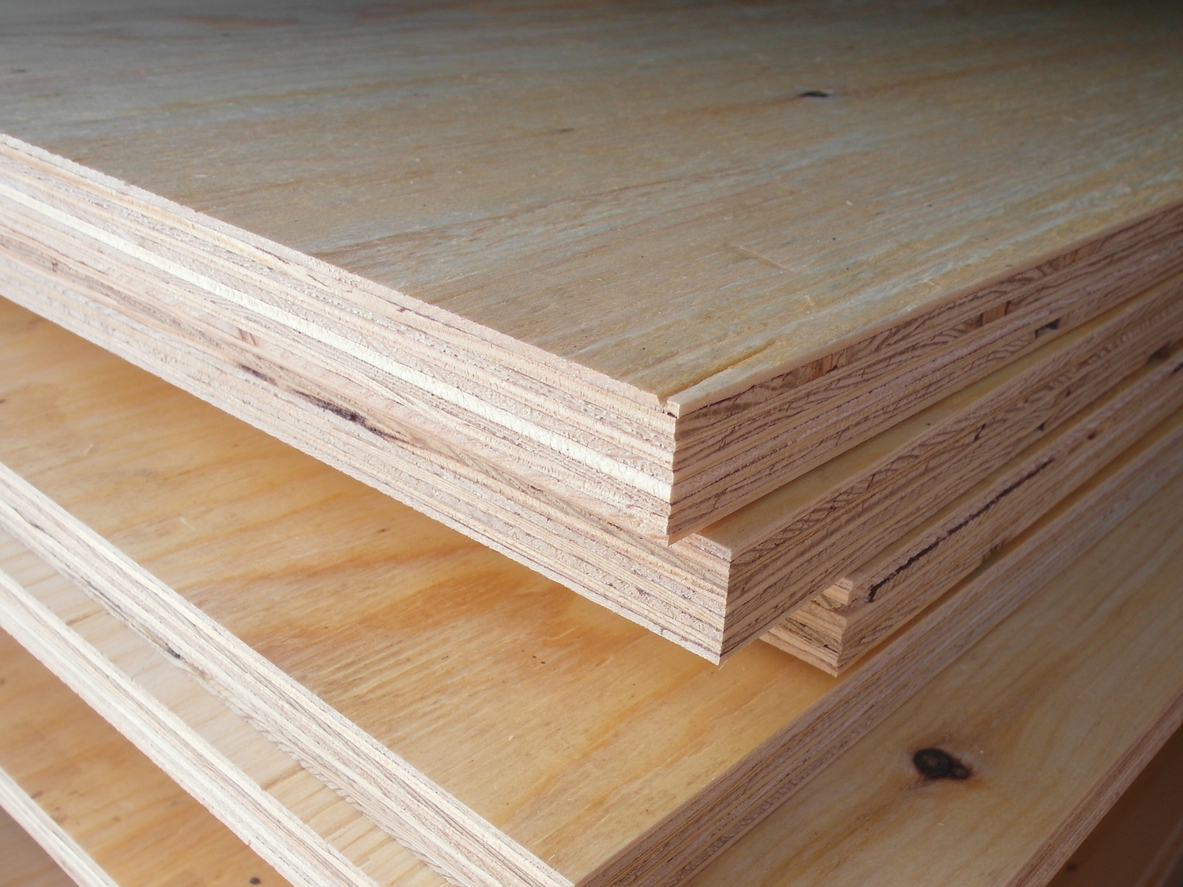
Importers looking to export plywood from China are tapping into one of the world’s most competitive and mature plywood supply bases. With strong manufacturing capacity, a wide range of grades and competitive pricing, China remains a key source for construction, furniture and interior fit-out projects worldwide.
Wigmore Trading helps buyers turn that opportunity into reliable, repeatable supply by managing sourcing, quality, and logistics from China to your destination market.
Why buy and export plywood from China?
China is one of the largest global exporters of plywood, supplying billions of dollars’ worth of panels annually to markets in Asia, Europe, the Middle East and Africa.
For importers, this offers several advantages:
-
Broad product range – From thin interior panels to structural hardwood plywood, marine-grade options and film-faced shuttering boards, Chinese mills produce almost every specification you might need.
-
Competitive pricing at scale – High volumes and established export infrastructure allow Chinese suppliers to offer attractive prices, especially for full-container loads.
-
Established export know-how – Many Chinese plywood manufacturers are export-focused, familiar with international standards and documentation.
However, tapping into this opportunity safely requires careful supplier selection, quality control and dependable logistics. That’s where Wigmore Trading can help.
Key considerations when sourcing plywood in China
When you buy and export plywood from China, paying attention to technical and compliance details protects your margins and your reputation in the destination market.
1. Grade, core and face quality
Check the plywood grade (e.g. BB/CC, B/BB), core material (poplar, eucalyptus, mixed hardwoods) and face veneer quality. These factors affect strength, finish and suitability for structural or decorative use.
2. Glue and formaldehyde emissions
Different markets require specific glue types and emission classes such as E0 or E1. These standards limit formaldehyde emissions from the resins used in plywood.
3. Moisture resistance and application
For interior furniture, MR (moisture-resistant) glue may be sufficient. For exterior or formwork use, WBP/phenolic glue and film-faced panels are usually preferred.
4. Certification and compliance
Depending on your market, you may need:
-
CE or UKCA marking
-
FSC/PEFC chain-of-custody
-
Test reports for structural performance and emissions
5. Packing, labelling and documentation
Correct packing lists, HS codes, origin declaration and clear labelling help you avoid customs delays or disputes.
Wigmore Trading works with vetted Chinese plywood mills and can help you match product specs to your market’s technical and regulatory requirements.
How Wigmore Trading simplifies plywood exports from China
Working directly with multiple factories from overseas can be risky and time-consuming. Wigmore Trading acts as your on-the-ground partner to streamline the entire process.
Supplier identification and negotiation
We leverage our network of Chinese plywood producers to identify reliable mills that meet your requirements on quality, volume and price. Wigmore Trading negotiates on your behalf to secure competitive terms.
Product selection and quality checks
Our team helps you specify:
-
Thickness and sheet size
-
Core and face species
-
Glue type and emission class
-
Surface finish and film type (for formwork panels)
Pre-shipment inspections and random sampling help ensure that what loads into the container is what you ordered. Wigmore Trading can help.
Consolidation and logistics
Many buyers need mixed loads – for example, combining different thicknesses or film-faced and standard plywood. Wigmore Trading can consolidate from multiple suppliers into one shipment, helping you optimise freight costs and stock variety.
From booking space with carriers to preparing bills of lading, commercial invoices and packing lists, we handle the logistics so your plywood moves smoothly from Chinese ports to your warehouse.
Focus on African and emerging markets
Wigmore Trading has particular experience supplying African importers and distributors, where demand for affordable, reliable plywood continues to grow.
Step-by-step: export plywood from China with Wigmore Trading
-
Share your requirements
Tell us your end use (construction, furniture, retail resale), target market and monthly volume. -
Receive sourcing options
We propose suitable Chinese mills, specifications and price options for comparison. -
Confirm specification and compliance
Together we finalise thickness, grading, glue type, emission class and any certifications needed. -
Production and inspection
The factory produces according to agreed specs. Wigmore Trading arranges inspections, if required, before loading. -
Shipping and documentation
We coordinate container loading, ocean freight, and all export documents to meet your import regulations. -
Arrival and after-sales support
Our team remains available to address any quality or documentation questions and to plan repeat orders.
Overcoming common challenges in plywood imports
Importers often face:
-
Inconsistent quality between shipments
-
Hidden costs from poor packing or damage
-
Delays due to incomplete or incorrect documents
-
Regulatory changes (e.g. duties or emission rules) in destination markets
By using Wigmore Trading as your partner, you reduce these risks. We monitor supplier performance, insist on clear specifications, and stay informed about trade and compliance developments affecting plywood imports.
Get in touch with our team to learn more about how we can help you buy and export plywood from China with greater confidence and less hassle.




Comments are closed.