
How Import Tax from China to UK Affects Your Margins: A Practical Guide for Importers

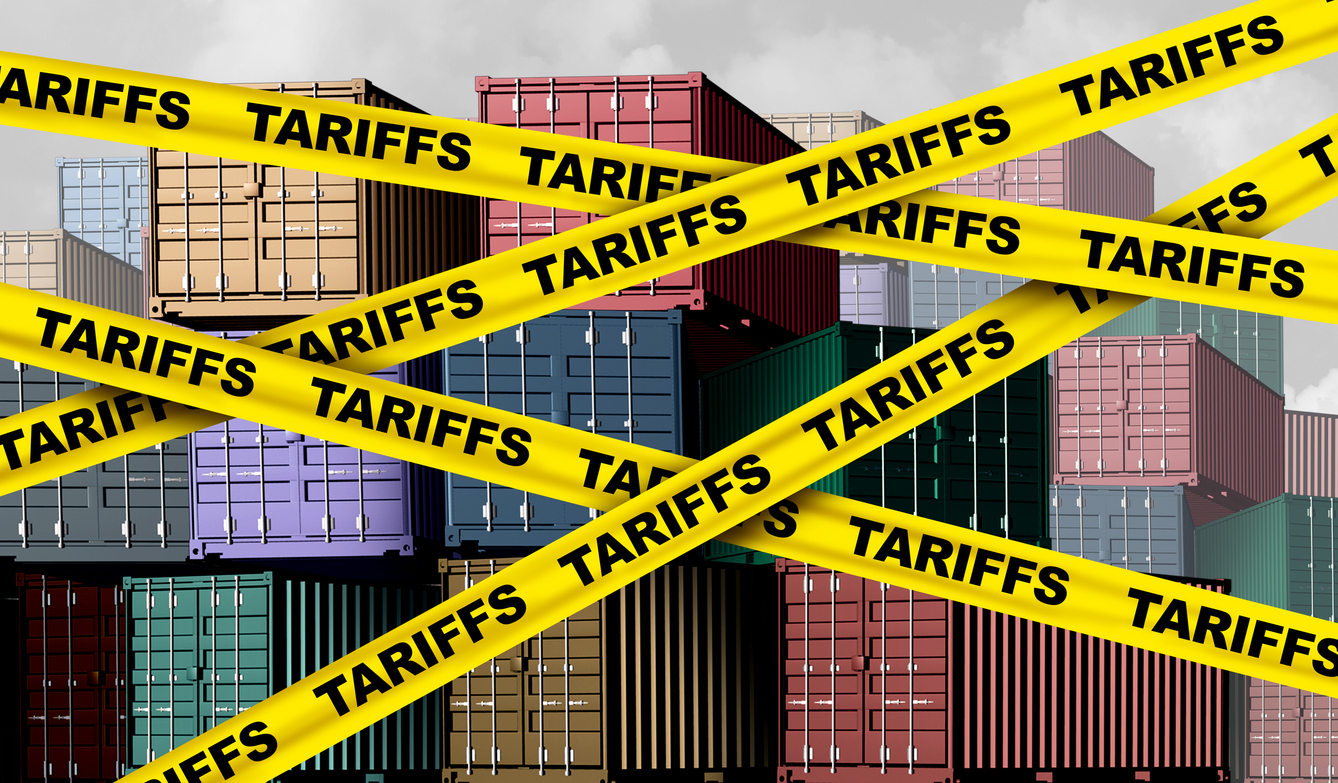
Importing goods from China to the UK remains a core strategy for wholesalers, FMCG distributors, retailers, and industrial suppliers looking to secure competitive pricing and consistent supply. However, understanding import tax from China to UK is essential to avoid unexpected costs, customs delays, and compliance risks.
For businesses operating in import/export and wholesale distribution, clarity on UK customs duties, VAT, and post-Brexit procedures is critical to protecting margins and maintaining smooth supply chains.
What Is Import Tax from China to UK?
When importing goods from China into the United Kingdom, businesses typically pay two main charges:
-
Customs duty
-
Import VAT
These taxes are calculated based on the customs value of the goods, which generally includes the cost of goods, shipping, and insurance (CIF value).
Since China is not covered by a UK free trade agreement, goods imported from China are subject to the UK Global Tariff. The duty rate depends on the commodity code assigned to your product.
Understanding the correct classification is vital. Incorrect commodity codes can lead to overpayment, underpayment penalties, or shipment delays at UK ports.
How Much Is Customs Duty from China to the UK?
Customs duty rates vary widely depending on the product category. For example:
-
Electronics may have relatively low duty rates.
-
Textiles and footwear often attract higher duties.
-
Food and agricultural products may face additional checks and charges.
The exact percentage depends on the UK Global Tariff classification. Importers must identify the correct HS code and check the applicable rate before shipment.
For wholesale buyers importing large volumes from China, even a small duty percentage can significantly impact landed cost. That is why many businesses work with experienced trading and logistics partners to calculate total landed cost in advance.
Wigmore Trading can help businesses assess duty exposure before placing large orders, reducing financial uncertainty.
Import VAT from China to the UK
In addition to customs duty, UK importers must pay 20% import VAT on most goods. VAT is calculated on:
-
The customs value of the goods
-
Plus customs duty
-
Plus shipping and insurance costs
For VAT-registered businesses, import VAT can usually be reclaimed through the VAT return using Postponed VAT Accounting (PVA). This improves cash flow by avoiding upfront VAT payments at the border.
Businesses that are not VAT-registered must pay VAT at import, which directly increases total costs.
For growing distributors and FMCG importers, using Postponed VAT Accounting is often essential to maintaining healthy working capital.
Additional Costs to Consider When Importing from China
Beyond import tax from China to UK, importers should also factor in:
-
Customs clearance fees
-
Freight forwarding charges
-
Port handling fees
-
Inspection or compliance costs
Products such as electronics, cosmetics, and food items may require additional certifications or regulatory checks before entering the UK market.
Failure to prepare correct documentation—including commercial invoices, packing lists, and EORI registration—can lead to delays and storage charges.
Wigmore Trading supports businesses by coordinating documentation, compliance checks, and freight arrangements to minimise disruption.
Common Challenges with Import Tax from China to UK
1. Incorrect Commodity Codes
Misclassification can result in paying the wrong duty rate or facing HMRC penalties. Working with experienced import specialists reduces this risk.
2. Underestimating Landed Costs
Many new importers calculate product cost and freight but overlook customs duty and VAT. A full landed cost analysis should always be completed before purchase agreements.
3. Cash Flow Strain
Paying VAT and duty upfront can restrict liquidity, particularly for SMEs and wholesale distributors managing high inventory turnover.
Practical solutions include:
-
Using Postponed VAT Accounting
-
Negotiating better freight terms (FOB vs CIF)
-
Partnering with an experienced trading company
Wigmore Trading can help streamline sourcing, freight coordination, and compliance, making international procurement more predictable.
How to Reduce Risk When Importing from China
Businesses importing from China to the UK should:
-
Confirm correct HS codes before shipping
-
Calculate full landed cost in advance
-
Ensure EORI registration is active
-
Work with trusted freight and customs specialists
For import/export businesses operating at scale, structured supply chain management is not optional—it is essential.
Wigmore Trading works with UK wholesalers, distributors, and retailers to simplify procurement from China while ensuring compliance with UK customs regulations.
Final Thoughts on Import Tax from China to UK
Understanding import tax from China to UK is fundamental for protecting profit margins and avoiding compliance issues. Customs duty and import VAT can significantly affect total landed cost, especially in competitive FMCG and wholesale sectors.
With proper planning, accurate classification, and effective VAT management, importing from China can remain a cost-effective sourcing strategy.
If your business is importing goods from China or planning to expand international sourcing, Wigmore Trading can help.
Get in touch with our team to learn more about streamlining your imports and managing customs costs effectively.





Comments are closed.