
A Smart Retailer’s Guide to Toys Import from China to UK

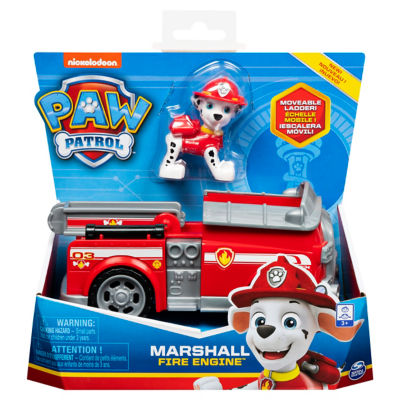
Importing toys from China remains a popular strategy for UK retailers, wholesalers, and e-commerce brands because China offers broad product variety, scalable production, and competitive pricing. But “toys import from China to UK” is not just a buying decision—it’s a regulated supply chain project. Success depends on product safety compliance, correct customs classification, and a logistics plan that protects margins while avoiding delays.
This guide explains what UK importers need to get right, from UK toy safety rules and markings to shipping options and documentation, with practical steps you can apply to your next purchase order.
Why “toys import from China to UK” needs a compliance-first approach
Toys are tightly regulated because they are intended for children and carry higher safety risks. In Great Britain, toy safety is governed by the Toys (Safety) Regulations 2011, which require that toys meet essential safety requirements and that manufacturers (and importers placing goods on the market) can demonstrate conformity through appropriate assessment and documentation.
In practice, this means you should plan compliance activities before production finishes, not after the goods arrive. If the paperwork, lab testing, or labeling is incomplete, you can face refused listings (especially on marketplaces), supply interruptions, or enforcement action.
UKCA vs CE marking for toys: what importers should watch
Many importers still feel uncertain about whether products need UKCA marking, CE marking, or both. Government guidance explains the UKCA framework and the importance of proper conformity assessment and technical documentation.
It’s also important to note that the UK has continued recognition of certain EU requirements (including CE marking) for goods placed on the Great Britain market through legislative changes that took effect on 1 October 2024, alongside updated guidance to help businesses understand how to place products on the GB market.
Because marking rules and transition arrangements can change, importers should treat marking decisions as a compliance checkpoint for every SKU and shipment—not a one-time assumption.
Toy safety standards and testing: aligning with designated standards
One of the most efficient ways to demonstrate toy safety conformity is to test against the relevant designated standards (commonly aligned with the EN 71 series and electrical toy standard EN IEC 62115 for applicable products). Government publications list designated standards that provide a presumption of conformity when applied appropriately.
For importers, the practical takeaway is simple: testing should match the toy’s real risk profile and features (materials, age grading, small parts, magnets, batteries, electronics, coatings, and so on). A blanket “EN 71 tested” claim is not enough if the test scope doesn’t match the product variant you’re importing.
Documentation Requirements for Toys Import from China to UK
As an importer, you’re expected to ensure the manufacturer has completed conformity assessment procedures and compiled a technical file (often including risk assessment and test reports).
You don’t need to turn documentation into a bureaucracy, but you do need to be organised. A short, practical documentation set typically includes:
-
Commercial invoice and packing list for customs clearance
-
Test reports and risk assessment relevant to the toy and its variants
-
Declaration of Conformity and access to the technical documentation supporting it
-
Clear labeling/artwork files (marking, importer details where required, warnings, age grading)
Wigmore Trading can support this stage by coordinating supplier documentation, arranging pre-shipment inspections, and helping you align testing scope with the toys you are actually importing—reducing the risk of “paper compliance” that fails under scrutiny.
Customs basics for importing toys into the UK
Before you import commercially into Great Britain, you typically need a GB EORI number and a plan for customs declarations. The UK’s step-by-step import guidance highlights the GB EORI requirement and the broader process importers should follow.
Another frequent margin leak is misclassification. Duty and VAT depend on the correct commodity code, which you can check using the UK Trade Tariff service.
Even within “toys,” codes can differ based on product type and components, so classification should be verified rather than guessed—especially for mixed items or accessories.
Shipping from China to the UK: choosing the right mode and Incoterms
Your shipping plan should reflect your order size, cash flow, and selling calendar:
Air freight works for urgent launches or replenishment, but costs more and can punish margins on low-value toys.
Sea freight is usually best for bulk orders and stable demand, but requires longer lead times and better forecasting.
Incoterms matter just as much as freight mode. Many first-time importers accept a “cheap” EXW price and later discover they’ve taken on hidden costs (factory pickup, export handling, documentation, and origin-side charges). A clear Incoterms choice—paired with a landed-cost estimate—helps you compare suppliers fairly.
Wigmore Trading can help structure shipments with consolidation, freight planning, and end-to-end coordination so you can model landed cost accurately before you commit to production.
Quality Control in Toys Import from China to UK
Toy import risk isn’t only regulatory—it’s operational. Common problems include inconsistent materials, packaging swaps, missing warnings, and unapproved changes between samples and mass production. The most effective mitigation is a simple three-stage discipline:
-
verify the supplier and confirm the specification,
-
test and approve pre-production samples,
-
inspect and document the final goods before shipment.
This approach is especially valuable for FMCG-adjacent toy lines (seasonal promos, bundled products, or fast-moving novelty items) where speed is important but recalls are costly.
Conclusion
A successful toys import from China to UK depends on doing three things consistently: prove product safety compliance, clear customs smoothly with the right codes and paperwork, and ship on terms that protect your landed cost. When you build compliance and logistics into your sourcing plan early, you reduce surprises, shorten lead times, and protect your brand.
Wigmore Trading can help. Contact Wigmore Trading today to streamline your sourcing.




Comments are closed.