
How to Clear Goods at Tin Can Port Faster

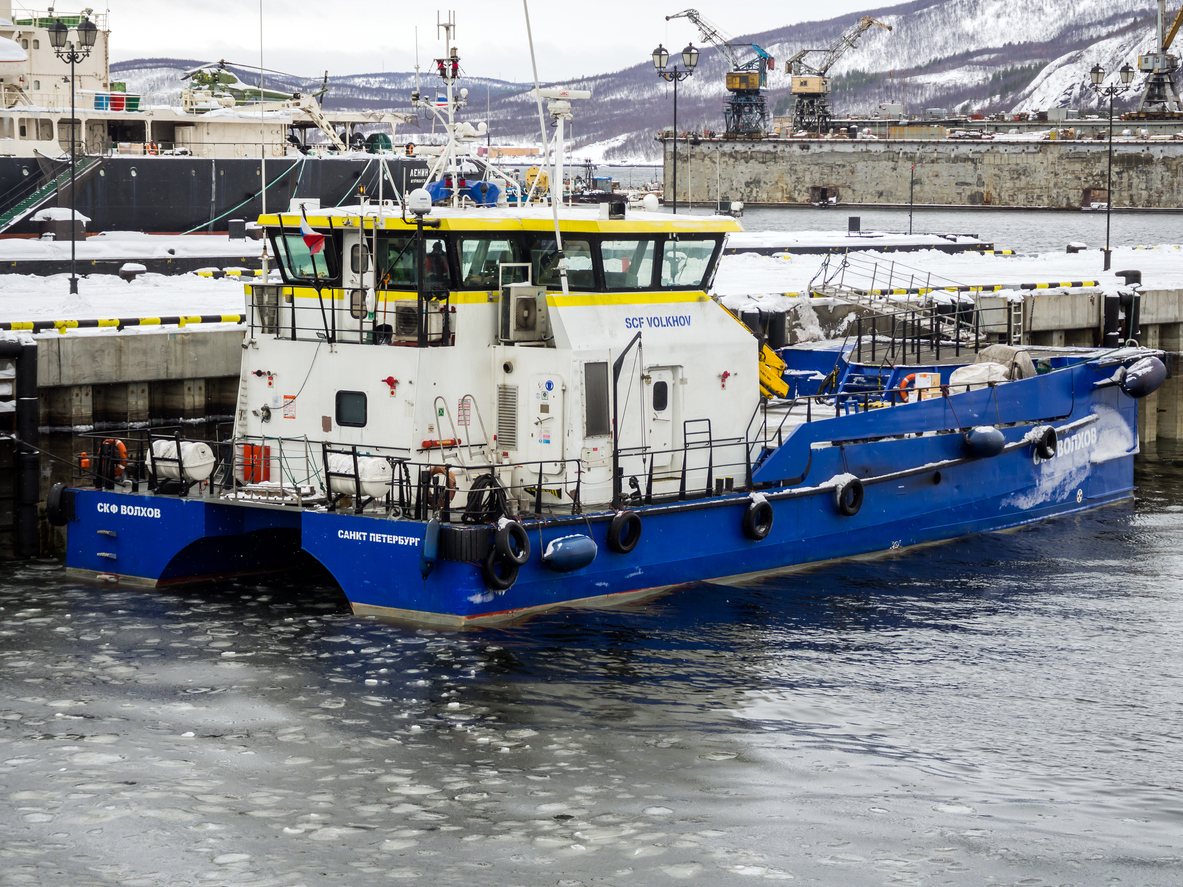
Clearing goods at Tin Can Port is a critical step for businesses importing products into Nigeria. As one of the country’s busiest seaports, Tin Can Island Port in Lagos handles a significant share of Nigeria’s containerised cargo, including FMCG products, industrial equipment, food items, and raw materials.
For importers, wholesalers, and distributors, delays or compliance issues at the port can lead to demurrage charges, supply chain disruption, and lost revenue. Understanding the clearance process—and working with an experienced partner like Wigmore Trading—can help ensure your cargo moves smoothly from vessel to warehouse.
This guide explains the key steps, common challenges, and practical solutions for clearing goods at Tin Can Port.
Understanding the Tin Can Port Clearance Process
Clearing goods at Tin Can Port involves multiple regulatory bodies and documentation checks. The main steps typically include:
-
Pre-arrival documentation
-
Bill of Lading
-
Commercial Invoice
-
Packing List
-
Form M
-
Pre-Arrival Assessment Report (PAAR)
-
SONCAP (if applicable)
-
NAFDAC permits (for regulated goods)
-
-
Customs declaration
Licensed customs agents submit documentation through the Nigeria Customs Service (NCS) platform for processing and duty assessment. -
Duty payment
Import duties, levies, and taxes must be paid before cargo is released. -
Physical examination or scanning
Containers may be scanned or physically examined by Customs and other agencies. -
Terminal handling and release
Once cleared, the container is released from the terminal for onward haulage.
Each stage must be handled accurately to avoid unnecessary delays or penalties.
Common Challenges When Clearing Goods at Tin Can Port
1. Documentation Errors
Incorrect HS codes, valuation discrepancies, or incomplete paperwork can trigger queries or cargo holds. Even small inconsistencies between the invoice and Form M can delay clearance.
Solution: Work with experienced customs clearing professionals who understand Nigerian import regulations and ensure documentation is correctly prepared before cargo arrival.
Wigmore Trading can assist importers with documentation review and compliance support to minimise errors.
2. Delays in Duty Assessment and Payment
Incorrect tariff classification or valuation disputes can delay duty assessment. This often results in extended container storage and demurrage costs.
Solution: Accurate product classification and realistic valuation are essential. Partnering with a knowledgeable clearing agent reduces the risk of reassessment or penalties.
By leveraging its experience in import/export and wholesale distribution, Wigmore Trading helps businesses streamline duty processing and avoid costly delays.
3. Regulatory Bottlenecks
Certain goods—such as food products, cosmetics, pharmaceuticals, and electronics—require approvals from agencies like NAFDAC or SON. Without the right certifications, cargo may be held at the port.
Solution: Ensure all regulatory approvals are secured before shipment arrival. Early preparation prevents last-minute compliance issues.
Wigmore Trading supports clients importing FMCG and regulated goods by advising on required certifications and compliance processes.
4. Port Congestion and Demurrage
Tin Can Port frequently experiences congestion, which can extend container dwell time. If cargo is not cleared quickly, importers face demurrage and storage charges.
Solution: Proactive tracking, pre-clearance documentation, and efficient coordination with terminal operators help reduce delays.
Working with a reliable logistics and clearing partner ensures faster turnaround and improved supply chain efficiency.
Why Efficient Clearance Matters for Businesses
For companies in wholesale distribution, manufacturing, and retail, delays in clearing goods at Tin Can Port can disrupt inventory cycles and customer commitments.
Efficient port clearance leads to:
-
Reduced demurrage and storage costs
-
Faster inventory replenishment
-
Improved cash flow
-
Stronger supplier and customer relationships
In competitive industries such as FMCG and industrial supply, speed and reliability are crucial.
How Wigmore Trading Supports Importers
Wigmore Trading works with businesses across Nigeria and internationally to simplify sourcing, shipping, and customs clearance.
Services include:
-
Import documentation guidance
-
Customs clearing coordination
-
Regulatory compliance advisory
-
FMCG and bulk commodity sourcing
-
End-to-end supply chain support
By combining local market expertise with international trade knowledge, Wigmore Trading helps businesses reduce risk and operate more efficiently.
Whether you are importing consumer goods, industrial materials, or wholesale products, having a trusted partner can significantly ease the process of clearing goods at Tin Can Port.
Wigmore Trading can help.
Best Practices for Clearing Goods at Tin Can Port
To ensure smooth operations:
-
Prepare and verify all documentation before shipment departure
-
Use correct HS codes and transparent product valuation
-
Secure necessary regulatory permits early
-
Monitor vessel arrival and clearance timelines
-
Partner with experienced customs clearing professionals
Taking a proactive approach reduces unexpected costs and improves operational efficiency.
Final Thoughts
Clearing goods at Tin Can Port requires careful planning, regulatory compliance, and efficient coordination between multiple stakeholders. While the process can be complex, it becomes far more manageable with the right expertise and preparation.
For importers and distributors operating in Nigeria, optimising port clearance processes is essential to maintaining profitability and supply chain reliability.
Contact Wigmore Trading today to streamline your sourcing and clearance operations. Get in touch with our team to learn more about how we can support your import and logistics needs.






Comments are closed.