
Step-by-Step Process for Clearing Goods at Lekki Port

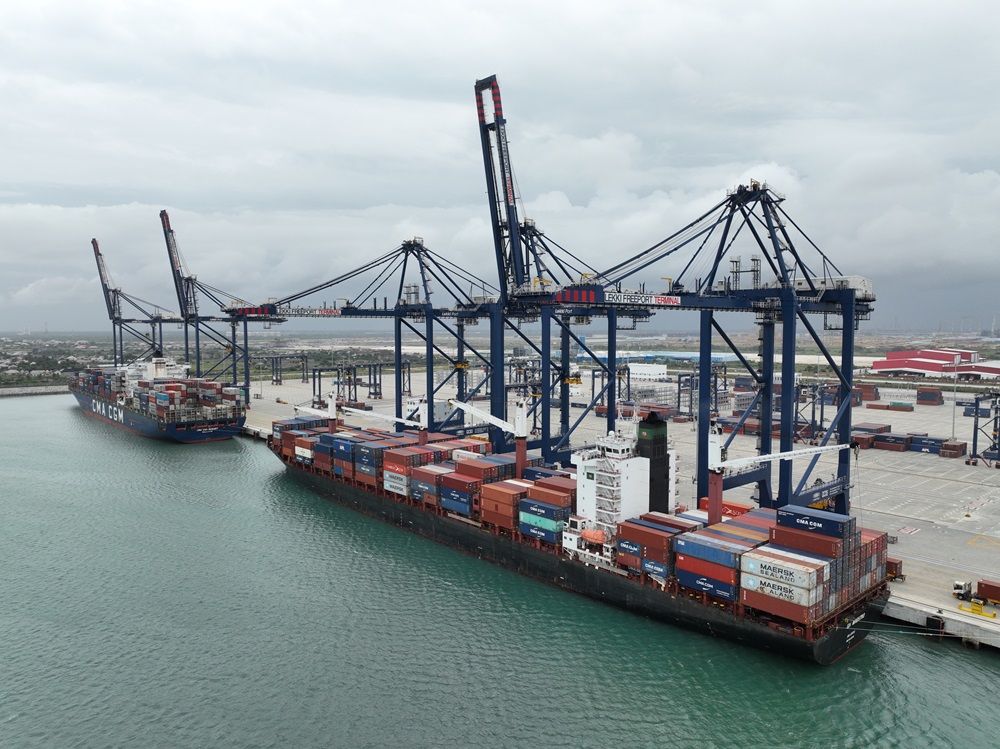
Nigeria’s Lekki Deep Sea Port represents a major shift in West African trade logistics. As one of the most modern ports in the region, it offers improved efficiency, deeper draft capacity, and faster vessel turnaround times. However, for importers and distributors, clearing goods at Lekki Port still requires careful planning, compliance, and coordination.
Understanding the clearance process, documentation requirements, and potential bottlenecks is critical for businesses involved in FMCG distribution, industrial supplies, manufacturing inputs, and wholesale trade.
This guide explains how clearing goods at Lekki Port works and how to streamline the process.
Understanding the Clearance Process at Lekki Port
Clearing imported goods in Nigeria involves regulatory compliance, customs documentation, inspections, and terminal handling procedures. While Lekki Port is designed for efficiency, it still operates within Nigeria’s broader customs framework.
The key stages typically include:
-
Form M processing and Pre-Arrival Assessment Report (PAAR)
-
Bill of Lading and shipping documentation submission
-
Customs declaration through the Nigeria Customs Service (NCS)
-
Payment of applicable duties and levies
-
Physical or scanner inspection (if required)
-
Terminal handling and cargo release
For companies unfamiliar with the process, delays can arise from incomplete documentation, valuation disputes, or compliance issues with regulatory agencies such as SON, NAFDAC, or NESREA.
Working with an experienced clearing and forwarding partner helps reduce these risks significantly.
Key Challenges When Clearing Goods at Lekki Port
Although Lekki Port is modern, importers may still face challenges such as:
Documentation Errors
Incorrect HS codes, undervaluation concerns, or mismatched paperwork can result in cargo being flagged for additional scrutiny.
Regulatory Bottlenecks
Certain goods—especially food products, pharmaceuticals, chemicals, and electronics—require approvals from specific government agencies. Delays in certification can slow down cargo release.
Duty and Tariff Disputes
Customs valuation disagreements can lead to reassessment and extended clearance timelines.
Logistics Coordination
Even after customs clearance, coordinating haulage, terminal handling charges, and inland transportation must be managed carefully to avoid demurrage and storage fees.
For importers operating on tight delivery schedules, these issues can disrupt supply chains and increase operational costs.
Best Practices for Efficient Cargo Clearance
Businesses involved in import/export, wholesale distribution, and manufacturing can adopt the following strategies:
1. Prepare Documentation Early
Ensure Form M, PAAR, commercial invoices, packing lists, and certificates of origin are accurate and consistent before the vessel arrives.
2. Use Accurate Product Classification
Correct HS code classification reduces the risk of disputes or reassessment. Engage professionals who understand Nigerian customs regulations.
3. Budget for All Associated Charges
Beyond import duty, factor in terminal handling charges, customs processing fees, shipping line charges, and inland haulage.
4. Partner With Experienced Clearing Agents
A knowledgeable clearing partner understands how clearing goods at Lekki Port differs from older ports such as Apapa or Tin Can Island. They can anticipate procedural nuances and handle compliance efficiently.
This is where working with a reputable trade and logistics company becomes valuable.
Why Lekki Port Matters for Importers
Lekki Deep Sea Port offers several structural advantages:
-
Ability to handle larger vessels
-
Reduced congestion compared to legacy ports
-
Improved container handling systems
-
Strategic access to the Lekki Free Trade Zone
For businesses importing in bulk—such as FMCG distributors, industrial suppliers, and agricultural commodity traders—these advantages can translate into faster turnaround times and potentially lower overall logistics costs.
However, the benefits are only realized when the clearance process is properly managed.
How Wigmore Trading Supports Importers
Wigmore Trading works with businesses across Nigeria and West Africa to simplify international trade and cargo handling. From sourcing products globally to managing import documentation and coordinating logistics, the company helps reduce friction in the supply chain.
When clearing goods at Lekki Port, Wigmore Trading can assist with:
-
Import documentation support
-
Customs coordination
-
Regulatory compliance guidance
-
Freight forwarding solutions
-
End-to-end supply chain management
For companies importing food products, raw materials, consumer goods, or industrial equipment, having a trusted partner ensures smoother port operations and reduced delays.
Rather than navigating customs procedures independently, businesses can rely on structured processes and experienced trade support.
Wigmore Trading can help.
Reducing Delays and Avoiding Costly Mistakes
Delays at port often result in demurrage charges, storage fees, and missed delivery commitments. Proactive communication with shipping lines, customs officials, and terminal operators is essential.
Importers should also maintain updated knowledge of:
-
Nigerian Customs Service regulations
-
Tariff schedules
-
Government agency requirements
-
Port operational updates
A professional trade partner stays informed about these changes, helping businesses remain compliant and competitive.
Final Thoughts
Clearing goods at Lekki Port offers significant opportunities for businesses looking to optimize their import operations in Nigeria. The port’s modern infrastructure provides a strong foundation for efficiency, but regulatory compliance and procedural accuracy remain critical.
By preparing documentation carefully, understanding tariff classifications, and partnering with experienced logistics professionals, importers can minimize risk and maintain consistent supply chains.
If your business is importing into Nigeria and needs structured, reliable support, get in touch with our team to learn more.
Contact Wigmore Trading today to streamline your sourcing and clearance operations.






Comments are closed.