
Bulk Buying Guide: Office Furniture Wholesale from China to Nigeria

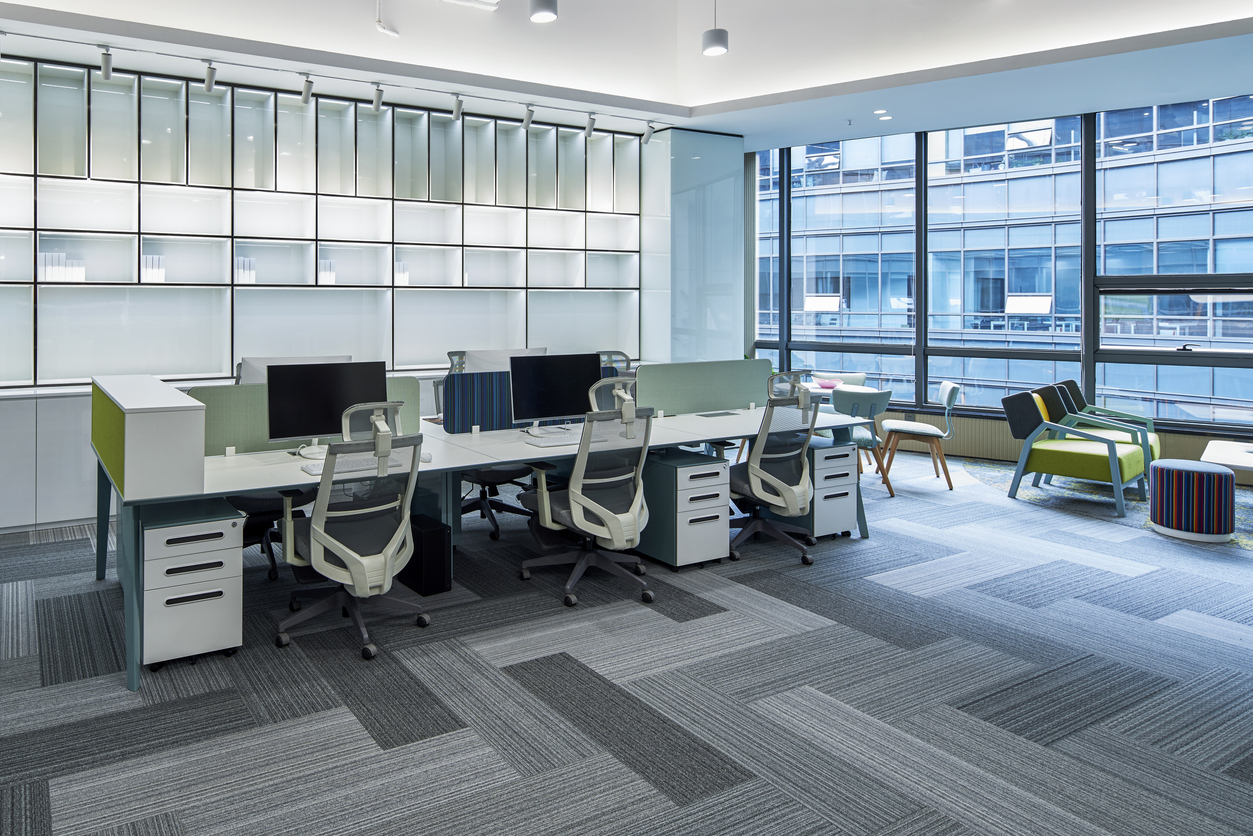
Sourcing office furniture wholesale from China to Nigeria has become an increasingly viable strategy for businesses, distributors, and project contractors seeking cost-effective and scalable supply solutions. As Nigeria’s commercial hubs expand and demand for modern office spaces rises, reliable sourcing channels are essential for meeting both price and quality expectations.
China remains one of the world’s largest manufacturers of office desks, ergonomic chairs, filing cabinets, workstations, and modular office systems. However, importing at scale requires structured procurement, compliance awareness, and efficient logistics coordination.
This guide outlines key considerations for businesses importing office furniture wholesale from China to Nigeria and how experienced trade partners can support the process.
Why Import Office Furniture Wholesale from China to Nigeria?
There are several strategic advantages to sourcing office furniture from China:
-
Competitive unit pricing due to large-scale manufacturing
-
Wide product variety across budget and premium segments
-
Customisation options for corporate branding or project needs
-
Established export infrastructure and production clusters
For Nigerian wholesalers, contractors, and corporate procurement teams, importing directly from manufacturers can significantly reduce acquisition costs compared to sourcing through intermediaries.
However, achieving cost savings depends on managing freight costs, regulatory requirements, supplier verification, and quality control.
Understanding Product Categories in Office Furniture Wholesale
When sourcing office furniture wholesale from China to Nigeria, buyers typically focus on the following categories:
-
Executive desks and conference tables
-
Ergonomic office chairs
-
Modular workstations
-
Filing cabinets and storage systems
-
Reception desks
-
Office partitions
Product specifications vary widely in materials, such as MDF, engineered wood, metal frames, laminated finishes, and mesh or leather seating. Importers must assess durability, warranty conditions, packaging standards, and assembly requirements before placing bulk orders.
Quality control inspections at the production stage are strongly recommended to avoid shipment delays or product defects upon arrival in Nigeria.
Regulatory and Compliance Requirements in Nigeria
Importing office furniture into Nigeria involves compliance with customs regulations and documentation standards. Importers must ensure:
-
Proper HS code classification
-
Accurate commercial invoices and packing lists
-
Bill of lading or airway bill
-
Compliance with SON (Standards Organisation of Nigeria) requirements where applicable
-
Pre-Arrival Assessment Report (PAAR)
Incorrect documentation can lead to delays, additional storage charges, or clearance complications at ports such as Apapa or Tin Can Island.
An experienced import and distribution partner can help coordinate documentation, customs brokerage, and regulatory compliance to ensure smoother entry into the Nigerian market.
Freight and Logistics Considerations
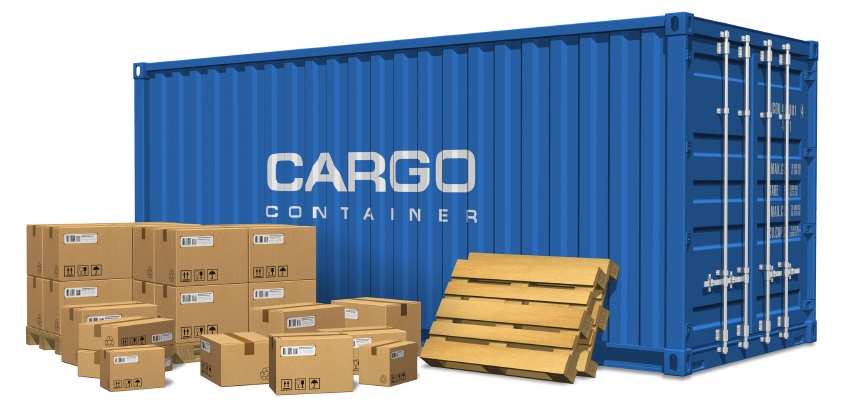
Shipping office furniture wholesale from China to Nigeria is typically done via sea freight due to the volume and weight of goods. Full Container Load (FCL) shipments are common for bulk orders, while Less than Container Load (LCL) may be suitable for smaller consignments.
Key logistics factors include:
-
Container optimisation to reduce freight cost per unit
-
Proper packaging to prevent transit damage
-
Insurance coverage
-
Port handling and inland transportation
Because office furniture often includes assembled or semi-assembled components, careful freight planning helps minimise breakage and unexpected handling costs.
Working with a logistics partner that understands both Chinese export processes and Nigerian port operations can significantly reduce delays and cost overruns.
Supplier Verification and Risk Management
One of the main challenges in office furniture wholesale from China to Nigeria is supplier verification. While China offers a vast supplier base, quality standards vary significantly.
Importers should:
-
Conduct factory audits or third-party inspections
-
Request product samples
-
Verify certifications and export history
-
Confirm production capacity for large projects
Payment terms also require careful negotiation. Many manufacturers request partial advance payment with the balance before shipment. Structured contracts and escrow arrangements can help reduce financial risk.
Businesses without in-house sourcing teams often benefit from working with trade specialists who can manage supplier identification, price negotiation, and quality checks on their behalf.
Distribution and Market Positioning in Nigeria
After successful importation, wholesalers must consider warehousing, distribution networks, and market segmentation.
Nigeria’s demand for office furniture is driven by:
-
Corporate offices
-
Government institutions
-
Educational facilities
-
Co-working spaces
-
Real estate developers
Competitive pricing, reliable stock availability, and after-sales support can differentiate distributors in a crowded market.
Effective supply chain planning ensures inventory turnover remains healthy while avoiding excessive warehousing costs.
How Wigmore Trading Supports Office Furniture Imports
Importing office furniture wholesale from China to Nigeria involves more than identifying a supplier. It requires coordination across sourcing, logistics, customs compliance, and local distribution.
Wigmore Trading supports businesses by assisting with:
-
Supplier sourcing and verification
-
Negotiation and procurement management
-
Freight coordination and shipping documentation
-
Customs clearance support
-
Warehousing and distribution solutions in Nigeria
By streamlining the supply chain, businesses can focus on sales and project execution rather than operational complexities.
Conclusion
Sourcing office furniture wholesale from China to Nigeria presents significant opportunities for wholesalers, contractors, and corporate buyers seeking competitive pricing and scalable supply. However, success depends on careful supplier selection, regulatory compliance, freight planning, and structured distribution.
With the right procurement and logistics strategy, businesses can reduce costs while maintaining quality and reliability in their supply chain.
Wigmore Trading can help.




Comments are closed.