
How to Start a Syringe Manufacturing Plant in Africa

Africa’s healthcare systems have expanded significantly in recent decades, driven by population growth, increased vaccination programs, and stronger investments in medical infrastructure. As demand for essential medical equipment rises, the need for reliable local manufacturing has become increasingly clear. One critical product in this category is the medical syringe.
Establishing a syringe manufacturing plant in Africa presents a major opportunity to strengthen healthcare supply chains, reduce import dependency, and improve access to vital medical tools across the continent. For healthcare providers, governments, and distributors, local production can help ensure a steady and cost-effective supply of sterile syringes for hospitals, clinics, and vaccination campaigns.
Companies involved in medical supply sourcing and distribution—such as Wigmore Trading—play an important role in helping healthcare organizations access quality products while supporting efficient logistics and procurement across African markets.
Growing Demand for Syringes Across Africa
The demand for syringes in Africa is driven by several key healthcare factors:
-
Expanded immunization programs
-
Rising hospital admissions and medical treatments
-
Increased focus on infection prevention
-
Population growth across urban and rural areas
Vaccination campaigns alone require millions of syringes annually. Large-scale public health initiatives for diseases such as polio, measles, and COVID-19 have highlighted the importance of reliable medical supply chains.
Historically, many African countries have relied heavily on imported syringes from Asia and Europe. While imports remain important, disruptions in global logistics or sudden spikes in demand can lead to shortages. This is one reason governments and healthcare stakeholders are exploring the development of syringe manufacturing plants in Africa to strengthen regional self-sufficiency.
Benefits of Local Syringe Manufacturing
Establishing manufacturing capacity within Africa offers several economic and healthcare advantages.
1. Improved Medical Supply Security
Local production reduces dependence on international suppliers and helps countries maintain steady access to essential medical equipment.
2. Faster Distribution
Manufacturing syringes within the region allows for shorter supply chains and faster delivery to hospitals, clinics, and pharmacies.
3. Lower Logistics Costs
Importing medical products often involves high shipping costs, customs delays, and regulatory complexity. Local production can reduce these costs and improve supply reliability.
4. Job Creation and Industrial Development
A syringe manufacturing plant in Africa contributes to local employment opportunities, technical skills development, and broader industrial growth within the pharmaceutical and healthcare sectors.
Key Components of a Syringe Manufacturing Plant
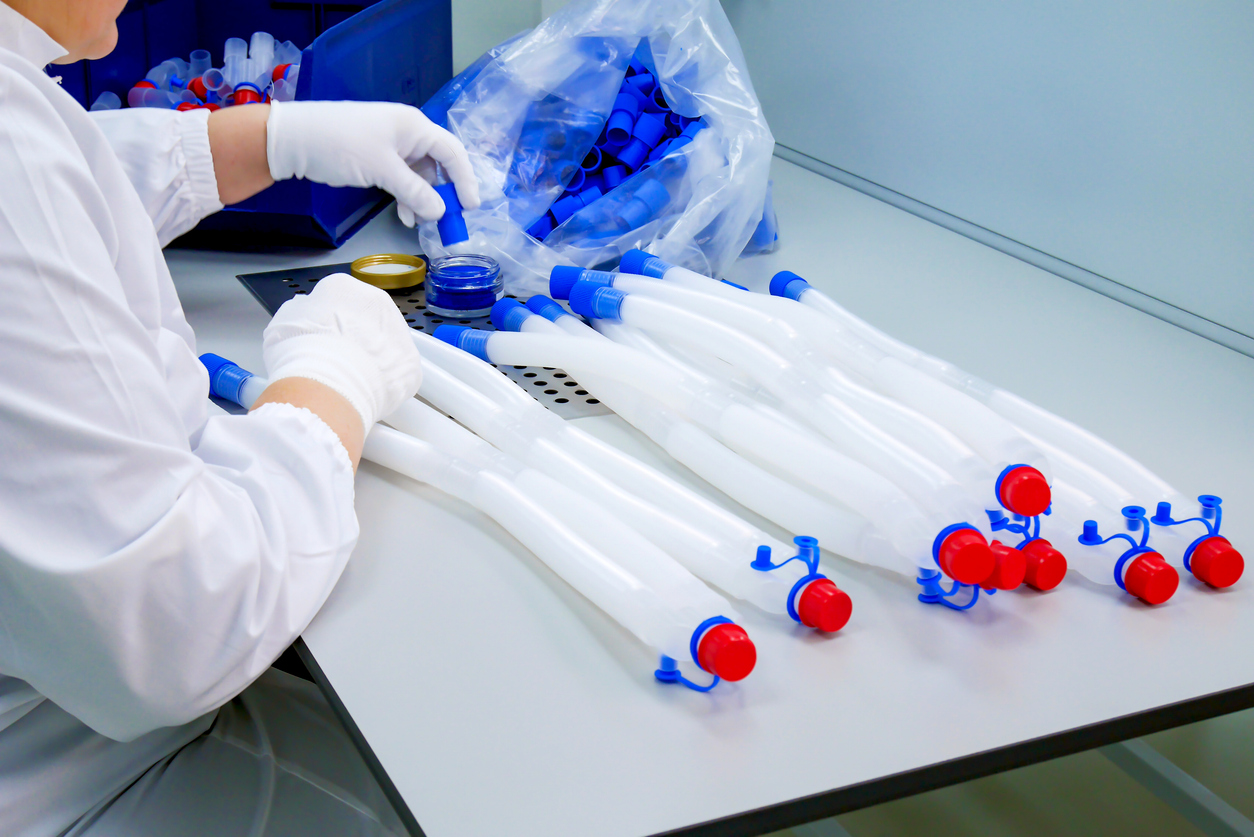
Setting up a medical device manufacturing facility requires specialized equipment, strict quality control processes, and compliance with international healthcare standards.
Typical production processes include:
-
Plastic injection molding for syringe barrels and plungers
-
Needle manufacturing and assembly
-
Sterilization using ethylene oxide or radiation
-
Automated packaging systems
-
Quality assurance and laboratory testing
Facilities must comply with global regulatory standards such as ISO certifications and Good Manufacturing Practices (GMP) to ensure safety and product reliability.
For healthcare distributors and procurement partners, sourcing from compliant manufacturers is essential to maintain product integrity and patient safety.
Challenges Facing Syringe Manufacturing in Africa
While the opportunity is significant, establishing and scaling medical manufacturing facilities in Africa comes with several challenges.
Infrastructure and Energy Reliability
Manufacturing plants require stable electricity, water supply, and industrial infrastructure. In some regions, inconsistent power supply can affect production capacity.
Regulatory Compliance
Medical devices are tightly regulated to ensure patient safety. Manufacturers must meet international quality standards and navigate national regulatory approval processes.
Supply Chain Management
Producing syringes involves sourcing specialized materials such as medical-grade plastics, stainless steel needles, and sterile packaging materials. Efficient logistics and supplier networks are critical.
Distribution Across Diverse Markets
Africa’s healthcare systems vary widely by country. Transport infrastructure, customs regulations, and distribution networks can create logistical complexity.
The Role of Strategic Supply Chain Partners
Efficient supply chains are essential for both manufacturers and healthcare providers. Distribution partners help ensure that medical supplies move quickly and safely from factories to hospitals and clinics.
Wigmore Trading supports healthcare procurement by helping organizations source reliable medical supplies and manage import, distribution, and logistics across African markets. By coordinating sourcing and supply chain operations, businesses can maintain consistent access to essential healthcare products.
In regions where local manufacturing is still developing, experienced trading and logistics partners can bridge supply gaps while new production capacity expands.
Future Outlook for Medical Manufacturing in Africa
The long-term outlook for syringe manufacturing plants in Africa is promising. Governments, development organizations, and private investors increasingly recognize the importance of building resilient healthcare supply chains within the continent.
Several trends are likely to support continued growth:
-
Expansion of local pharmaceutical manufacturing
-
Increased government incentives for medical device production
-
Regional trade agreements improving cross-border supply
-
Greater investment in healthcare infrastructure
As these developments continue, Africa has the potential to become not only a consumer of medical supplies but also a significant producer serving both domestic and international markets.
Conclusion
The establishment of a syringe manufacturing plant in Africa represents an important step toward strengthening healthcare systems, improving medical supply security, and supporting regional industrial development. Local production can reduce import dependence, lower costs, and improve the availability of critical medical equipment.
However, success depends on reliable infrastructure, regulatory compliance, efficient supply chains, and strong distribution networks.
Wigmore Trading can help organizations navigate sourcing, logistics, and supply chain management to ensure healthcare providers across Africa have consistent access to essential medical supplies.
Contact Wigmore Trading today to streamline your sourcing.




Comments are closed.