
Choosing the Best Industrial Maintenance Training in Nigeria for Your Workforce

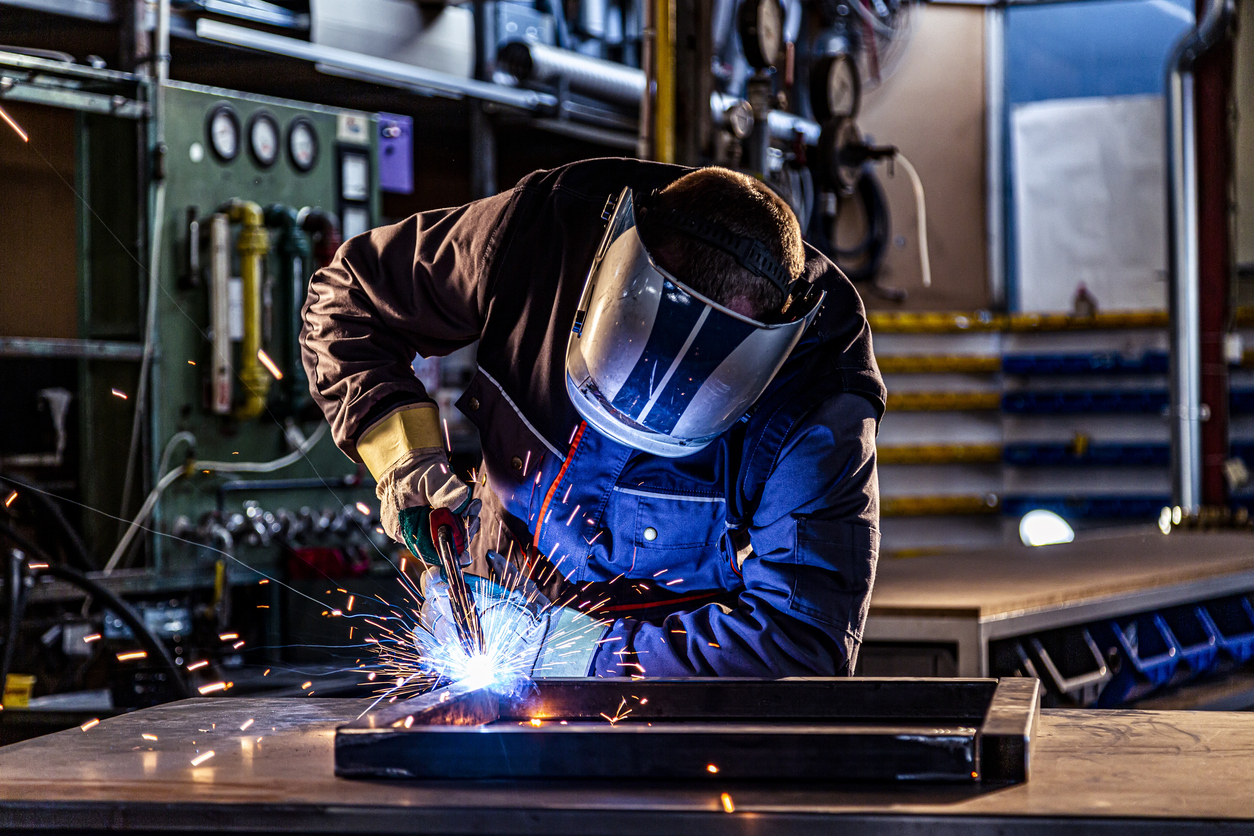
As Nigeria continues to expand its industrial and manufacturing sectors, the demand for skilled technical personnel has grown significantly. One critical area of focus is industrial maintenance training in Nigeria, which plays a key role in ensuring machinery efficiency, reducing downtime, and improving overall productivity.
From FMCG production lines to large-scale manufacturing plants and logistics operations, effective maintenance practices are essential for sustainable growth. Businesses that invest in training their workforce gain a competitive advantage by improving operational reliability and reducing costly disruptions.
Why Industrial Maintenance Training Matters
Industrial operations rely heavily on machinery and equipment. Without proper maintenance, even minor issues can escalate into major operational failures.
Key Benefits of Industrial Maintenance Training
- Reduced downtime: Skilled technicians can quickly diagnose and fix issues
- Extended equipment lifespan: Proper maintenance prevents premature wear
- Improved safety: Trained personnel reduce the risk of workplace accidents
- Cost efficiency: Preventive maintenance lowers repair and replacement costs
In Nigeria’s fast-growing industrial landscape, these benefits are essential for companies seeking to remain competitive both locally and internationally.
The Current Skills Gap in Nigeria
Despite industrial growth, many businesses face a shortage of adequately trained maintenance professionals. This gap is particularly evident in sectors such as:
- Manufacturing and FMCG
- Oil and gas
- Agriculture processing
- Warehousing and logistics
The lack of structured industrial maintenance training in Nigeria often results in reliance on reactive maintenance instead of preventive strategies. This leads to inefficiencies, increased operational costs, and delays in production and distribution.
Core Components of Industrial Maintenance Training
Effective training programmes in Nigeria typically focus on both theoretical knowledge and hands-on experience. Key areas include:
1. Mechanical Maintenance
Understanding machinery components, lubrication systems, and fault detection techniques.
2. Electrical Systems
Training on motors, control panels, and industrial wiring is essential for modern facilities.
3. Preventive and Predictive Maintenance
Learning how to identify issues before they cause breakdowns helps reduce operational risks.
4. Health and Safety Standards
Compliance with safety regulations ensures a secure working environment.
5. Equipment Diagnostics and Troubleshooting
Technicians are trained to quickly identify and resolve faults, minimising downtime.
By integrating these elements, businesses can build a workforce capable of maintaining high-performance operations.
Challenges Facing Industrial Maintenance Training in Nigeria
While the importance of training is widely recognised, several challenges remain:
Limited Access to Quality Training Facilities
Many training centres lack modern equipment, making it difficult for trainees to gain practical experience.
High Cost of Training Programmes
Some businesses, especially SMEs, struggle to invest in structured training initiatives.
Rapid Technological Changes
Industrial equipment is becoming increasingly advanced, requiring continuous skill upgrades.
Inconsistent Standards
Training quality can vary significantly, leading to gaps in competency across the workforce.
Practical Solutions for Businesses
To address these challenges, companies operating in Nigeria can adopt several strategies:
Invest in Continuous Training
Rather than one-time programmes, ongoing training ensures staff stay updated with evolving technologies.
Partner with Industry Experts
Collaborating with experienced organisations can improve training quality and relevance.
Implement Preventive Maintenance Systems
Structured maintenance schedules reduce reliance on reactive repairs.
Leverage Supply Chain Expertise
Working with partners who understand equipment sourcing and logistics can streamline operations.
This is where experienced firms like Wigmore Trading can play a supportive role. By assisting with sourcing high-quality equipment, managing supply chains, and ensuring timely delivery of industrial components, businesses can maintain consistent operations while focusing on workforce development.
The Role of Industrial Maintenance in Supply Chain Efficiency
Efficient maintenance practices have a direct impact on supply chain performance. In sectors such as FMCG and wholesale distribution, even minor delays can disrupt the entire value chain.
Key Impacts Include:
- Consistent production output
- Reliable delivery schedules
- Reduced inventory losses
- Improved customer satisfaction
Industrial maintenance training in Nigeria therefore contributes not only to operational efficiency but also to stronger, more resilient supply chains.
Opportunities for Growth in Nigeria
Nigeria’s industrial sector presents significant opportunities for businesses willing to invest in skills development.
With increasing demand for locally produced goods and improved infrastructure, companies that prioritise maintenance training will be better positioned to scale operations and meet market demands.
Additionally, as international trade expands, Nigerian businesses must meet global standards. Skilled maintenance teams are essential for ensuring compliance, quality control, and operational consistency.
Conclusion
Industrial maintenance training in Nigeria is a critical factor in driving productivity, reducing operational risks, and supporting long-term industrial growth. As industries continue to evolve, businesses must prioritise workforce development alongside equipment and infrastructure investments.
By addressing the current skills gap and adopting structured training programmes, companies can improve efficiency and build more resilient operations.
Wigmore Trading can support businesses through reliable sourcing, logistics coordination, and supply chain management solutions that complement effective maintenance strategies.
Contact Wigmore Trading today to streamline your sourcing.






Comments are closed.