
Navigating PDVSA Joint Ventures in International Oil Markets

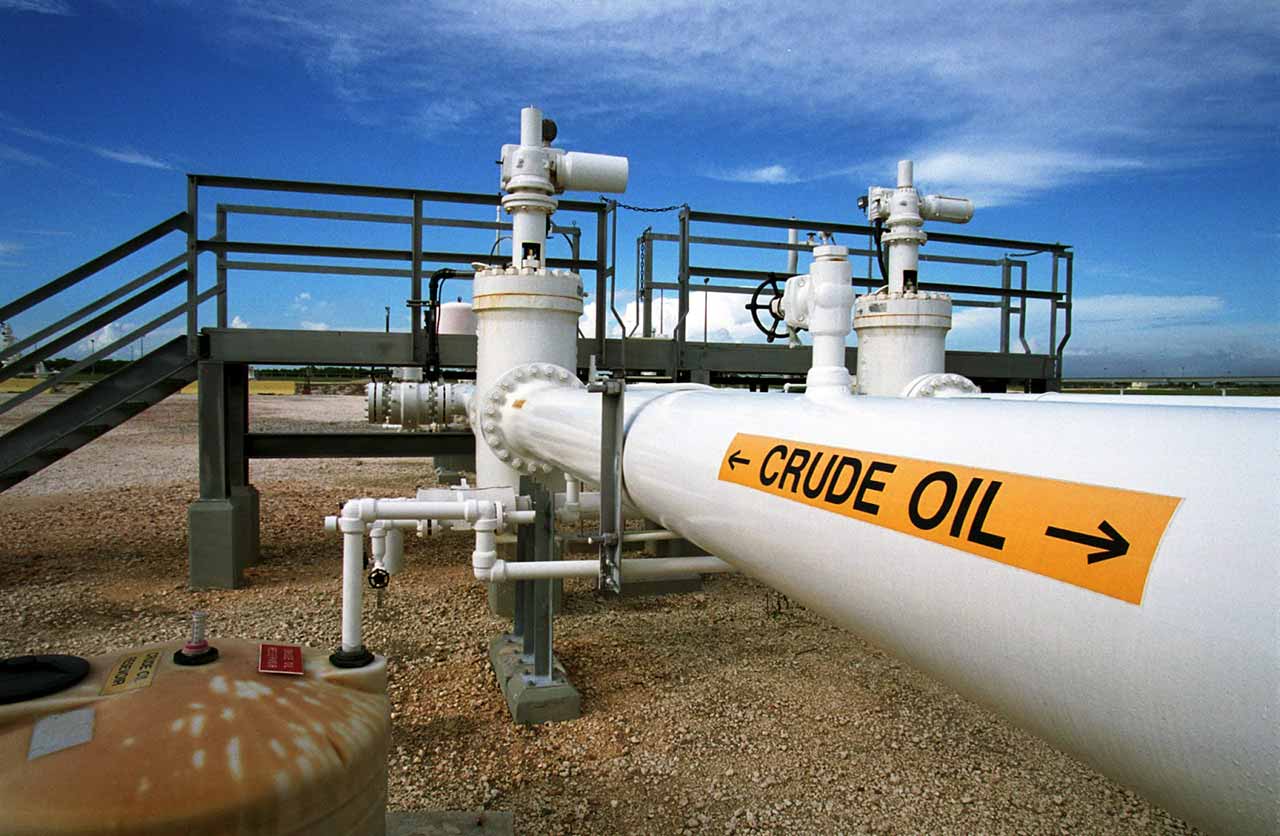
PDVSA joint ventures play a central role in Venezuela’s oil and gas sector, shaping how international companies engage with one of the world’s largest proven crude oil reserves. For businesses involved in energy trading, logistics, and supply chain management, understanding how these partnerships function is essential for navigating risk, compliance, and operational efficiency.
What Are PDVSA Joint Ventures?
PDVSA (Petróleos de Venezuela, S.A.) joint ventures are partnerships between Venezuela’s state-owned oil company and foreign or private entities. These ventures are typically established to explore, produce, refine, or export oil and gas resources.
Under Venezuelan law, PDVSA must hold a majority stake—often at least 60%—in these ventures. International partners contribute technical expertise, financing, and operational support, while PDVSA provides access to reserves and regulatory alignment.
These joint ventures are particularly common in the Orinoco Belt, one of the largest heavy crude oil deposits globally.
Why PDVSA Joint Ventures Matter in Global Trade
PDVSA joint ventures are not just domestic arrangements—they have significant implications for global energy supply chains.
- Supply Stability: They influence crude oil availability in international markets
- Trade Routes: They impact shipping logistics from Latin America to Africa, Europe, and Asia
- Pricing Dynamics: Production levels affect global oil prices
- Investment Flows: They attract or deter foreign direct investment depending on regulatory stability
For African importers and distributors, particularly in energy-dependent sectors, understanding these dynamics can inform sourcing strategies and risk management.
Key Challenges in PDVSA Joint Ventures
1. Regulatory and Sanctions Risk
One of the most pressing issues surrounding PDVSA joint ventures is exposure to international sanctions, particularly from the United States and the European Union. These restrictions can affect:
- Payment processing
- Shipping and insurance
- Access to international banking systems
Businesses engaging in trade linked to PDVSA must ensure strict compliance with evolving regulations.
2. Operational Inefficiencies
Aging infrastructure, limited investment, and technical constraints have affected production capacity in many joint ventures. This can lead to:
- Delayed shipments
- Inconsistent supply volumes
- Increased operational costs
3. Currency and Payment Complexity
Transactions involving PDVSA joint ventures often require alternative payment structures due to financial restrictions. This introduces additional complexity in contract negotiations and execution.
Opportunities for International Trade and Distribution
Despite challenges, PDVSA joint ventures still present opportunities for companies that can navigate the environment effectively.
Access to Large Oil Reserves
Venezuela holds some of the largest oil reserves globally. Joint ventures provide structured access to these resources, particularly for companies with the capacity to handle heavy crude.
Strategic Trade Partnerships
For African markets, there is growing interest in diversifying energy sources. PDVSA joint ventures can support:
- Bilateral trade agreements
- Long-term supply contracts
- Regional energy security initiatives
Logistics and Supply Chain Expansion
Handling crude oil and refined products from Venezuela requires robust logistics planning, including:
- Maritime freight coordination
- Storage and warehousing
- Customs and regulatory compliance
How Wigmore Trading Supports Energy Trade Operations
Navigating PDVSA joint ventures requires more than market knowledge—it demands reliable logistics, compliance expertise, and supply chain coordination.
Wigmore Trading supports businesses operating in complex international trade environments by offering:
- Sourcing and Procurement Support: Identifying reliable suppliers and structuring compliant transactions
- Logistics Management: Coordinating shipping, port handling, and inland distribution across Africa
- Regulatory Guidance: Assisting with documentation, customs clearance, and compliance requirements
- Supply Chain Optimization: Reducing delays and improving efficiency across import/export operations
For companies dealing with sensitive or high-risk markets, having a trusted partner helps mitigate operational disruptions and ensures continuity.
Risk Mitigation Strategies for Businesses
Companies engaging with PDVSA joint ventures should adopt structured risk management approaches:
- Conduct Due Diligence: Verify partners, ownership structures, and compliance status
- Monitor Sanctions Updates: Stay informed on regulatory changes affecting transactions
- Diversify Supply Chains: Avoid over-reliance on a single source or region
- Use Experienced Logistics Partners: Ensure smooth handling of complex shipments
These steps can help businesses maintain operational stability while exploring opportunities in emerging energy markets.
Conclusion
PDVSA joint ventures remain a critical component of the global oil and gas landscape, offering both opportunities and challenges for international traders. While regulatory risks and operational constraints require careful navigation, strategic partnerships and strong logistics support can unlock significant value.
For businesses in Africa and beyond, understanding the structure and implications of these joint ventures is essential for making informed sourcing and distribution decisions.
Wigmore Trading can help. Contact Wigmore Trading today to streamline your sourcing.



Comments are closed.