
How To Export Rubber From Nigeria: How A Professional Exports Rubber

How To Export Rubber From Nigeria: How A Professional Exports Rubber
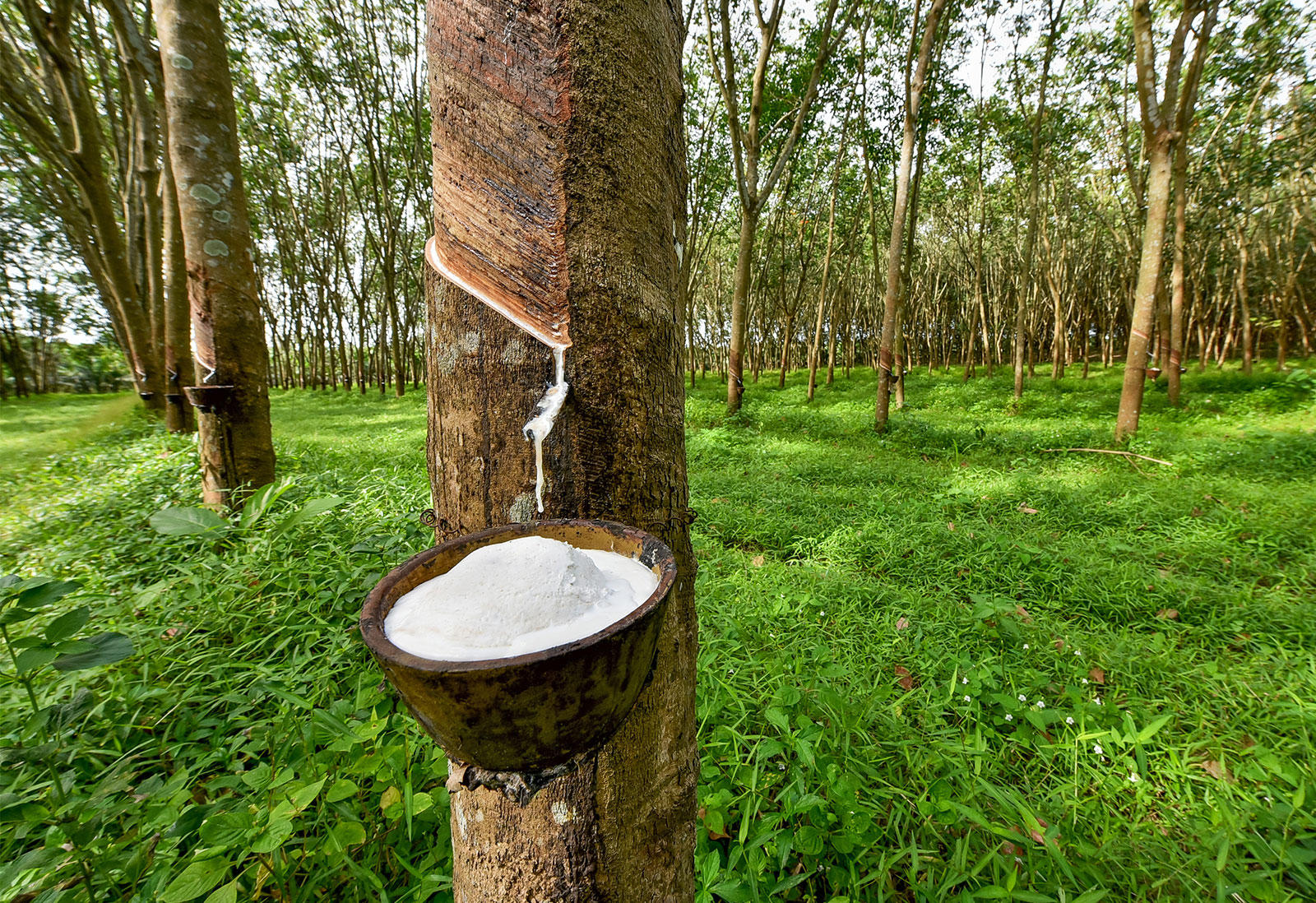
Nigeria is one of the world’s largest producers of natural rubber. The country has over 1.6 million hectares of land dedicated to the production of rubber, and it exports close to 20% of its crop annually.
Nigeria has always been a country known for exporting agricultural products like cocoa, cashews, and peanuts. But now rubber is also emerging as an important export commodity for the country.
This blog post will discuss how exporters should prepare themselves before they start exporting rubber from Nigeria. It will also include information on how to export rubber from Nigeria successfully.
Why is rubber important to Nigeria?
Rubber production is important to Nigeria for a number of reasons. Most importantly, rubber is a valuable export commodity for the country. This is because the country has one of the world’s largest rubber plantations.
Rubber production also has an impact on the lives of the people in Nigeria. The majority of people who harvest and process rubber are small-scale farmers and their families. Though they are not directly employed in the rubber industry, they rely on it for their livelihoods.
The need for rubber production in Nigeria is only going to grow in the coming years. This is because of a variety of factors: Nigeria’s population is growing, and natural rubber production relies on favorable weather conditions. Furthermore, demand for natural rubber is increasing worldwide.
For these reasons, we can expect Nigeria to continue to be a major exporter of natural rubber for years to come.
What are the advantages of exporting rubber from Nigeria?
If you are considering exporting rubber from Nigeria, there are many reasons to do so.
One of the main reasons is the high demand for natural rubber in the international market. Nigeria is one of the world’s top producers of natural rubber. It exports close to 20% of its crop annually.
There are also many potential buyers for natural rubber, which increases the chances of getting a good price for your product. Nigeria is also known for producing low-cost rubber, which can help you to get a higher return on your investment.
Nigeria has always been a country known for exporting agricultural products like cocoa, cashews, and peanuts. But now rubber is also emerging as an important export commodity for the country.
How to export rubber from Nigeria
Clearly, understanding how to export rubber from Nigeria is a big part of the process. There are many steps that need to be taken before rubber can be exported.
To begin with, you have to have a Certificate of Origin. This document will outline the specifications of your shipment. It will also identify the country that harvested the rubber.
Next, you need to have a Permit to Export Rubber. This is a document that outlines the quantity and quality of the shipment. It will include information about guarantees on the quality of the shipment, as well as the dimensions and weight of the shipment.
Once you have these two key documents in place, you can export rubber from Nigeria successfully. Keep in mind that there are many other processes you will need to go through to make your export successful. If you want to export rubber from Nigeria and import it into your country, this blog post is a good starting point.
Conclusion
The export of rubber from Nigeria is a lucrative business opportunity. With the right preparation and smart export strategies, you too can tap into the rapidly growing rubber market.


LEAVE A COMMENT
You must be logged in to post a comment.