

What’s the Process to Export Hydraulic Turbines from Nigeria?

What’s the Process to Export Hydraulic Turbines from Nigeria?7
Nigeria is Africa’s largest economy, and the second-largest in terms of population. In Nigeria, there’s a burgeoning oil and gas industry, which has led to a huge number of hydraulic turbines being exported from Nigeria. The process for exporting hydraulic turbines from Nigeria is broken down into four steps:
What is a hydraulic turbine?
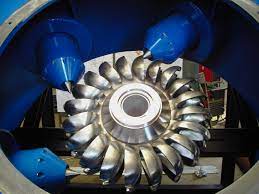
A hydraulic turbine is a machine that converts the kinetic energy of pressurized fluid into mechanical energy. A typical hydraulic turbine consists of two major components: a propeller-like turbine rotor and a diffuser. The rotor is built with a number of blades that are turned by the pressurized fluid. The blades are connected to the rotor hub, which contains the mechanism for rotating the blades. The diffusing component is where the fluid exits the turbine. The diffuser is responsible for slowing down the exiting fluid to match the speed of fluid entering the turbine.
The Process to Export Hydraulic Turbines from Nigeria
1) Export Permit: You need an export permit to export any items from Nigeria.
2) Clearance: Next, you’ll need to clear your items with the Nigerian Customs and Excise Service.
3) Export Tax: You’ll also need to pay export tax on any items before exporting them.
4) Shipping: Finally, you’ll ship your items from Nigeria.
What are the four steps of exporting hydraulic turbines from Nigeria?
Step One: The first step is to identify the hydraulic turbine and what type of exporting license is needed. The license for hydraulic turbines varies depending on the type of turbine, the size of the turbine, and the destination of the turbine.
Step Two: The second step is to draft a contract that will include the date of the consignment, destination, and details about the size and type of turbine.
Step Three: The third step is to determine your costs. This includes costs for transportation, handling, clearing agents, customs clearance, and insurance, among other things.
Step Four: The fourth step is to get a Nigerian export license. This process may take a while so it’s best to start early. Once you have your license, you can then proceed with export preparations.
Conclusion
The first step is to get an export license. Once you have the license, you can begin the process of exporting. You’ll want to find a freight forwarder, which should be relatively straightforward. Finally, you should arrange for insurance and other terms of export.




LEAVE A COMMENT
You must be logged in to post a comment.