

Current Pump Price of Petrol in Nigeria: August 2024 Update

Current Pump Price of Petrol in Nigeria: August 2024 Update
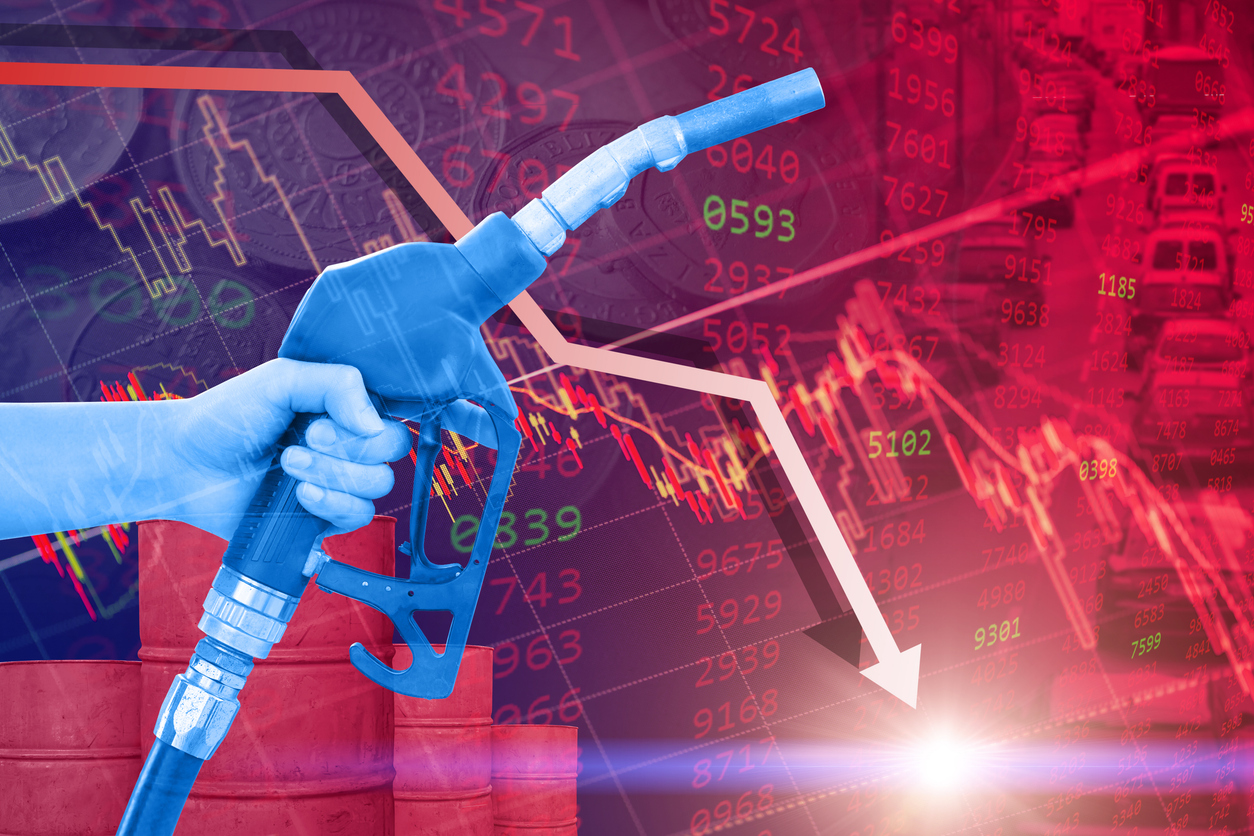
The pump price of petrol in Nigeria is a crucial economic indicator that affects various sectors, from transportation to goods and services. As of August 2024, the price of petrol in Nigeria has seen significant changes, largely influenced by global oil market dynamics, government policies, and domestic supply issues. This article provides an overview of the current petrol prices and the factors affecting them.
Current Pump Price
As of August 2024, the pump price of petrol in Nigeria is approximately ₦617 per liter. This price reflects recent adjustments in the market, driven by several key factors (Nigerian Price) (Punch Newspapers).
Factors Influencing Petrol Prices
1. Global Crude Oil Prices
The primary driver of petrol prices in Nigeria is the global crude oil market. Recently, crude oil prices have surpassed $80 per barrel, up from around $70 just weeks prior. This rise is a significant factor contributing to the increase in pump prices as the cost of importing refined petroleum products rises (Punch Newspapers).
2. Removal of Fuel Subsidy
In May 2023, President Bola Tinubu announced the removal of the petrol subsidy, a move aimed at freeing up government resources for other critical sectors. This policy change led to an immediate increase in petrol prices from ₦198 per liter to over ₦500, with further adjustments reflecting ongoing market conditions (Punch Newspapers).
3. Supply and Import Costs
Nigeria’s reliance on imported petrol, due to limited domestic refining capacity, means that fluctuations in shipping costs, import duties, and other logistical expenses directly impact local prices. The current price also factors in these logistical costs (Business Insider Africa).
4. Regional Variations
While the national average is set at ₦617, prices can vary across different states due to local taxes, distribution costs, and regional demand. In some areas, prices may range from ₦600 to ₦700 per liter (GlobalPetrolPrices.com).
Impact on the Economy
The rising pump prices have several implications for Nigeria’s economy:
- Increased Transportation Costs: Higher fuel prices translate to increased costs for public and private transportation, affecting commuters and businesses alike.
- Inflationary Pressures: The cost of goods and services may rise as businesses pass on increased transportation costs to consumers.
- Household Budgets: Families may face tighter budgets as a larger portion of income is spent on fuel, affecting disposable income and savings (Nigerian Price) (Punch Newspapers).
Government and Market Responses
The government and market stakeholders are monitoring the situation closely, with discussions around potential interventions or support measures for vulnerable populations affected by rising costs. Efforts to boost domestic refining capacity are also ongoing, aiming to reduce dependency on imports in the long term (Business Insider Africa) (GlobalPetrolPrices.com).
Conclusion
The pump price of petrol in Nigeria remains a dynamic issue influenced by global oil prices, domestic policies, and logistical factors. As prices stabilize at around ₦617 per liter, understanding these contributing factors is essential for stakeholders across the economy. Continuous monitoring and strategic policy decisions will be crucial in managing the impacts on Nigeria’s economy and its citizens.
For more information and updates on petrol prices, visit Global Petrol Prices and Punch News.





Comments are closed.