
How to Operate Heavy Equipment: A Comprehensive Guide for Beginners

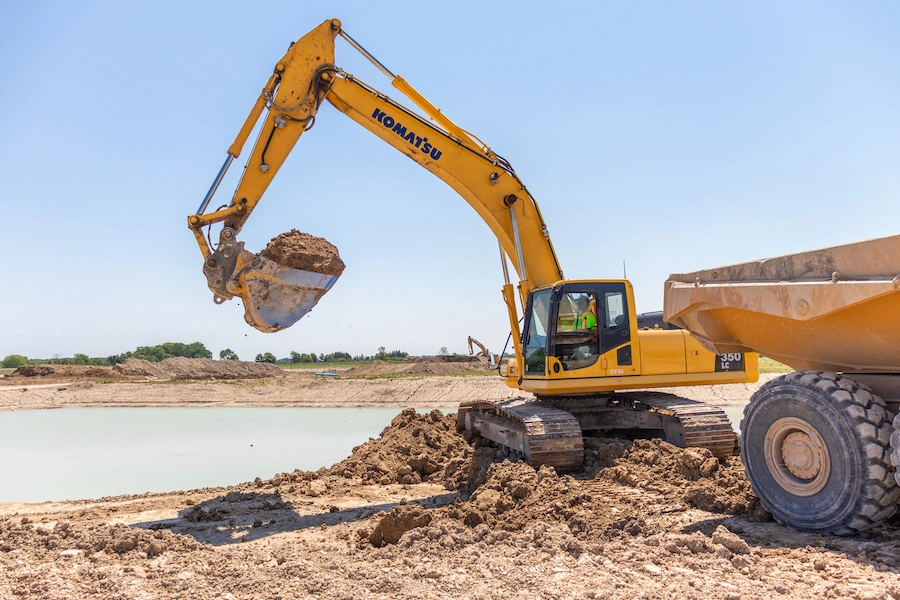
Operating heavy equipment is a vital skill in industries such as construction, mining, agriculture, and logistics. Whether you’re working with bulldozers, excavators, loaders, or cranes, understanding how to operate these machines safely and effectively is crucial for both productivity and safety on the job site. This guide provides an overview of the essential steps and considerations for beginners looking to learn how to operate heavy equipment.
Understanding Heavy Equipment
Heavy equipment refers to large machinery used in construction, agriculture, and other industrial sectors. These machines are designed to perform tasks such as earthmoving, lifting, grading, and excavation. Some of the most common types of heavy equipment include:
- Bulldozers: Used for pushing large quantities of soil, sand, or debris.
- Excavators: Used for digging and moving earth or other materials.
- Loaders: Used to load materials onto trucks or other vehicles.
- Cranes: Used for lifting and moving heavy objects vertically and horizontally.
- Graders: Used to create a flat surface during road construction or maintenance.
Steps to Operate Heavy Equipment
1. Get Proper Training
- Formal Training Programs: Enroll in a heavy equipment training program at a vocational school, community college, or specialized training center. These programs provide hands-on training with various types of machinery and teach you the fundamentals of equipment operation, safety procedures, and maintenance.
- On-the-Job Training: Some employers offer on-the-job training, where you learn under the supervision of experienced operators. This method allows you to gain practical experience while familiarizing yourself with specific equipment used by the company.
2. Learn the Controls
- Read the Operator’s Manual: Each piece of equipment comes with an operator’s manual that details the specific controls, functions, and safety features. Familiarize yourself with the manual to understand how to operate the machine correctly.
- Practice Basic Movements: Start with basic movements such as forward and reverse driving, lifting, lowering, and rotating the equipment. Practice in a controlled environment before working on a job site.
3. Safety First
- Wear Appropriate PPE: Always wear personal protective equipment (PPE) such as hard hats, safety glasses, gloves, and steel-toed boots when operating heavy machinery.
- Inspect the Equipment: Before starting the machine, perform a pre-operation inspection to check for any issues such as leaks, loose bolts, or damaged parts. Ensure that all safety features, such as seat belts and alarms, are functioning properly.
- Follow Safety Protocols: Adhere to all safety guidelines provided by your employer and the equipment manufacturer. This includes operating the machine at safe speeds, being aware of your surroundings, and keeping bystanders at a safe distance.
4. Practice Efficient Operation
- Control the Machine Smoothly: Operate the controls smoothly and avoid sudden movements that could cause the equipment to become unstable. Gradual movements ensure better control and reduce the risk of accidents.
- Manage Load Capacity: Always be aware of the machine’s load capacity and never exceed it. Overloading can cause the equipment to tip over or malfunction.
- Work in Layers: When excavating or grading, work in layers rather than attempting to move large amounts of material at once. This approach increases precision and reduces the strain on the machinery.
5. Perform Regular Maintenance
- Routine Checks: Perform routine maintenance checks, including oil levels, hydraulic fluids, and tire or track condition. Regular maintenance ensures the equipment operates efficiently and reduces the likelihood of breakdowns.
- Report Issues Immediately: If you notice any mechanical issues while operating the equipment, report them immediately to your supervisor. Promptly addressing problems can prevent accidents and costly repairs.
Key Tips for Beginners
- Start with Smaller Equipment: If you’re new to heavy machinery, begin with smaller equipment like mini excavators or skid-steer loaders. These machines are easier to handle and provide a good foundation for learning the basics.
- Seek Mentorship: Work alongside experienced operators who can provide valuable insights and tips on operating heavy equipment safely and efficiently.
- Stay Updated: Heavy equipment technology is constantly evolving, with new features and automation becoming more common. Stay updated with the latest advancements and continue to expand your skills.
Conclusion
Operating heavy equipment requires a combination of proper training, hands-on practice, and a strong focus on safety. By following these steps and continuously honing your skills, you can become a proficient heavy equipment operator and contribute to the success of your projects. Whether you’re looking to start a career in construction, mining, or agriculture, mastering the operation of heavy machinery opens up numerous opportunities in various industries.
At Wigmore Trading, we offer a wide range of heavy equipment for sale and lease, along with expert advice to help you choose the right machinery for your needs.
Get in Touch:
Interested in learning more about heavy equipment operation? Contact Wigmore Trading today for expert guidance and to explore our selection of heavy machinery. Visit our website, email, or call us for more information.






Comments are closed.