
How to Import Aluminium Plating into Nigeria.

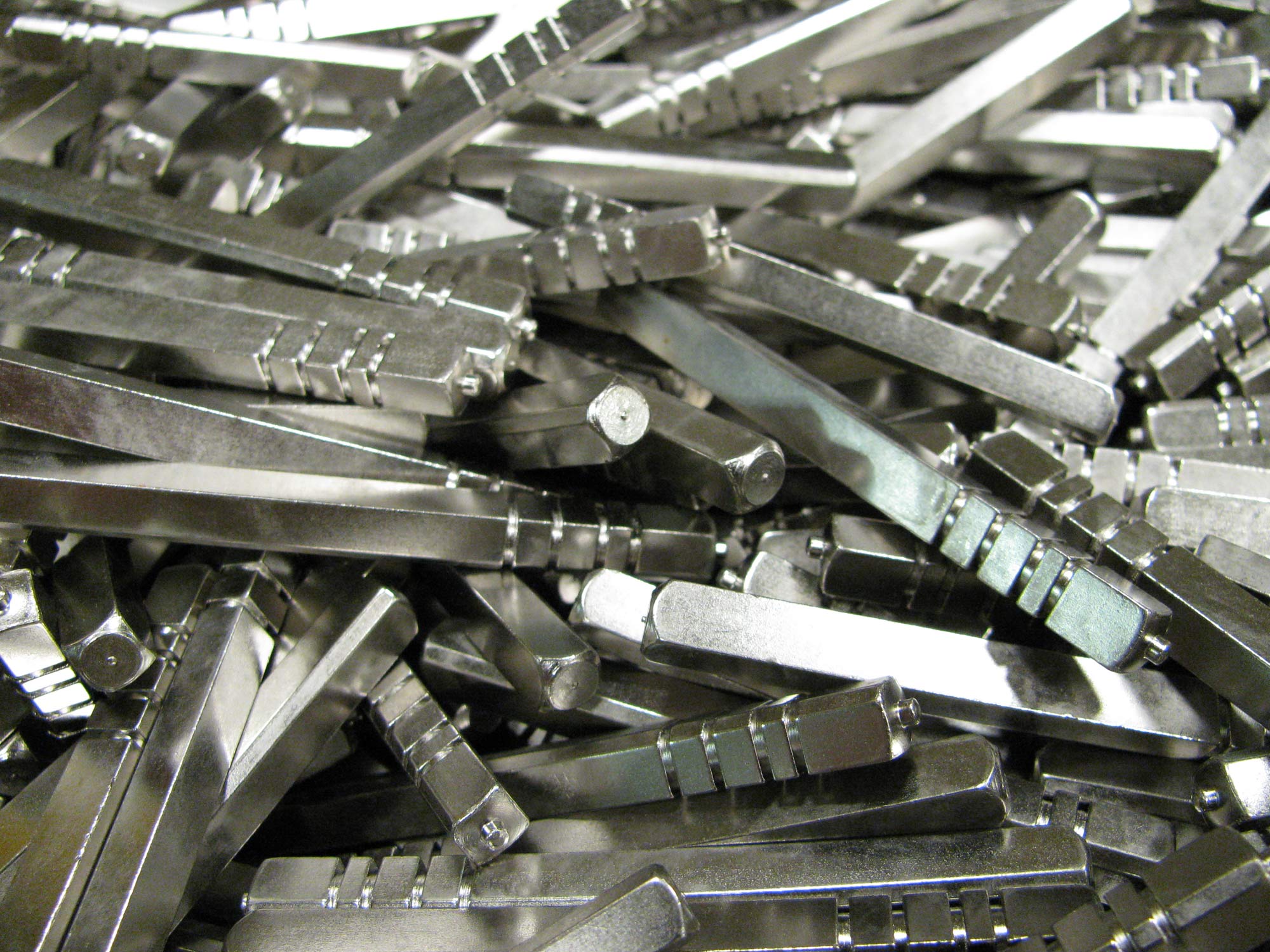
How to Import Aluminium Plating into Nigeria.
Imported products are a major part of Nigerian society and economy. There’s no denying the fact that some imported products are essential for day-to-day living. For example, if you’re reading this article on your mobile phone, then there is a high chance that it is imported. The question now remains, how do we import these goods into Nigeria?
The Nigerian government has set out to regulate imports of all products with an aim to protect the local industries and stimulate our economy. However, this system of regulation is still new and untested. It is important for Nigerians to understand how it works so that they can be mindful of the implications. This blog post will explore the ins-and-outs of importing aluminium plating into Nigeria.
Importing Products into Nigeria
In Nigeria, importing products is a major contributor to the Gross Domestic Product. In fact, it contributes about 40% of the GDP. In 2015, Nigerian imports were worth about US$75 billion.
Nigeria has a three-tier classification system for imported goods:
Free Trade Agreement (FTA) List – These are goods that have been classified as a free trade product and can be imported without restriction.
Tariff Rate Quotas (TRQs) – These are products that are limited by quantity under an agreement between countries or regional trade blocs like the European Union (EU).
Non-Tariff Barriers (NTBs) – These are products whose importation is restricted by other means than tariffs. They include Mandatory Import Licenses (MIL), Export Quotas (EQs), and Marking Requirements for Imported Products among others.
The Importance of Imported Goods
The Nigerian economy has been struggling for a few decades now. The lack of economic growth in the country is directly linked to our dependence on imported goods. In the year 2017, Nigerians spent a whopping $58 billion on imports.
As a result, Nigeria has had a tough time generating enough revenue to sustain its economy and provide for its population. A vast majority of the imported goods are processed before they enter the market. This is because we don’t have an adequate manufacturing sector to produce these goods locally.
It’s important that Nigerians know how the government regulates imports so that they can be mindful of any implications that may come up as a result. Understanding how imports work will help you make smarter decisions when shopping, especially if you’re looking for quality products with affordable prices.>>>END>>
How to import goods into Nigeria
Nigerian Customs Services has introduced the Import Order System (IOS) to regulate imports into Nigeria. Basically, it is an online system which you can use to order goods outside of Nigeria without having to go through any customs procedures.
The IOS will help Nigerian businesses import goods more efficiently by eliminating the need for laborious paperwork and bureaucratic delays. This is because it allows Nigerian importers to submit an application electronically. It also helps in avoiding mistakes that could lead to fines or shipments being incinerated.
The process of importing aluminium plating into Nigeria is relatively simple – just follow these steps:
1) Set up your account on the IOS website
2) Create a purchase order with the required information
3) Make payment for your order
4) Wait for confirmation email from IOS informing you that your order was successful
Understanding the Nigerian Regulatory System
In September 2018, the Nigerian government announced a new regulatory system to control imports of all goods with a view to protect Nigerian industries and stimulate our economy. The goal is to make sure that imported goods are in line with the country’s standards and don’t pose a risk to local industries.
The regulatory system is still new and untested, so there are some details that remain unclear. For example, no one knows when or how customs officials will enforce this law. In theory, Nigerians can import unlimited quantities of foreign goods into Nigeria without paying duty until the World Trade Organization (WTO) rules on Nigeria’s tariff regime. However, there are other implications for importing aluminium plating into Nigeria that you should be mindful of before doing so.
What is a General Sales License?
A General Sales License is a license that an importer must have in order to import goods into Nigeria. It is a temporary license that will enable the importer to import goods for a specified period of time.
A General Sales License can be obtained from 76 Commercial Quarters, Lagos, Nigeria. The application form for this license is available at the Nigerian Customs Service website or from your nearest Nigerian Customs Service office.
Importing aluminium plating into Nigeria may require a General Sales License for the following reasons:
1) If you are importing aluminium plating from China and it weighs more than three thousand kilograms.
2) If you are importing aluminium plating from any other non-African country and it weighs more than one thousand kilograms.
How does the Nigerian regulatory system work?
Importing aluminium plating into Nigeria is regulated by the Nigerian Bureau of Standards (NBS). The procedure for importing aluminium plates into Nigeria is as follows:
1. A buyer must first obtain a license from the Nigerian Bureau of Standards.
2. The next step is to fill out an import license application on their website, which takes about 5 minutes.
3. Once imported goods are available at the port, they must be cleared by NBS officials.
4. A fee will be charged for this clearance process and it will depend on the classification of the product being imported (e.g., per metric tonne or per kilogram).
5. If you’re importing more than one item with different statistics, then you’ll need to pay different fees for each item classified during clearance processing at the port—for example, if you’re importing 100kg of rice and 10kg of pulses then your fees would be calculated separately depending on how each product is classified (i.e., pulse container 3kg/container with rice container 5kg/container).
6. After clearance has been completed, payment can be made at any bank within Nigeria or online through an e-payment portal provided by NBS based
Conclusion
Nigeria takes pride in being a manufacturing hub of the African continent, but imports are still a big part of the Nigerian economy. The country imports more than $13 billion worth of goods annually.
Nigerian regulatory systems are meant to incentivize local production while protecting local industry. Goods imported into Nigeria are subject to the Value Added Tax (VAT) which is charged at the point of entry. All goods must have a General Sales License (GSL) which is granted by the Department of Trade and Investment (DOTI) in order to be legally imported.






LEAVE A COMMENT
You must be logged in to post a comment.