
Impact of Latest U.S. Tariffs on International Companies: What Global Traders Need to Know

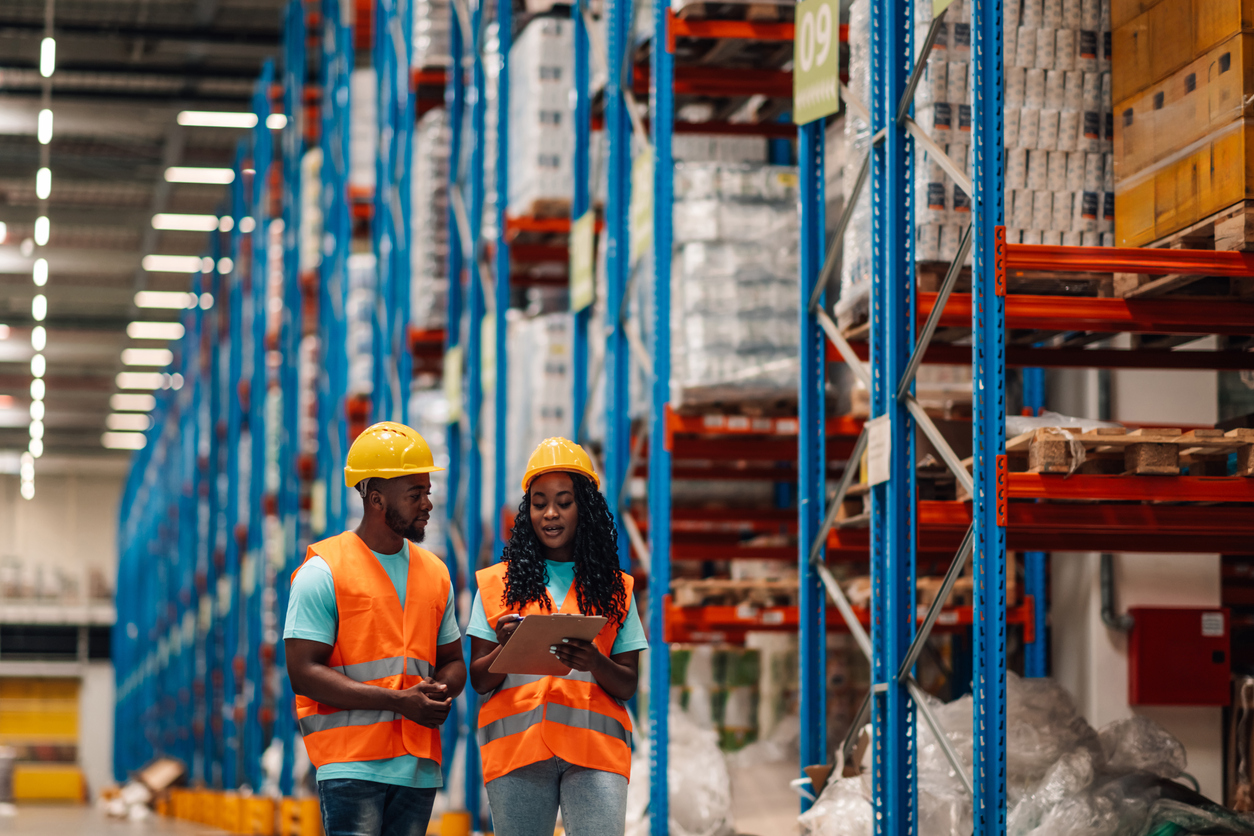
The recent wave of U.S. tariffs has sent ripples across global supply chains, affecting international companies from Asia to Europe and reshaping trade strategy in 2025. With newly imposed duties on imports ranging from semiconductors and automotive parts to consumer electronics and low-value e-commerce items, the impact is being felt across manufacturing, retail, and logistics sectors.
For companies that depend on cross-border trade and lean global supply chains, the U.S. tariff shifts demand swift adaptation — and for many, a rethink of market access strategies, sourcing models, and pricing frameworks.
🔍 What’s Changing Under the Latest U.S. Tariff Rules?
The latest measures, introduced in mid-2025, include:
-
📦 10–100% import tariffs on selected product categories
-
🚫 Termination of the de minimis exemption for low-value goods (<$800), now subject to standard customs duties
-
🖥️ 100% tariffs on semiconductors from companies without U.S. manufacturing facilities
-
🚗 Preferential tariff cuts for Japanese automakers, creating new cost imbalances for competitors
These developments affect companies shipping to or operating in the U.S., especially those in tech, electronics, automotive, fashion, and FMCG sectors.
💼 Impact on International Businesses
1. Rising Costs and Shrinking Margins
International exporters now face higher landed costs. With tariffs slashing profit margins or triggering price hikes, both manufacturers and distributors are under pressure to renegotiate terms or absorb losses.
2. Disrupted E-commerce Logistics
Small businesses relying on direct shipping to U.S. consumers now face duty charges and increased customs scrutiny, making fulfillment costlier and slower. E-commerce brands using platforms like Shein and Temu are adapting quickly; smaller vendors risk exclusion.
3. Legal and Regulatory Uncertainty
Several U.S. courts have ruled aspects of the tariff regime unlawful, but appeals are ongoing. This creates a legal grey area, particularly for importers seeking tariff refunds or clarification on product classifications.
4. Strategic Repositioning of Supply Chains
Businesses are now exploring nearshoring, friendshoring, and dual sourcing models to reduce tariff exposure. Southeast Asia, Eastern Europe, and even parts of Africa are emerging as strategic alternatives for sourcing and assembly.
🌍 Which Companies Are Most Affected?
Industries under pressure include:
-
Semiconductor manufacturers (particularly in China, Taiwan, and Korea)
-
European automotive exporters (especially German and Korean brands)
-
E-commerce retailers shipping directly from Asia
-
Consumer electronics and smart device producers
-
Low-value apparel and household goods exporters
Global companies with a high dependency on U.S. retail markets are now evaluating their trade routes, partner networks, and product pricing structures.
🧩 How Wigmore Trading Can Help
At Wigmore Trading, we support businesses impacted by shifting trade policies and regulatory barriers. With experience in multi-country sourcing, customs navigation, and export logistics, we help clients:
✅ Explore alternative sourcing hubs across West Africa and Asia
✅ Understand tariff codes and regulatory classifications
✅ Navigate customs clearance and documentation for re-export or redistribution
✅ Leverage emerging markets to reduce dependence on single-country trade channels
Whether you’re a manufacturer, distributor, or brand owner affected by the U.S. tariffs, Wigmore Trading can help realign your strategy with lower-risk, cost-effective trade alternatives.
📌 Action Points for Affected Businesses
-
Reevaluate U.S.-bound product lines and profitability
-
Diversify sourcing and final assembly to tariff-neutral countries
-
Review logistics contracts for tariff-related surcharge clauses
-
Consult trade barrier specialists to mitigate compliance risks
-
Monitor legal developments around IEEPA-based tariffs and potential refund eligibility
Final Thoughts: Adapt Now to Stay Competitive
Tariffs are no longer just policy instruments — they’re strategic business risks. For companies navigating the post-globalization supply chain environment, proactive planning and regional diversification are no longer optional.
If you’re concerned about how the latest U.S. tariffs impact your trade strategy, or if you’re looking for low-tariff sourcing opportunities in Africa or the Middle East, Wigmore Trading is ready to assist.
📧 Get in touch today to schedule a consultation and explore new sourcing and trade routes tailored to your needs.






Comments are closed.