
How to Source from Garment Factories in Nigeria for Wholesale and Retail

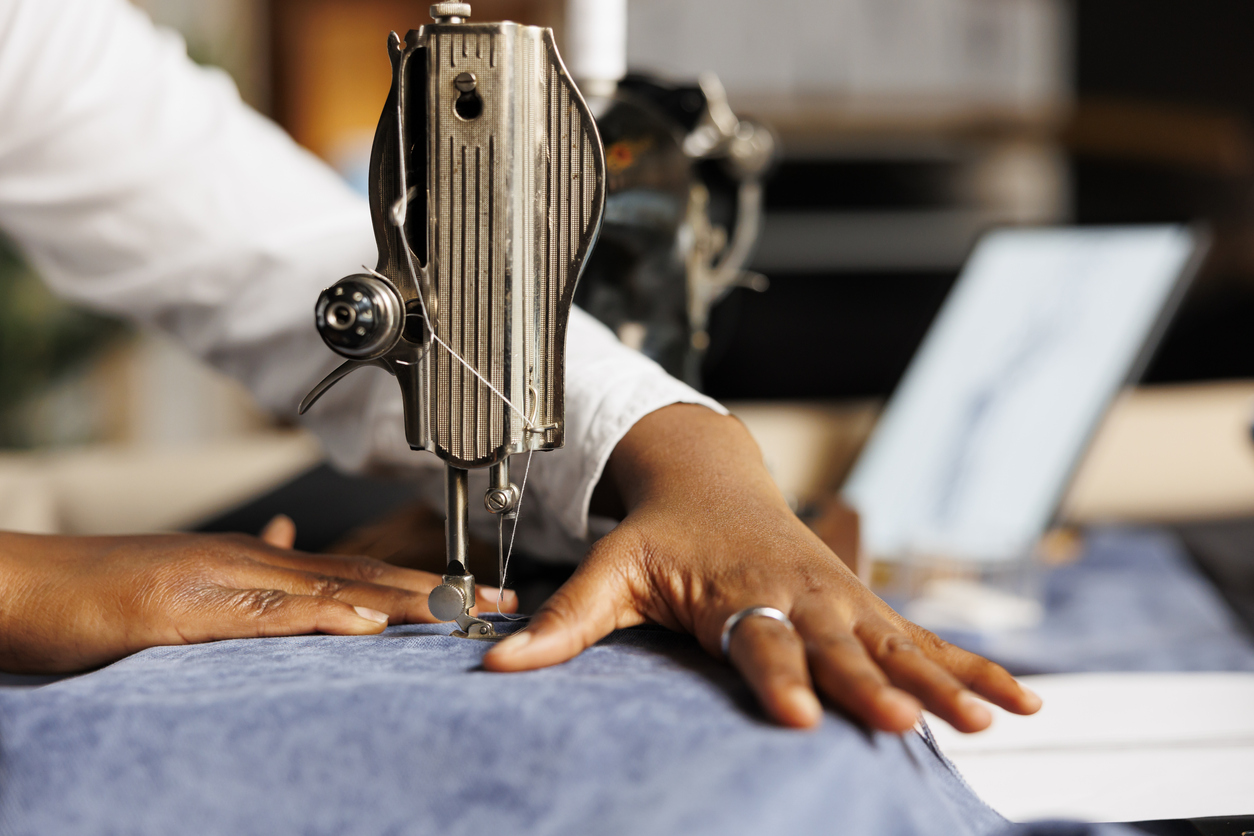
The garment industry in Nigeria is growing rapidly, fueled by increasing consumer demand, a youthful population, and rising interest in locally produced clothing. For importers, wholesalers, and distributors, understanding the role of garment factories in Nigeria is essential for tapping into this thriving market. Wigmore Trading works directly with local manufacturers to simplify sourcing, streamline logistics, and connect businesses with reliable suppliers in the apparel sector.
The Growing Role of Garment Factories in Nigeria
Nigeria’s fashion and textile market is one of the largest in Africa. From casual wear to corporate uniforms, garment factories across Lagos, Aba, and Kano are producing quality clothing that meets both domestic and international demand. These factories are not just serving the local retail market; many are increasingly looking toward export opportunities.
For businesses, this creates a dual advantage—access to affordable, locally made apparel and the ability to diversify product offerings in global markets.
Key Strengths of Nigerian Garment Factories
-
Skilled Workforce
With a strong tailoring tradition, garment workers in Nigeria combine craftsmanship with modern production methods, creating a wide range of apparel options. -
Competitive Pricing
Compared to many Asian producers, Nigerian garment factories can deliver products at cost-effective rates, especially when considering reduced shipping costs for regional buyers. -
Custom Production
Many factories specialize in uniforms, branded apparel, and private-label clothing, offering flexibility for wholesalers and businesses seeking custom designs.
Challenges and Practical Solutions
Like many emerging industries, the garment sector in Nigeria faces challenges such as inconsistent power supply, limited access to raw materials, and logistical bottlenecks. However, solutions are increasingly available:
-
Partnership with experienced distributors: Companies like Wigmore Trading help bridge the gap by ensuring timely sourcing, quality checks, and smooth import/export processes.
-
Reliable logistics networks: Wigmore Trading leverages its established supply chain channels to overcome transportation and customs delays.
-
Bulk sourcing advantages: By consolidating orders, Wigmore Trading helps clients reduce costs and achieve better pricing from garment factories.
Why Work with Wigmore Trading?
At Wigmore Trading, we understand the complexities of sourcing from garment factories in Nigeria. Our services include:
-
Direct access to trusted garment manufacturers.
-
Quality assurance and compliance checks.
-
Efficient logistics and cross-border distribution.
-
Support for wholesalers, retailers, and businesses across Africa and beyond.
Whether you need uniforms, casual wear, or custom-designed apparel, Wigmore Trading can streamline your sourcing process and ensure your supply chain runs smoothly.
Final Thoughts
Nigeria’s garment factories represent a significant opportunity for businesses in the fashion and retail sectors. With the right support, importers and distributors can overcome the challenges and take advantage of competitive pricing, skilled production, and regional trade potential. Wigmore Trading is here to guide you every step of the way.
Contact Wigmore Trading today to explore garment sourcing opportunities in Nigeria.





Comments are closed.