

How UK Business can Reduce China Dependence: Practical Strategies for 2025

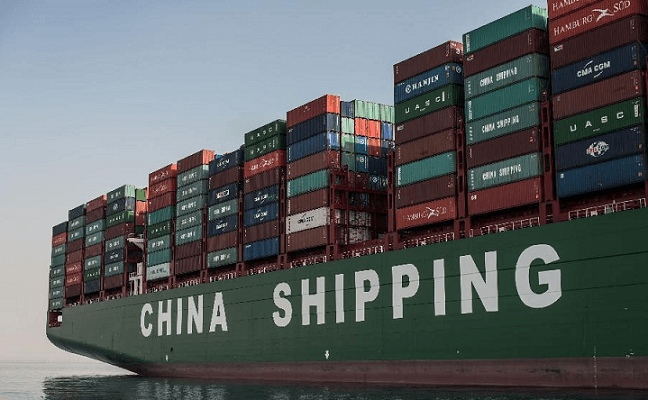
In recent years, UK businesses have faced growing challenges in their supply chains due to global disruptions, rising costs, and geopolitical tensions. For companies heavily reliant on Chinese manufacturing and imports, the need to diversify sourcing and reduce dependency has never been more pressing. Understanding how UK business reduce China dependence is now a key strategy for maintaining competitiveness, reliability, and long-term growth.
Wigmore Trading works closely with businesses across sectors like FMCG, import/export, and wholesale distribution to provide practical guidance on diversifying sourcing and mitigating supply chain risks.
Key Reasons UK Business Reduce China Dependence
China has long been a dominant player in global manufacturing, offering competitive pricing and scale. Yet, many UK businesses are actively seeking alternatives. Key reasons for this shift include:
-
Supply Chain Disruptions: Port congestion, shipping delays, and unexpected factory shutdowns can impact product availability.
-
Geopolitical Risks: Trade tensions and tariffs create uncertainty and increase costs.
-
Rising Costs: Labor and production expenses in China are steadily increasing, making alternative sourcing more attractive.
-
Evolving Consumer Expectations: Customers increasingly demand faster delivery, sustainable sourcing, and transparent supply chains.
Recognizing these factors is critical for UK businesses aiming to reduce China dependence while maintaining efficiency and competitiveness.
Effective Strategies for UK Businesses Reducing China Dependence
1. Diversify Suppliers Across Regions
One of the most effective ways UK business reduce China dependence is by sourcing products from multiple countries. Countries like Vietnam, India, Bangladesh, and Turkey offer competitive manufacturing options for textiles, electronics, and FMCG products. Diversifying suppliers:
-
Reduces the impact of disruptions in any one country.
-
Offers flexibility in production volume and timelines.
-
Provides opportunities for cost optimization.
Wigmore Trading can assist in identifying reliable alternative suppliers and negotiating favorable terms.
2. Invest in Local Manufacturing and Nearshoring
Another approach UK business reduce China dependence is by investing in local or regional production. Nearshoring—moving production closer to the UK—helps businesses:
-
Reduce shipping times and costs.
-
Respond faster to market changes.
-
Ensure better quality control and compliance with UK regulations.
For example, partnering with manufacturers in Eastern Europe can balance cost efficiency with supply chain stability.
3. Strengthen Supplier Relationships
Maintaining strong relationships with suppliers, both in China and other countries, is key. UK business reduce China dependence effectively when they:
-
Build long-term contracts with performance incentives.
-
Maintain open communication about forecasts and production schedules.
-
Develop contingency plans for urgent requirements.
These strategies minimize risks and create a reliable network of global suppliers.
4. Leverage Technology for Supply Chain Visibility
Digital tools allow businesses to track shipments, monitor supplier performance, and forecast demand. By adopting supply chain management platforms, UK business reduce China dependence while:
-
Gaining real-time insights on delays or bottlenecks.
-
Making informed sourcing decisions.
-
Optimizing inventory and reducing waste.
Wigmore Trading supports businesses in integrating these solutions, ensuring efficiency across all supply chain stages.
5. Explore Strategic Partnerships
Forming strategic partnerships or joint ventures with overseas manufacturers helps UK businesses reduce reliance on any single market. Collaborations allow:
-
Shared investment in production and logistics.
-
Access to innovative technologies.
-
Risk-sharing for large-scale operations.
This approach is particularly valuable for companies in high-demand industries, such as electronics or consumer goods.
Practical Challenges and Solutions
While these strategies offer clear benefits, implementation can be complex. Common challenges include:
-
Higher Initial Costs: Diversifying suppliers may require upfront investment.
-
Quality Control: New suppliers may not meet expected standards.
-
Logistical Complexity: Managing multiple suppliers across regions can be challenging.
Solutions include phased diversification, pilot projects, and leveraging experienced consultants like Wigmore Trading, who can guide sourcing, logistics, and supplier management.
Summary
As UK businesses face increasing pressure to reduce China dependence, strategic planning, supplier diversification, and adoption of innovative technologies are essential. By exploring alternative markets, nearshoring, and strategic partnerships, companies can safeguard their supply chains and maintain competitiveness.
Wigmore Trading can help UK businesses navigate these challenges, identify reliable suppliers, and optimize sourcing strategies. Contact Wigmore Trading today to streamline your sourcing and strengthen your supply chain resilience.






Comments are closed.