
Cedi Stronger Than Naira 2025: What It Means for African Trade and Business

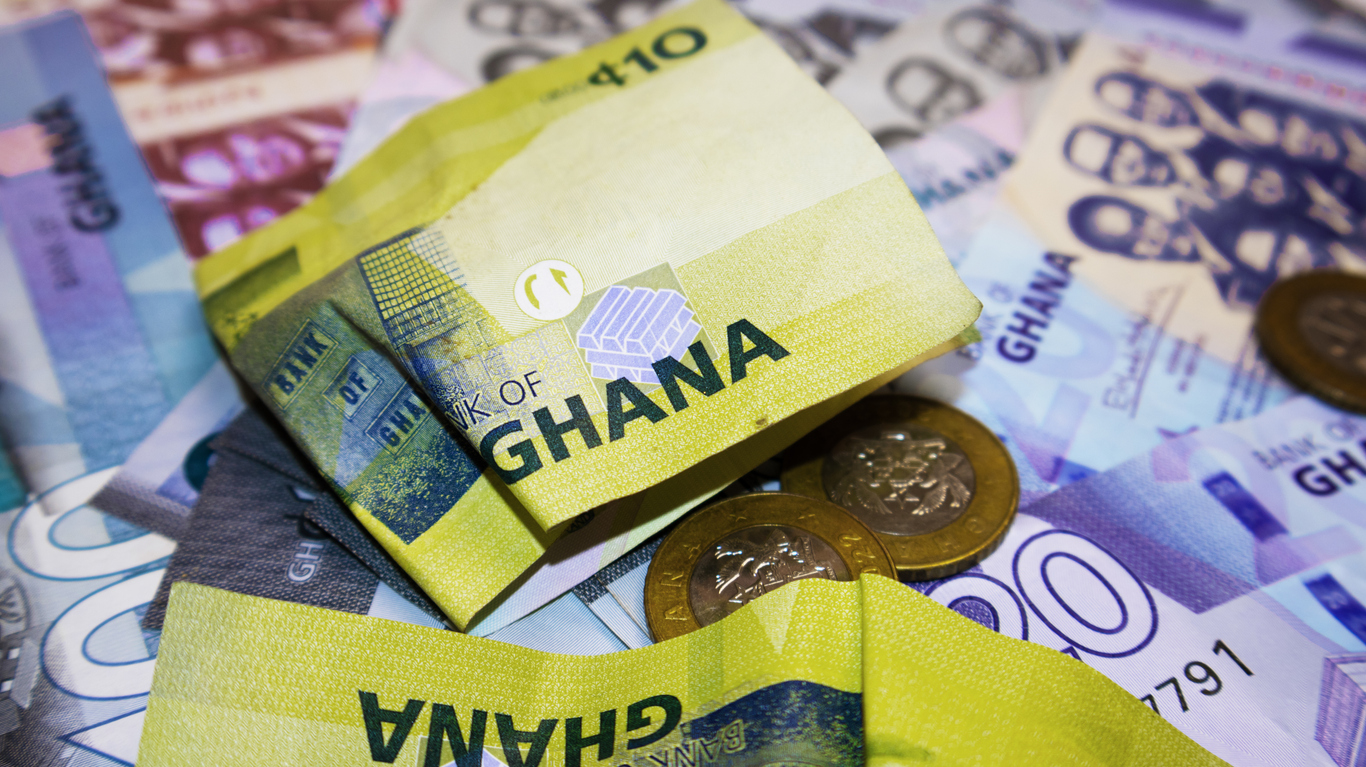
In 2025, one of the most discussed economic shifts in West Africa is the strengthening of the Ghanaian cedi against the Nigerian naira. For businesses involved in import/export, wholesale distribution, FMCG, and logistics, the value of these currencies has a direct impact on trade decisions, profit margins, and long-term partnerships. Understanding why the cedi is stronger than the naira in 2025 and how this affects trade is critical for companies sourcing goods across African markets.
Why Is the Cedi Stronger Than the Naira in 2025?
The fact that the cedi is stronger than the naira in 2025 is driven by several key economic factors:
-
Stable Ghanaian Monetary Policy: Ghana’s government has maintained tighter fiscal discipline and implemented reforms to stabilize inflation.
-
Oil and Commodity Prices: Nigeria, heavily reliant on oil exports, has been more vulnerable to global price fluctuations. This has weakened the naira relative to the cedi.
-
Diversified Ghanaian Economy: Ghana’s growing gold, cocoa, and service sectors have helped the cedi hold its value compared to Nigeria’s oil-dependent economy.
For businesses trading across West Africa, this difference means importers and exporters must reassess sourcing costs and profit margins carefully.
Cedi Stronger Than Naira 2025: Impact on Imports and Exports
When the cedi is stronger than the naira in 2025, the balance of trade shifts:
-
Ghanaian Export Advantage: Ghanaian exporters can sell to Nigeria at more competitive rates, as their stronger currency translates into greater purchasing power.
-
Nigerian Importers Face Higher Costs: Nigerian businesses importing goods from Ghana may find prices more expensive due to the weaker naira.
-
Cross-Border Logistics Adjustments: Transporters and logistics providers must calculate exchange rate risks more carefully to ensure profitability.
For companies like those in FMCG and wholesale distribution, this means price negotiations, supplier contracts, and delivery timelines must be reviewed with currency fluctuations in mind.
Wholesale Distribution and FMCG: Navigating Cedi vs. Naira
In wholesale distribution and FMCG, where margins are already tight, the reality that the cedi is stronger than the naira in 2025 presents both opportunities and risks:
-
Opportunities for Ghanaian Suppliers: Stronger cedi means Ghana-based producers of consumer goods can negotiate better terms when selling into Nigeria.
-
Challenges for Nigerian Retailers: Retailers in Nigeria may see rising costs of imported items from Ghana, forcing them to adjust pricing strategies.
-
Sourcing Alternatives: Businesses may look to source more products locally within Nigeria or seek alternative regional markets where currency rates are more favorable.
Wigmore Trading helps businesses balance these changes by providing cost-effective sourcing options across African borders.
How Wigmore Trading Supports Businesses When the Cedi Is Stronger Than the Naira
When the cedi is stronger than the naira in 2025, many businesses may feel uncertain about the best path forward. This is where strategic partners matter:
-
Cross-Border Expertise: Wigmore Trading has experience in navigating trade between Nigeria, Ghana, and beyond, helping businesses reduce risks.
-
Cost-Effective Sourcing: By leveraging long-term supplier networks, Wigmore Trading can help businesses find the best deals even when exchange rates fluctuate.
-
Logistics Solutions: Efficient shipping and distribution strategies help offset higher import costs, keeping supply chains stable.
Whether your company is in FMCG, wholesale distribution, or import/export, having the right partner can make a difference. Contact Wigmore Trading today to streamline your sourcing and protect your margins.
Conclusion
The fact that the cedi is stronger than the naira in 2025 highlights the importance of monitoring regional currency trends. For importers, exporters, and wholesale distributors, the implications are clear: costs, pricing, and supply chain strategies need constant adjustment.
While Ghana’s currency strength may present challenges for Nigerian businesses, it also opens opportunities for smarter sourcing and stronger partnerships. Wigmore Trading can help businesses navigate these shifts by offering reliable sourcing, distribution, and logistics support across Africa.
Get in touch with Wigmore Trading to explore how we can support your business in 2025 and beyond.




Comments are closed.