
The Growing Demand for Ghana Businesses Importing Nigerian Food

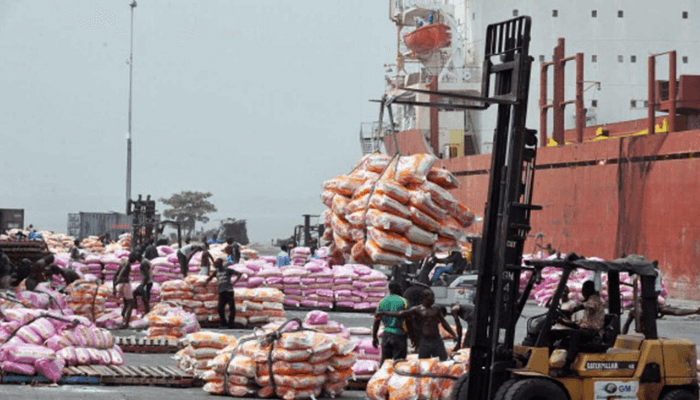
In recent years, Ghana businesses importing Nigerian food have experienced significant growth, reflecting the deep cultural and economic ties between both countries. From staple products like yam, garri, and beans, to processed goods such as palm oil, packaged snacks, and beverages, Nigerian food remains in high demand across Ghana. This demand is driven not only by the large Nigerian diaspora but also by Ghanaians who enjoy the flavors, nutritional value, and affordability of Nigerian products.
For companies involved in import/export, wholesale distribution, logistics, and FMCG, understanding this growing trade sector is essential. This article explores the opportunities and challenges Ghanaian businesses face when importing Nigerian food and highlights how solutions such as streamlined sourcing and logistics can improve operations.
Why Ghana Businesses Import Nigerian Food
The popularity of Nigerian food in Ghana is rooted in cultural similarity, geographical proximity, and shared culinary traditions. Products like egusi, crayfish, and suya spices are integral to meals enjoyed in both countries. For Ghana businesses, importing Nigerian food offers several advantages:
-
High Market Demand: Nigerian food products enjoy consistent demand, making them reliable inventory for wholesalers and retailers.
-
Regional Trade Benefits: As members of ECOWAS, both Ghana and Nigeria enjoy reduced trade tariffs and simplified cross-border processes.
-
Expanding FMCG Market: Packaged Nigerian foods, such as noodles and beverages, align with Ghana’s growing appetite for fast-moving consumer goods.
By tapping into this demand, Ghanaian importers can strengthen their market share and meet consumer expectations.
Key Challenges for Ghana Businesses Importing Nigerian Food
While opportunities are strong, there are also practical challenges when Ghana businesses import Nigerian food:
-
Logistics and Transportation: Poor road networks, port delays, and inconsistent transport systems can disrupt timely delivery.
-
Regulatory Compliance: Meeting food safety standards, customs requirements, and packaging guidelines can be complex.
-
Supply Chain Risks: Sourcing directly from multiple vendors may result in inconsistencies in quality or pricing.
Businesses must navigate these obstacles carefully to ensure reliability and profitability.
Practical Solutions for Streamlined Food Imports
Overcoming these challenges requires smart sourcing strategies, efficient logistics, and strong partnerships. For example:
-
Consolidated Sourcing: Working with a reliable distributor can simplify access to multiple Nigerian food products from one supplier, reducing risk.
-
Logistics Support: Choosing partners with established transport routes between Nigeria and Ghana helps minimize delays and cost overruns.
-
Compliance Expertise: Aligning with experienced import/export companies ensures smooth customs clearance and adherence to local regulations.
Wigmore Trading can help. With expertise in wholesale distribution and cross-border logistics, Wigmore Trading enables Ghanaian businesses to import Nigerian foods more efficiently and at scale.
The Role of Wigmore Trading in Supporting Ghana Businesses
For Ghana businesses importing Nigerian food, working with Wigmore Trading provides access to reliable supply chains, established vendor relationships, and integrated logistics. Whether sourcing staples like garri and yam flour or FMCG products such as packaged snacks and beverages, Wigmore Trading’s experience reduces the burden on importers.
-
Bulk Sourcing: Access a wide range of Nigerian food items in wholesale quantities.
-
Efficient Logistics: Streamlined transport solutions to Ghana ensure timely deliveries.
-
Trusted Partnerships: Assurance of product quality and regulatory compliance.
By leveraging these solutions, Ghanaian businesses can focus on growth while avoiding the common risks of fragmented sourcing.
Future Outlook: Strengthening Trade Between Ghana and Nigeria
The trade relationship between Ghana and Nigeria continues to expand, particularly in the food sector. With increasing urbanization and demand for FMCG products, opportunities for Ghana businesses importing Nigerian food will only grow. Digital platforms, improved logistics infrastructure, and regional integration policies will further ease cross-border trade.
Businesses that prepare today by building partnerships, ensuring compliance, and optimizing logistics are well positioned to benefit from this trend.
Conclusion
Ghana businesses importing Nigerian food stand to gain from strong cultural demand, regional trade benefits, and a growing FMCG market. However, success requires overcoming logistical, regulatory, and sourcing challenges. By working with trusted partners such as Wigmore Trading, companies can streamline their operations, ensure product quality, and focus on growth in a competitive marketplace.
Contact Wigmore Trading today to streamline your sourcing and logistics for Nigerian food imports into Ghana.






Comments are closed.