

The Ultimate Guide to Cross-Border Supply Chain Planning for Businesses

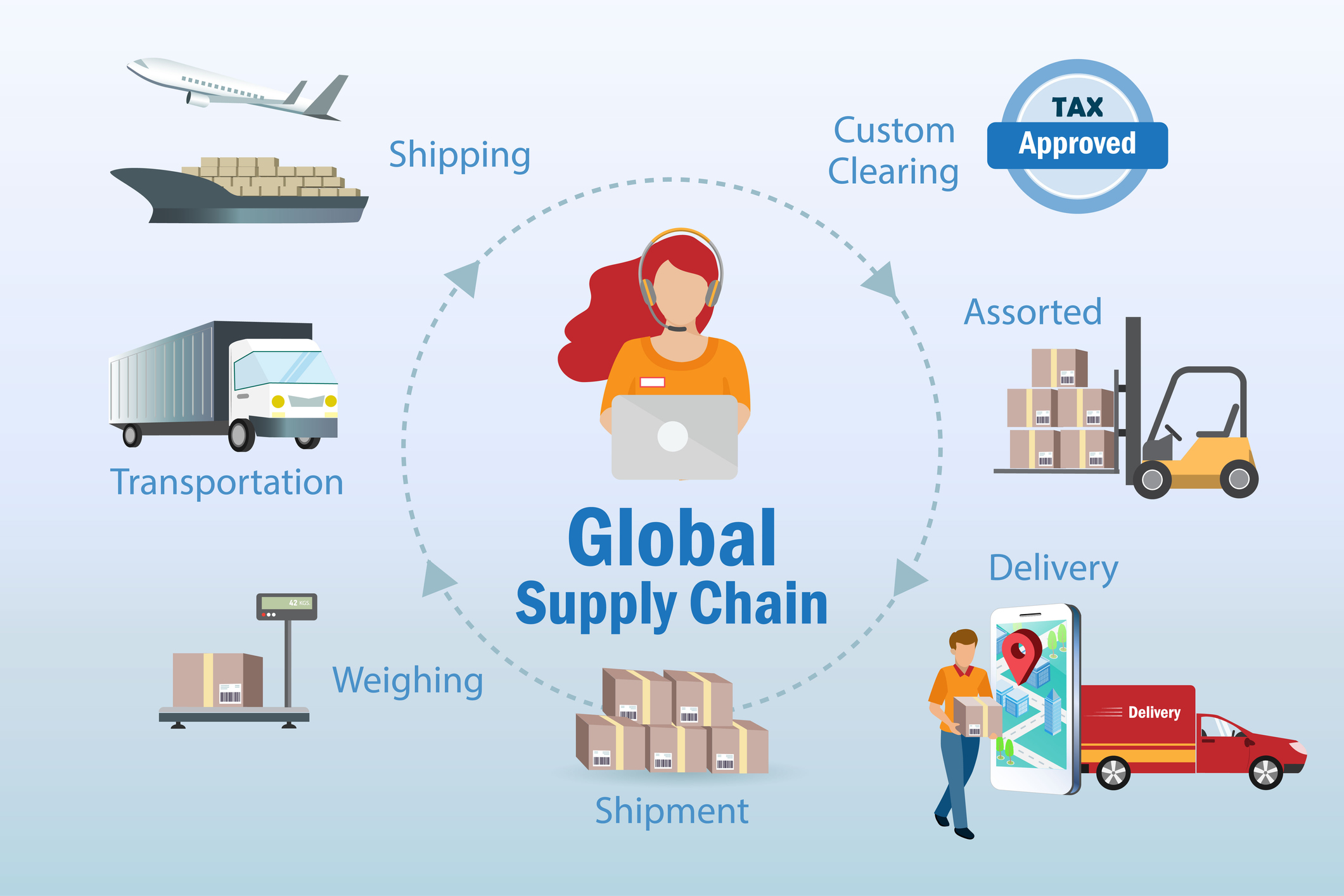
In today’s global marketplace, efficient cross-border supply chain planning is essential for companies aiming to stay competitive and profitable. Managing the flow of goods, information, and finances across countries can be complex—ranging from navigating customs regulations to ensuring timely delivery. Businesses that master these challenges gain a strong advantage in international trade.
Wigmore Trading, with years of expertise in African import and export logistics, helps companies streamline their global supply chain operations, reduce risk, and enhance efficiency.
Understanding Cross-Border Supply Chain Planning
Cross-border supply chain planning involves coordinating logistics, compliance, procurement, and distribution activities across multiple countries. It’s the process that ensures goods move seamlessly from suppliers to customers while complying with trade laws and minimizing costs.
A well-structured plan integrates sourcing, transportation, warehousing, and demand forecasting into one cohesive system. The goal is to anticipate challenges and create a responsive supply chain that adapts to fluctuations in demand, currency exchange, and border regulations.
Common Challenges in Cross-Border Logistics
Global trade presents both opportunities and obstacles. Some of the most common challenges include:
-
Customs Delays and Documentation Errors: Incomplete paperwork or inconsistent product classification can lead to costly delays.
-
Regulatory Compliance Issues: Each country has its own import/export laws and tariff structures that businesses must follow.
-
Supply Chain Visibility: Many organizations struggle to track shipments once they cross borders, leading to uncertainty and inefficiency.
-
Currency and Payment Risks: Exchange rate fluctuations and delayed payments can affect profit margins.
-
Infrastructure Limitations: In developing markets, poor transport infrastructure and unreliable logistics partners can hinder performance.
These factors can make or break an international operation. Effective supply chain planning minimizes such risks and enables smoother business continuity.
Key Strategies for Effective Cross-Border Supply Chain Planning
Businesses can strengthen their international logistics performance with these proven strategies:
-
Plan for Compliance Early – Build regulatory considerations into your logistics plan from the start to avoid border issues.
-
Leverage Local Partnerships – Partnering with a trusted logistics provider like Wigmore Trading helps you navigate regional complexities.
-
Use Data for Forecasting – Demand forecasting and data analytics ensure inventory levels are optimized.
-
Diversify Transport Routes – Avoid relying on a single mode of transport or route to minimize disruption risks.
-
Invest in Technology – Real-time tracking systems and digital customs solutions increase efficiency and reduce manual errors.
When these strategies are applied consistently, businesses enjoy faster delivery times, improved reliability, and better cost control.
How Wigmore Trading Supports Cross-Border Supply Chain Efficiency
Wigmore Trading provides a full range of supply chain management services designed to help businesses move goods seamlessly across Africa and beyond. With deep regional expertise, the company ensures every step—from procurement to delivery—is managed with precision.
1. Customs and Compliance Expertise
Navigating multiple customs environments can be daunting. Wigmore Trading assists clients in compliance management, ensuring all documentation, tariffs, and duties are handled correctly. This reduces clearance times and prevents penalties.
2. Reliable Sourcing and Distribution
Wigmore Trading’s network of verified suppliers and distributors helps companies source quality products efficiently and cost-effectively. Whether it’s FMCG, industrial goods, or bulk commodities, the company ensures reliable delivery timelines and product integrity.
3. Optimized Transportation and Warehousing
From road freight to sea shipping, Wigmore Trading leverages an integrated logistics system to ensure timely transport. Its warehouse management solutions also provide secure storage and inventory tracking for smooth order fulfillment.
4. Technology-Driven Visibility
Modern trade demands transparency. Wigmore Trading utilizes digital tools to enhance supply chain visibility, giving clients real-time updates on shipments and reducing the risk of disruptions.
The Future of Cross-Border Supply Chain Planning
The future of cross-border supply chain planning is being shaped by digital innovation, automation, and sustainable logistics. Companies are increasingly adopting AI-driven analytics, blockchain-based tracking, and eco-friendly transport solutions.
For African markets, this digital transformation presents new opportunities to enhance trade efficiency and attract global investment. Wigmore Trading continues to support this growth by helping organizations modernize their logistics and adopt best practices for sustainable trade.
Conclusion
Cross-border supply chain planning is more than logistics—it’s a strategic foundation for successful global operations. Companies that invest in proper planning, local expertise, and reliable partners are better positioned to navigate international challenges and achieve long-term growth.
Wigmore Trading can help. With a proven track record in African import and export logistics, the company delivers tailored solutions that ensure your goods move efficiently and compliantly across borders.
Contact Wigmore Trading today to streamline your sourcing and strengthen your international trade operations.






Comments are closed.