

Understanding Tariff Cost Modelling Service and Its Role in Global Trade

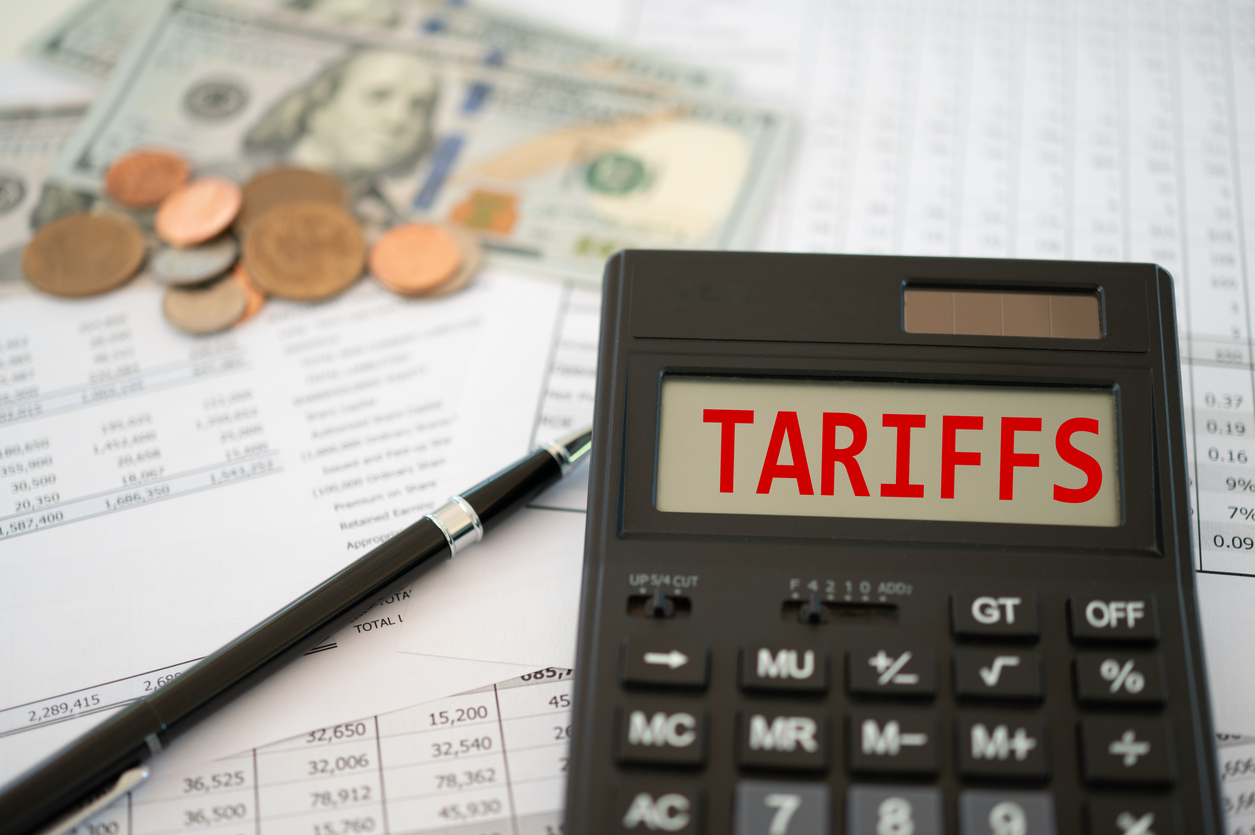
In today’s complex trading environment, tariffs can make or break profitability for importers and exporters. As businesses expand across borders, understanding how tariffs affect product pricing, supply chain costs, and overall competitiveness has become essential. That’s where tariff cost modelling services come in — helping companies anticipate and manage trade costs with precision.
What Is a Tariff Cost Modelling Service?
A tariff cost modelling service is a professional tool or consultancy that helps businesses calculate, simulate, and forecast the total cost of goods when importing or exporting across different countries. It takes into account:
-
Tariff rates based on product classification (HS codes)
-
Country-specific trade agreements and exemptions
-
Customs duties, taxes, and non-tariff barriers
-
Freight and insurance costs
-
Currency fluctuations and compliance expenses
By building a clear cost model, businesses can make informed decisions about sourcing, pricing, and market entry.
Why Tariff Cost Modelling Matters in Global Trade
In the current global trade landscape, tariff changes occur frequently due to shifting economic policies, trade sanctions, or regional agreements. For importers, even small tariff increases can lead to higher landed costs. Exporters face similar risks when their products are subject to retaliatory tariffs abroad.
A tariff cost modelling service helps organizations reduce these uncertainties by providing visibility and control. For instance:
-
Manufacturers can assess how tariffs affect component sourcing.
-
Wholesalers can determine the most cost-effective supply routes.
-
Distributors can adjust pricing to maintain profit margins.
By understanding tariff implications before shipments move, businesses can maintain competitiveness in both domestic and foreign markets.
Key Benefits of Using a Tariff Cost Modelling Service
1. Enhanced Cost Visibility
Businesses gain a clear breakdown of import/export costs, helping them budget accurately and price competitively.
2. Smarter Sourcing Decisions
By comparing tariff impacts across multiple countries, organizations can select optimal suppliers and regions.
3. Improved Compliance
Accurate tariff classification reduces the risk of penalties and customs delays — a common issue for traders.
4. Profit Margin Protection
Tariff models help forecast how changes in trade policies could affect future profitability, allowing proactive adjustments.
5. Supply Chain Agility
With reliable data, companies can quickly shift sourcing or markets to adapt to new trade conditions.
Industries That Benefit Most
While all trading companies can gain from tariff modelling, it’s particularly valuable for:
-
Importers of finished goods looking to manage landed costs.
-
Exporters exploring new markets or entering trade agreements.
-
FMCG distributors operating in regions with volatile trade rules.
-
Manufacturers dependent on raw material imports.
Wigmore Trading’s vast experience across Africa and international markets makes it the ideal partner for businesses navigating complex tariff frameworks.
Integrating Tariff Modelling into Your Business Strategy
Incorporating tariff cost modelling services into your operational strategy is not just about cost calculation — it’s about long-term trade planning. By simulating “what-if” tariff scenarios, companies can identify potential risks and opportunities before they happen.
For example, when a new trade agreement between the EU and Africa reduces tariffs on certain commodities, businesses using tariff models can react swiftly — shifting sourcing or expanding exports. Without such insights, competitors may seize market advantage first.
How Wigmore Trading Supports Businesses with Tariff Analysis
Wigmore Trading, a leading name in African trade and wholesale distribution, understands the importance of accurate cost forecasting. Through its deep knowledge of import/export procedures, Wigmore Trading helps clients simplify complex customs processes and evaluate the true cost of cross-border trade.
With a robust tariff cost modelling approach, Wigmore Trading can assist in:
-
Identifying the best sourcing countries with lower tariffs or preferential trade terms.
-
Optimizing supply chains by modelling the cost impacts of different routes.
-
Reducing compliance risks by ensuring the correct HS codes are applied.
-
Improving profit margins through data-backed decision-making.
For businesses trading in FMCG, food products, industrial goods, or logistics, Wigmore Trading provides practical insights to cut costs and enhance efficiency.
Partner with Wigmore Trading
Tariff complexities shouldn’t slow down your business growth. Whether you’re sourcing from Asia, exporting to Europe, or distributing across Africa, Wigmore Trading provides reliable support to simplify tariff management and optimize trade decisions.
Get in touch with our team to learn more about how our tariff cost modelling expertise can streamline your international operations.




Comments are closed.