
Understanding US Customs Penalties and How to Avoid Costly Mistakes

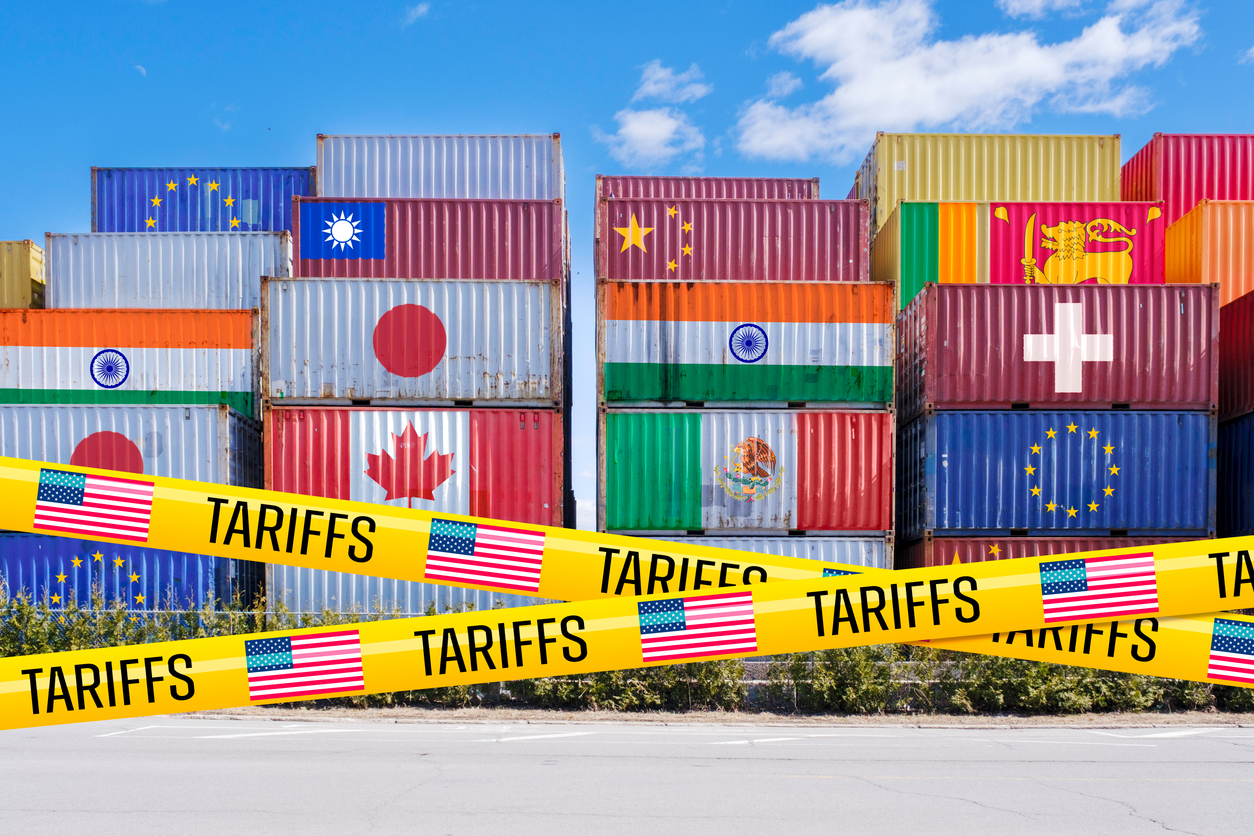
International trade offers vast opportunities, but it also comes with regulatory challenges—especially when it comes to US customs penalties. Importers and exporters can face significant fines or shipment delays for failing to comply with customs laws. For businesses trading with the United States, understanding these penalties and how to avoid them is essential for maintaining efficiency and protecting profits.
What Are US Customs Penalties?
US customs penalties are fines or enforcement actions imposed by U.S. Customs and Border Protection (CBP) when importers violate customs laws or procedures. These laws ensure that goods entering the country are properly classified, valued, and declared.
Penalties typically arise from:
-
Incorrect tariff classifications under the Harmonized Tariff Schedule (HTS).
-
False or incomplete documentation.
-
Errors in declared value or country of origin.
-
Failing to meet origin marking compliance requirements.
Penalties vary depending on whether the infraction was due to negligence, gross negligence, or fraud.
Types of US Customs Penalties
1. Negligence
Occurs when an importer fails to use reasonable care in preparing and submitting customs information. Even unintentional mistakes can result in fines or the temporary seizure of goods.
2. Gross Negligence
Involves a more serious disregard for customs laws—often when compliance processes are ignored or documents are submitted carelessly.
3. Fraud
Fraudulent activity, such as deliberately providing false information to avoid paying duties, can lead to severe financial and criminal consequences.
4. Documentation and Filing Errors
Late submissions or missing entry summaries can also attract penalties. Accuracy and timeliness are essential in customs declarations.
Consequences of Non-Compliance
Non-compliance can disrupt the entire supply chain. Businesses risk:
-
Significant financial losses due to fines or revaluation of duties.
-
Shipment delays while investigations are carried out.
-
Reputational damage if authorities perceive a pattern of negligence.
-
Import restrictions or loss of trading privileges for repeat offenders.
How to Avoid US Customs Penalties
1. Prioritize Accurate Classification and Valuation
Ensure all products are correctly classified and valued according to the HTS. Errors often lead to disputes or audits. Using customs software or consulting trade experts can minimize these risks.
2. Maintain Transparent Recordkeeping
Importers are required to retain customs-related records for at least five years. Organized and accessible documentation can quickly resolve issues during audits.
3. Conduct Compliance Audits
Regular reviews help identify and correct potential problems early. Internal audits are an effective way to ensure all import entries align with current CBP requirements.
4. Ensure Correct Origin Marking
Country-of-origin marking must accurately represent where goods were manufactured. Mislabeling can lead to fines and damaged trade relationships.
5. Stay Updated on Regulatory Changes
US customs regulations evolve with trade laws, sanctions, and tariff updates. Businesses that stay informed reduce the risk of unintentional violations.
How Wigmore Trading Can Help
At Wigmore Trading, we understand the complexities of international trade compliance. Whether you’re an African exporter entering the US market or a business expanding your global supply chain, we provide:
-
Customs documentation support
-
Freight forwarding and logistics services
-
Trade compliance consultation
-
Sourcing and distribution solutions
Our expertise ensures that your shipments meet all US customs requirements—reducing the risk of penalties and promoting smoother global trade operations.
Get in touch with our team to learn how Wigmore Trading can help your business avoid compliance pitfalls and succeed in international markets.
Conclusion
Understanding and preventing US customs penalties is fundamental to sustainable trade. Compliance not only avoids fines but also builds credibility with authorities and customers alike. With careful documentation, ongoing training, and attention to regulatory detail, businesses can navigate customs confidently and focus on growth.


Comments are closed.