
A Complete Guide to Rules of Origin Verification for U.S. Imports

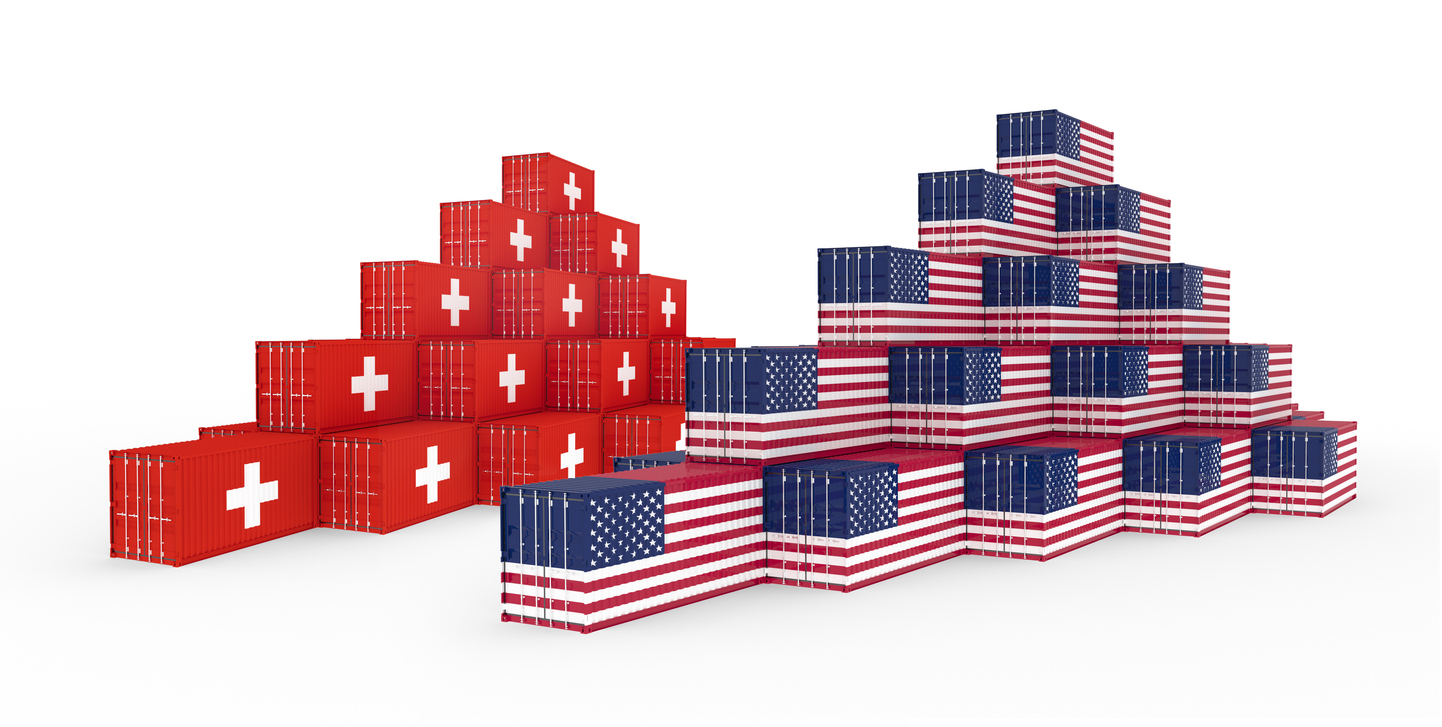
In global trade, rules of origin verification play a critical role in determining a product’s eligibility for preferential tariff treatment under trade agreements. For importers and exporters, particularly those dealing with the United States, understanding how these rules work is essential to maintaining compliance and avoiding costly delays or penalties.
This guide explains the key elements of rules of origin verification in the USA, why it matters, and how Wigmore Trading can help businesses ensure compliance throughout the supply chain.
What Are Rules of Origin?
Rules of origin (ROO) are the criteria used to determine a product’s “nationality” for international trade purposes. They define where a product was made or substantially transformed and are crucial for identifying whether a shipment qualifies for preferential tariffs under Free Trade Agreements (FTAs) such as USMCA, CAFTA-DR, or AGOA (African Growth and Opportunity Act).
In the U.S., Customs and Border Protection (CBP) uses rules of origin to determine if imported goods meet the requirements for duty-free or reduced-duty treatment. This ensures that only goods genuinely produced in eligible countries receive trade benefits.
Why Rules of Origin Verification Matters
Rules of origin verification ensures transparency and fairness in global trade. For importers and exporters, it serves several key purposes:
-
Prevents trade fraud and mislabeling: It ensures that goods claiming preferential status genuinely qualify.
-
Protects domestic industries: By maintaining fair competition and preventing circumvention of trade laws.
-
Ensures compliance with FTAs: Companies that cannot prove their products’ origin may lose access to tariff benefits and face penalties.
Incorrectly documented origins can lead to shipment delays, additional tariffs, or even blacklisting from certain trade programs. For exporters in Africa or other regions doing business with U.S. buyers, this verification is essential for long-term success.
How Rules of Origin Verification Works in the USA
The U.S. Customs and Border Protection (CBP) is responsible for verifying product origins under various trade agreements. This verification process may include:
-
Documentation Review
Importers must provide certificates of origin or supporting evidence such as bills of materials, supplier declarations, and production records. -
Physical Verification
CBP officers may visit production facilities to verify the manufacturing process and confirm that the substantial transformation took place in the declared country. -
Post-Entry Audits
Verification can occur after goods have entered the U.S. market. Importers are required to keep records for up to five years and provide them upon request. -
Cooperation Between Customs Authorities
Under most FTAs, partner countries’ customs agencies collaborate to confirm authenticity and reduce the risk of fraudulent claims.
By adhering to these procedures, businesses can ensure transparency and build trust with U.S. trade partners.
Common Challenges in Rules of Origin Verification
Many exporters, especially those new to U.S. trade, face obstacles when complying with rules of origin requirements. Common challenges include:
-
Complexity of origin criteria: Understanding the difference between “wholly obtained” and “substantially transformed” goods.
-
Incomplete documentation: Missing or inconsistent records can result in denial of preferential treatment.
-
Changes in trade policies: Updates to agreements like USMCA or AGOA may alter the criteria for eligibility.
To navigate these challenges, companies must establish a robust compliance strategy that includes accurate record-keeping and regular training on customs requirements..
Best Practices for Rules of Origin Compliance
To stay compliant with U.S. verification standards, exporters and importers should:
-
Maintain detailed records: Keep supplier declarations, production logs, and invoices for every shipment.
-
Use accurate product classifications: Properly apply HS codes to avoid misinterpretation.
-
Stay updated on trade agreements: Regularly review FTA updates to remain compliant.
-
Work with trusted partners: Collaborate with logistics experts like Wigmore Trading for compliance assurance.
Implementing these best practices ensures consistent verification outcomes and builds stronger international trade relationships.
How Wigmore Trading Can Help
At Wigmore Trading, we understand the importance of maintaining compliance with U.S. trade regulations. As an experienced player in import and export logistics, we help businesses across Africa and other regions streamline their documentation, verify origin authenticity, and ensure all shipments meet international standards.
Our team can assist with:
-
Product classification and documentation preparation
-
Verification and compliance audits
-
Supply chain transparency and reporting
-
Trade facilitation under AGOA and other FTAs
By leveraging our global network and expertise, Wigmore Trading simplifies the complex process of rules of origin verification—helping clients save time, reduce costs, and maintain trade integrity.
Contact Wigmore Trading today to learn how we can support your export operations and compliance with U.S. trade laws
Conclusion
Rules of origin verification in the USA is a critical component of global trade compliance. It ensures that preferential tariff benefits are granted fairly and that businesses maintain trust and transparency with customs authorities.
For exporters seeking to trade efficiently and compliantly with the U.S., partnering with an experienced logistics partner like Wigmore Trading provides a clear advantage. Our expertise ensures that every shipment meets the required origin standards—so your business can focus on growth, not paperwork.



Comments are closed.