
Key Steps in Effective Tariff Classification Dispute Resolution for Exporters

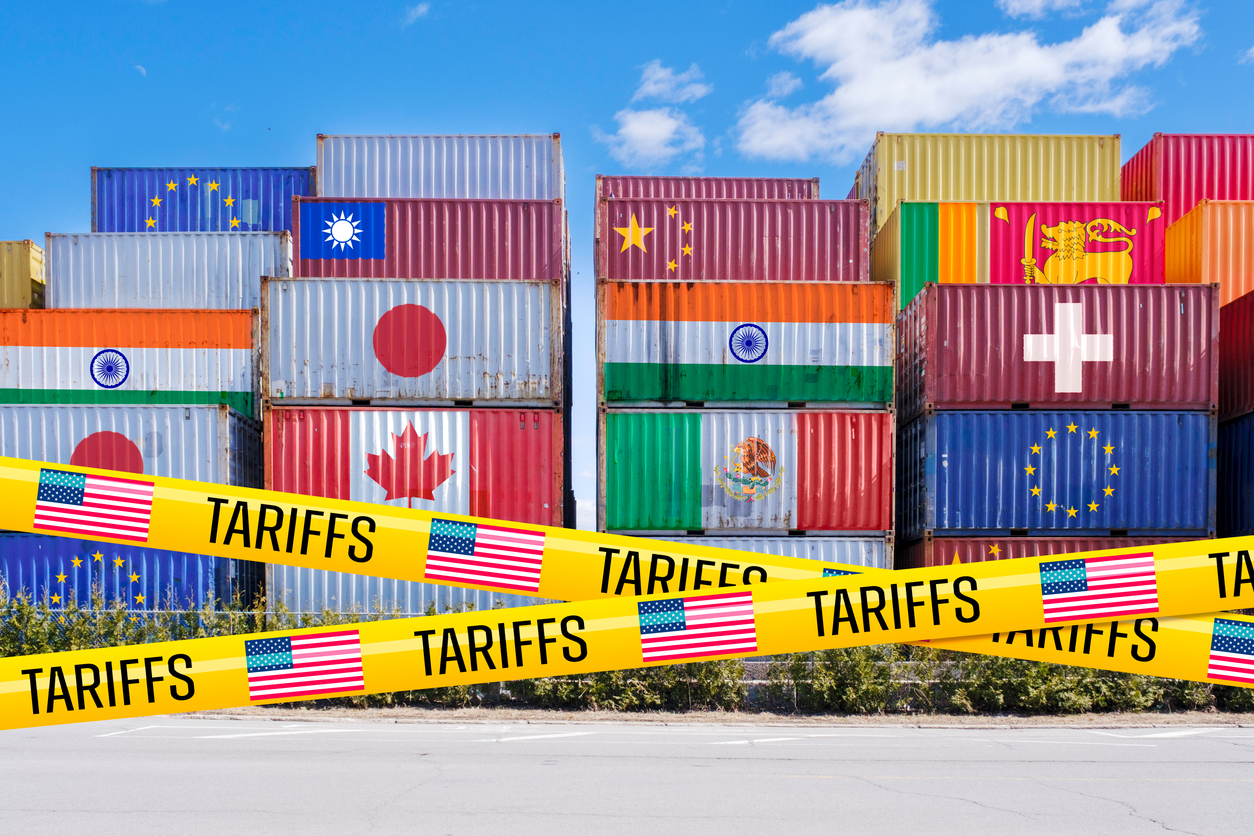
In the world of international trade, tariff classification is a critical process that determines the customs duties, taxes, and regulations applicable to imported and exported goods. When disputes arise over how goods are classified, they can cause delays, unexpected costs, and strained trade relationships. That’s where tariff classification dispute resolution comes in — a structured approach to resolving classification disagreements efficiently and fairly.
This article explores how businesses can navigate tariff classification disputes, the challenges involved, and how Wigmore Trading helps companies simplify trade compliance across Africa and beyond.
Understanding Tariff Classification in International Trade
Every product traded internationally must be classified under the Harmonized System (HS) code — a standardized numerical method used by customs authorities worldwide. These codes determine the tariff rates, import/export restrictions, and statistical data for each item.
However, classifying goods accurately can be complex. Different interpretations of product features, materials, or uses often lead to disagreements between traders and customs officials. When this happens, a tariff classification dispute arises.
Common Causes of Tariff Classification Disputes
Tariff classification disputes often stem from misinterpretations or inconsistencies in product descriptions and regulations. Some common causes include:
-
Ambiguous product descriptions: When the product’s composition or function is not clearly defined.
-
Changes in classification rules: Updates to the HS system may alter tariff obligations.
-
Inconsistent customs rulings: Different ports or countries may interpret codes differently.
-
Complex or innovative products: New technologies or composite goods often challenge standard classifications.
These disputes can lead to shipment delays, unexpected customs duties, or even financial penalties — all of which disrupt trade flow.
Why Tariff Classification Dispute Resolution Matters
Accurate classification is essential for maintaining smooth import and export operations. When disputes occur, having a structured resolution process helps:
-
Avoid costly delays: Quick dispute resolution minimizes port congestion and demurrage costs.
-
Maintain compliance: Ensures traders remain aligned with international customs laws.
-
Build trust with authorities: Transparent processes foster better relationships with customs officials.
-
Improve financial planning: Predictable duty costs aid accurate budgeting and pricing strategies.
For businesses trading across multiple African markets, efficient dispute resolution can mean the difference between seamless operations and significant financial setbacks.
Steps in Tariff Classification Dispute Resolution
While each country has its procedures, the following steps are commonly used to resolve disputes:
-
Documentation Review: Traders should present detailed invoices, technical data, and product samples to justify their classification.
-
Consultation with Customs: Engage with customs officers to discuss the reasoning behind the proposed classification.
-
Submission of Appeal: If disagreements persist, formal appeals can be lodged with the relevant customs authority.
-
Expert Review: Independent experts or trade consultants may be brought in to assess product specifications.
-
Final Determination: Customs authorities issue a final ruling, which can sometimes be appealed in a trade tribunal or court.
By following these structured steps, businesses can ensure transparency and consistency in how disputes are managed.
Wigmore Trading’s Role in Simplifying Trade Compliance
At Wigmore Trading, we understand that navigating customs regulations and tariff classifications can be daunting for importers and exporters. With years of experience in African trade and logistics, our team supports businesses in:
-
Accurately classifying products under the HS system.
-
Preparing complete and compliant customs documentation.
-
Liaising with customs officials to prevent disputes.
-
Assisting in tariff classification dispute resolution when disagreements occur.
Our goal is to help businesses minimize risk, reduce clearance delays, and maintain compliance with international trade laws.
Wigmore Trading can help. Get in touch with our team to streamline your trade documentation and classification process.
Best Practices to Prevent Tariff Classification Disputes
To avoid costly disputes before they occur, businesses should adopt the following best practices:
-
Maintain detailed product records — including composition, origin, and usage.
-
Stay updated on HS code amendments and tariff regulations.
-
Consult experts before submitting customs declarations.
-
Work with experienced logistics partners like Wigmore Trading for compliance guidance.
By proactively managing classification, traders can ensure uninterrupted import/export operations and avoid unnecessary penalties.
Conclusion
Tariff classification dispute resolution is an essential part of modern trade compliance. With evolving customs laws and complex product categories, traders must stay informed and proactive. Partnering with experts like Wigmore Trading ensures your goods are correctly classified, disputes are resolved swiftly, and your operations remain efficient across borders.
Contact Wigmore Trading today to learn how we can help you navigate the complexities of tariff classification and international trade compliance.




Comments are closed.