
How Compliance Software for US Tariffs Simplifies Global Trade

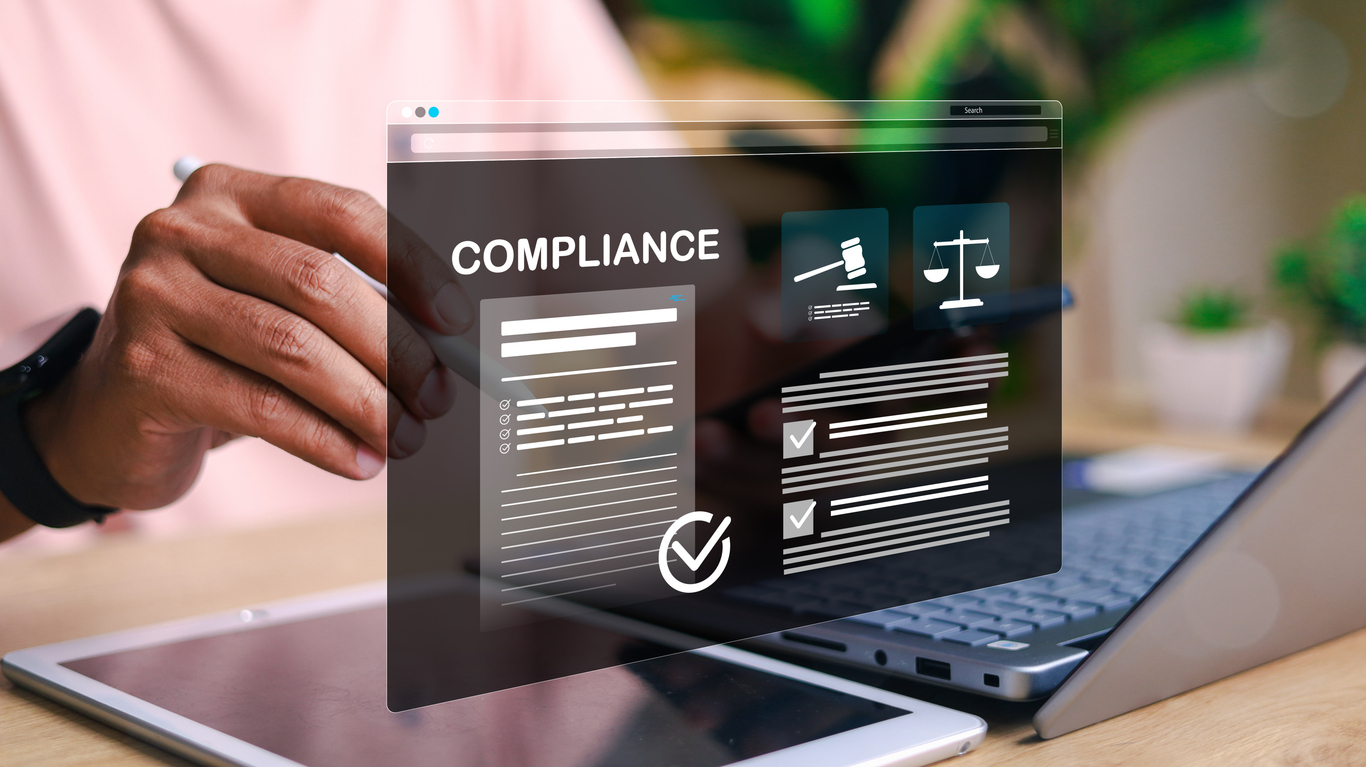
In today’s global marketplace, businesses importing and exporting goods to or from the United States face ever-changing tariff regulations. Keeping up with complex trade compliance rules can be time-consuming and costly—especially for companies sourcing from multiple regions. That’s where compliance software for US tariffs comes in. It helps streamline import/export documentation, automate classification, and ensure your business remains compliant with US customs laws.
For African and international importers partnering with Wigmore Trading, such technology is transforming how global trade is managed efficiently and transparently.
Understanding US Tariffs and Trade Compliance
US tariffs are taxes imposed on imported goods, varying by product category, country of origin, and trade agreements. The US government uses these tariffs to regulate trade and protect domestic industries.
However, compliance with these regulations isn’t always straightforward. Businesses must navigate the Harmonized Tariff Schedule (HTS), maintain accurate documentation, and adapt to periodic changes in tariff rates. Failing to comply can lead to fines, shipment delays, and even trade restrictions.
That’s why many importers are now turning to automated compliance software for US tariffs to minimize risk and improve accuracy in customs management.
The Role of Compliance Software for US Tariffs in Modern Trade
Compliance software helps businesses automate the process of classifying products, calculating applicable tariffs, and maintaining audit-ready documentation. It ensures that importers apply the correct duty rates, claim trade agreement benefits, and stay updated on policy changes.
Key features often include:
-
Automated tariff classification using AI-driven tools
-
Real-time updates on regulatory changes
-
Customs documentation management
-
Integrated risk alerts for potential non-compliance issues
-
Trade data analytics for better decision-making
For wholesalers, distributors, and suppliers working across borders—especially between Africa and the US—these tools make it easier to maintain accuracy and transparency throughout the trade process.
Why Businesses Need Compliance Software for US Tariffs
Implementing compliance software goes beyond meeting regulatory standards—it’s a strategic move for growth. Here’s how it benefits global traders:
-
Reduced Risk of Penalties
Automation minimizes errors in tariff classification and documentation, reducing the risk of costly penalties. -
Time and Cost Efficiency
Automated processes cut down manual work, saving time for logistics and procurement teams. -
Improved Supply Chain Transparency
Real-time compliance data ensures all stakeholders—from suppliers to customs brokers—have access to accurate information. -
Adaptability to Changing Regulations
The software keeps businesses up-to-date with the latest US tariff changes, ensuring continued compliance.
For African businesses expanding into the US market, these benefits translate to smoother transactions and improved profitability.
How Wigmore Trading Supports Tariff Compliance
At Wigmore Trading, we understand that import/export compliance is not just a legal requirement—it’s a business necessity. As a trusted African trade and distribution company, we partner with businesses to ensure their products move seamlessly across international borders.
By combining years of experience in international logistics and customs brokerage, Wigmore Trading helps clients implement trade processes that align with the latest US tariff requirements. Whether you’re importing packaged foods, beverages, or consumer goods, we ensure your shipments meet all necessary compliance standards.
When integrated with compliance software for US tariffs, our solutions help businesses avoid costly delays, reduce manual errors, and maintain an uninterrupted supply chain.
Integrating Software with Logistics: The Wigmore Advantage
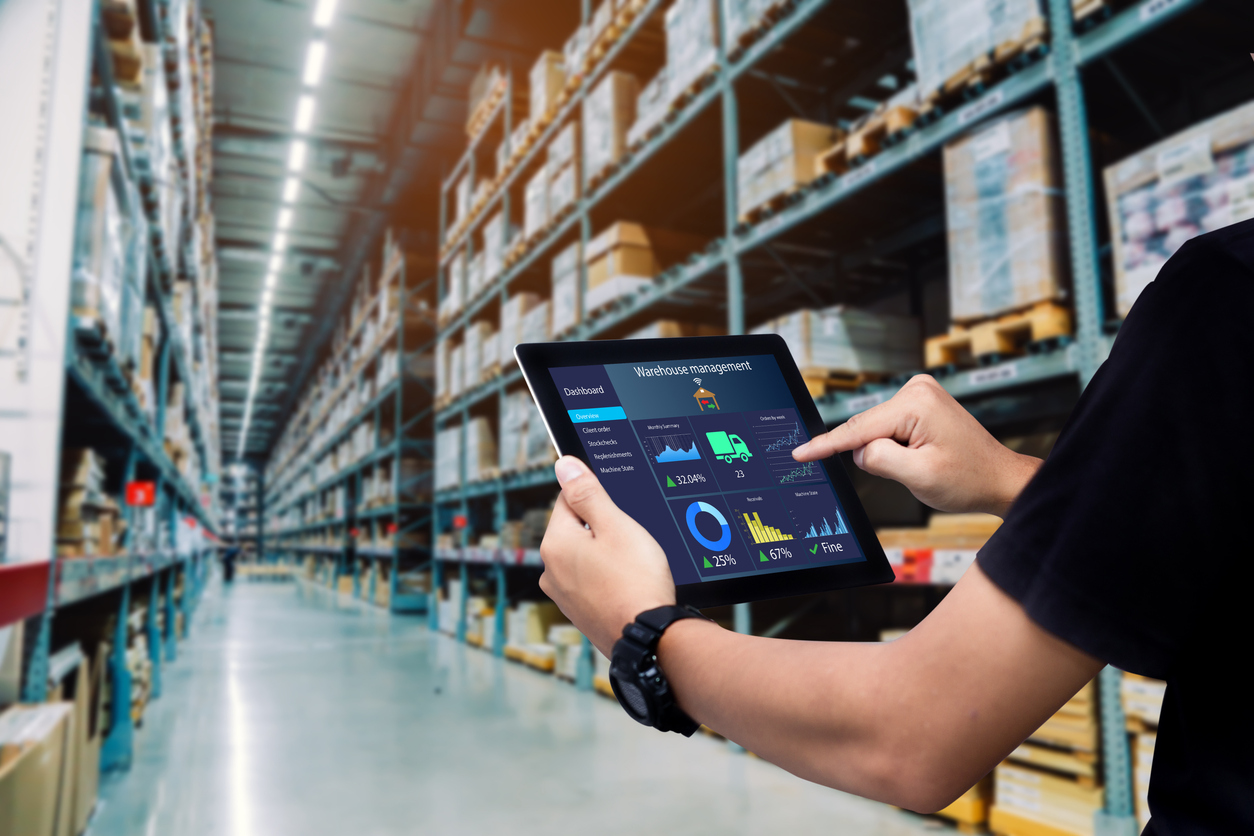
For optimal efficiency, compliance software should work hand-in-hand with logistics and distribution systems. Wigmore Trading provides integrated support to ensure your compliance tools align with your supply chain operations, from shipment documentation to final delivery.
Our network covers sourcing, warehousing, packaging, and shipping—helping businesses navigate complex trade channels confidently. Whether you’re exporting goods from West Africa or importing to meet US demand, Wigmore Trading ensures a seamless, compliant trade experience.
Wigmore Trading can help. Get in touch with our team today to discuss how compliance software and our logistics expertise can strengthen your global operations.
The Future of Trade Compliance
As global trade regulations continue to evolve, technology-driven compliance solutions are becoming indispensable. Businesses that invest in compliance software for US tariffs not only stay ahead of changing policies but also gain a competitive edge through efficiency and transparency.
By working with reliable partners like Wigmore Trading, companies can focus on growth while ensuring their operations remain fully compliant with international trade laws.
Contact Wigmore Trading today to streamline your sourcing and ensure compliance across borders.




Comments are closed.