

Investing in Africa’s Solar Energy Projects: A Strategic Opportunity

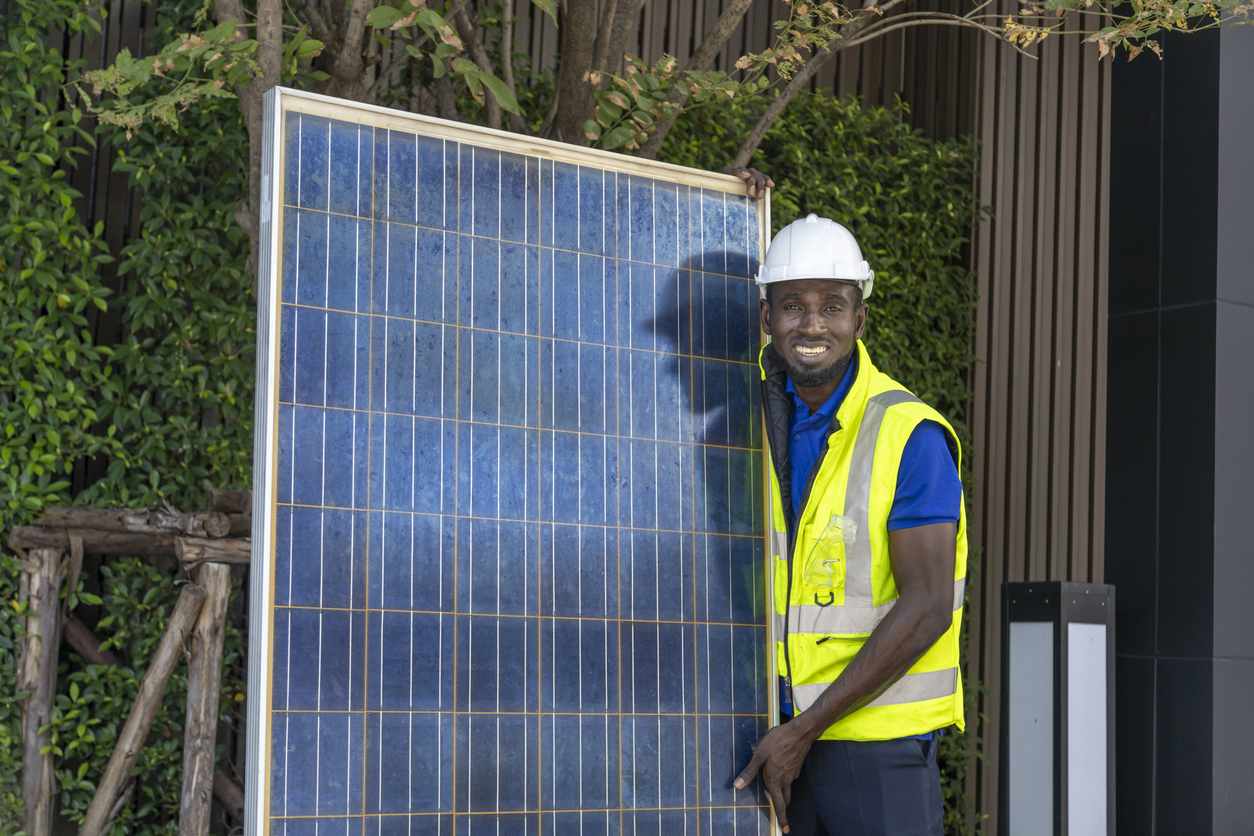
Africa stands at the precipice of a renewable energy revolution, with solar energy projects emerging as pivotal drivers of economic growth, energy access, and environmental sustainability. For businesses, investors, and stakeholders in the import/export, wholesale distribution, FMCG, logistics, and African trade sectors, understanding the dynamics of solar energy investments is crucial. This article delves into the current landscape of solar energy projects in Africa, highlighting key trends, challenges, and actionable insights for strategic involvement.
Africa’s Solar Energy Investment Landscape
In 2024, Africa’s renewable energy investments surged to an estimated $40 billion, a significant increase from $2.6 billion in 2021. Despite this growth, Africa’s share of global clean energy funding remains under 3%, underscoring the vast untapped potential in the continent’s solar sector.
The International Energy Agency (IEA) projects that Africa will install an additional 23 GW of solar capacity by 2028, more than doubling its current capacity. This expansion is expected to be driven by 18 African countries installing at least 100 MW each in 2025, compared to just two in 2024.
Key Drivers of Solar Energy Investment in Africa
1. Abundant Solar Resources
Africa boasts some of the highest solar irradiance levels globally, making it an ideal location for solar energy generation. Countries like Algeria have seen a 6,300% increase in solar panel imports, reflecting the continent’s growing commitment to solar energy.
2. Supportive Policy Frameworks
Governments across Africa are implementing policies to attract solar investments. For instance, Egypt has committed to a 42% renewable energy share in its electricity generation mix by 2030, with significant projects like the 1 GW solar plant developed in partnership with Scatec.
3. International Financial Commitments
Multilateral institutions are increasing their support for Africa’s energy sector. The Islamic Development Bank (IsDB) and the Asian Infrastructure Investment Bank (AIIB) have pledged approximately $6.15 billion to support electrification initiatives, aiming to provide electricity to 300 million Africans within the next six years.
Challenges in Solar Energy Investment
1. Infrastructure and Financing Gaps
Despite the influx of investments, challenges such as inadequate infrastructure and limited access to financing persist. In 2023, less than $2.5 billion was committed for new electricity access connections in sub-Saharan Africa, highlighting the need for increased investment to meet universal electricity access goals.
2. Political and Economic Instability
Regions like Mali face challenges in expanding solar energy projects due to political instability and insecurity. While initiatives like the Sanankoroba Solar Power Station aim to address energy access, broader expansions are hindered by these factors.
Strategic Opportunities for Stakeholders
1. Investment in Utility-Scale Projects
Large-scale solar projects, such as the 200 MW Sanankoroba Solar Power Station in Mali and the 120 MW Mmadinare Solar Power Station in Botswana, present significant investment opportunities. These projects often involve public-private partnerships and offer long-term returns .
2. Off-Grid and Decentralized Solutions
Off-grid solar solutions are gaining traction in rural areas with limited access to electricity. Programs like the “Solar Mamas” in Zanzibar empower local women to install and maintain solar systems, improving energy access and fostering community development.
3. Collaboration with Local Partners
Partnering with local entities can enhance the effectiveness of solar energy projects. For example, Scatec’s collaboration with Egypt’s government for the 1 GW solar plant demonstrates the benefits of aligning with local policies and stakeholders.
How Wigmore Trading Can Support Your Solar Energy Investment
Wigmore Trading offers comprehensive services to navigate the complexities of solar energy investments in Africa. From identifying viable projects to facilitating partnerships and ensuring compliance with local regulations, Wigmore Trading can help streamline your entry into the African solar energy market.
Conclusion
Investing in Africa’s solar energy projects presents a unique opportunity to contribute to sustainable development while achieving favorable returns. By understanding the continent’s dynamics and leveraging local partnerships, stakeholders can play a pivotal role in shaping Africa’s energy future.





Comments are closed.