
Barges for Sale in Nigeria: A Strategic Guide for Import/Export & Logistics Players

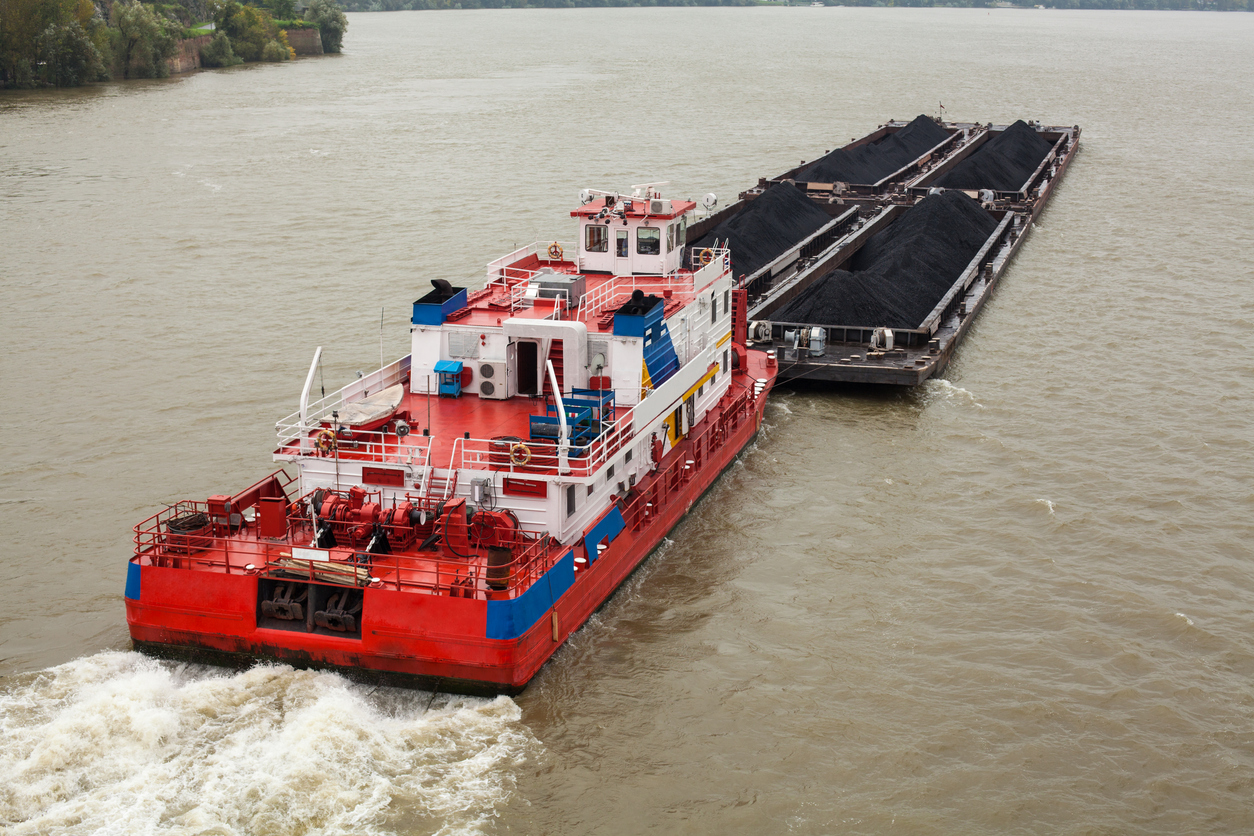
For companies operating in import/export, wholesale distribution, FMCG, and logistics across Africa, purchasing barges can unlock significant efficiencies. When you’re looking for barges for sale in Nigeria, understanding the market, the types of vessels available, and how a partner like Wigmore Trading Ltd (Wigmore Trading) can assist is essential.
Why Barges Matter in Nigerian Trade
Barges are flat‑bottomed vessels designed for heavy or bulk cargo transport over waterways. In Nigeria’s context:
-
They provide access to inland waterways and ports, beyond conventional road and rail.
-
They help bypass congested land routes and heavy port traffic, reducing transit time and cost.
-
For FMCG, bulk importers, or companies distributing heavy equipment or commodities, owning a barge can reduce reliance on third‑party transport and give more control.
Current Market for Barges for Sale in Nigeria
There are active listings for barges and pontoons in Nigeria, which demonstrates that:
-
Barges for sale exist in the domestic market (both “used” and “refurbished”).
-
Prices and vessel types vary widely: from simple pontoons to 1,200 MT self‑propelled barges.
-
Purchasing a barge needs due diligence: condition, registration, tonnage, and suitability for your cargo type.
What to Look for: Buying Barges in Nigeria
When scouting for barges for sale in Nigeria, consider:
-
Vessel type & capacity: For example, dump barges for scrap or bulk material; self‑propelled vs non‑propelled.
-
Condition & maintenance history: Older vessels may require refurbishment, raising costs.
-
Registration & compliance: Ensure Nigerian flag or legal registration, compliance with marine regulations and duty of care.
-
Waterway suitability: Nigeria has inland waterways and coastal zones — the vessel must suit the environment (depth, dredging, navigability).
-
Integration into your logistics chain: If you’re an FMCG distributor, how will the barge connect with your distribution hubs, warehouses, ports, or off‑take facilities?
-
Financing & ROI: While owning may reduce transport cost per unit, acquisition and operating costs (crew, maintenance, insurance) must be budgeted.
Addressing Key Challenges in Barges Procurement
Infrastructure and Waterway Depth
Nigeria’s waterways can face issues such as insufficient dredging, shallow channels, or navigational constraints.
Solution: Conduct hydrographic surveys and engage local operators via Wigmore Trading to ensure the chosen vessel is suited to the intended route.
High Up‑Front Cost and Operating Expense
While land transport often has visible cost structures, barge ownership carries hidden costs (crew, insurance, maintenance, docking).
Solution: Run detailed business modelling – Wigmore Trading can support projections of cost per ton, utilisation rate, and turnaround time to validate your investment.
Regulatory & Flag Compliance
Importing or registering vessels in Nigeria involves regulatory oversight (marine safety, environmental, customs).
Solution: Use a partner with local regulatory experience (Wigmore Trading) to manage compliance and registration smoothly.
How Wigmore Trading Can Help
Wigmore Trading offers expertise in maritime, logistics, and distribution which positions them as a valuable partner if you’re exploring barges for sale in Nigeria:
-
Advisory & sourcing support: Wigmore Trading can help identify available barges, evaluate suitability, and assist in negotiation based on their knowledge of the Nigerian maritime market.
-
Logistics & integration: Beyond purchase, they help integrate the barge into your supply chain – from port operations, handling to inland transfer.
-
Compliance and operations: Their experience ensures regulatory and operational standards are met, reducing risk for first‑time buyers.
-
Asset utilisation strategy: They can help you map how the barge will serve your trade flows (import bulk cargo, off‑shore transfer, inland distribution) so you maximise ROI.
Conclusion
If your business is active in African trade, logistics, or distribution and you’re exploring barges for sale in Nigeria, there is meaningful value in owning a barge—provided you approach the purchase strategically. Consider capacity, route suitability, condition, compliance, and integration with your supply chain. With support from Wigmore Trading – from sourcing, advisory to logistics and operations – you can de‑risk the process and harness the potential of waterway transport to optimise your distribution network.
Ready to take the next step? Wigmore Trading can help. Get in touch with our team to learn more about sourcing barges for your operations.






Comments are closed.