
How to Successfully Set Up a Logistics Company in Ghana

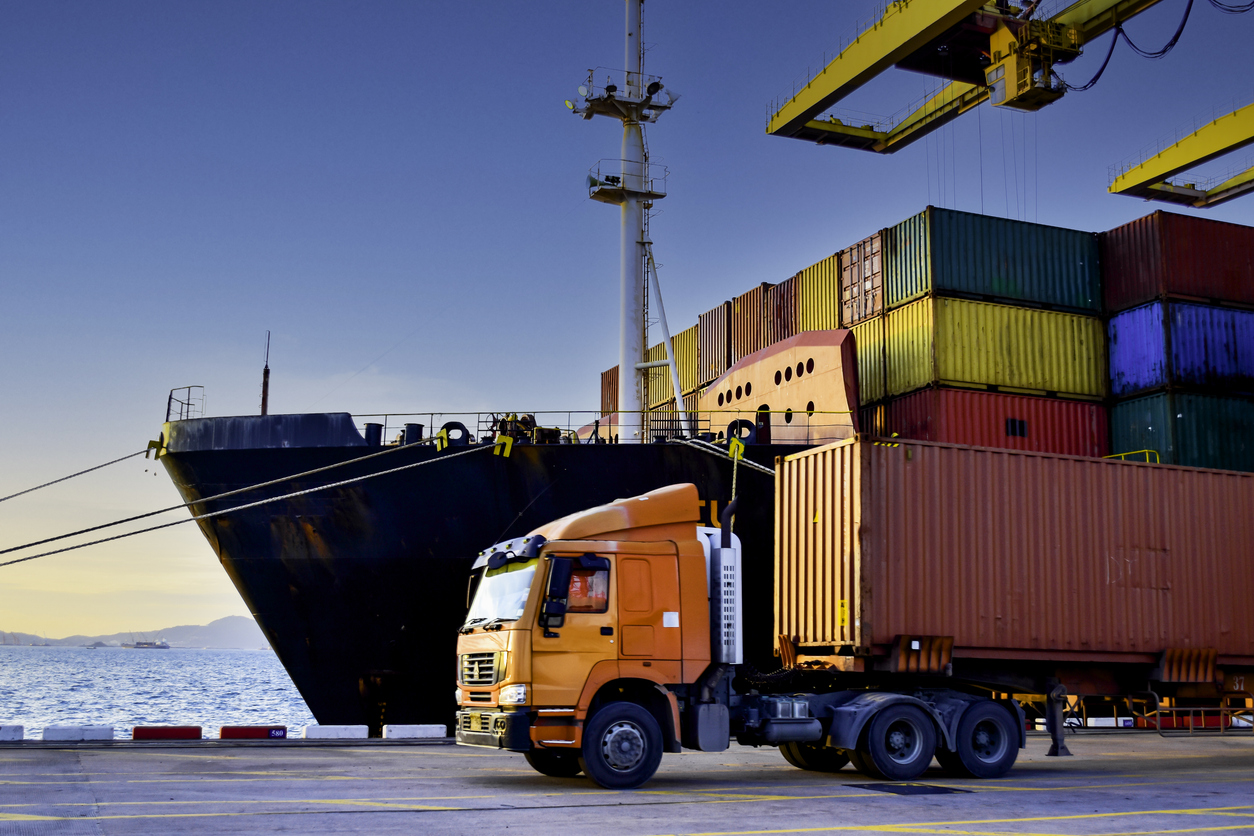
Ghana has become one of West Africa’s most attractive hubs for trade, import/export, warehousing, and distribution. With its stable political environment, growing consumer market, and expanding transport infrastructure, more entrepreneurs and international firms are looking to establish logistics operations in the country.
If you are considering a logistics company setup in Ghana, understanding the regulatory steps, market landscape, and operational requirements is essential. Below is a practical guide to help you build a strong foundation—and how Wigmore Trading can support your business every step of the way.
Why Set Up a Logistics Company in Ghana?
Ghana’s strategic advantages continue to attract logistics, distribution, and freight businesses:
-
Gateway to West Africa: Easy access to ECOWAS markets with over 400 million consumers.
-
Strong Port Infrastructure: Tema and Takoradi ports serve as major import/export entry points.
-
Improving Transport Networks: Upgraded roads and increasing investment in rail and air cargo.
-
Growing FMCG & Retail Sectors: Higher demand for warehousing, fulfilment, and distribution services.
Businesses that can provide fast, reliable logistics services—especially for imported goods—are well-positioned for long-term growth. Wigmore Trading supports companies entering this market with sourcing, procurement, transport, and distribution solutions across Ghana and the wider region.
Key Steps for Setting Up a Logistics Company in Ghana
1. Register Your Business
All logistics companies must be registered with the Registrar General’s Department (RGD). This includes choosing your business structure (LLC, partnership, or sole proprietorship) and obtaining your company registration certificate.
Foreign-owned logistics companies may require additional filings with the Ghana Investment Promotion Centre (GIPC), depending on their ownership structure and minimum capital requirements.
2. Secure All Necessary Licenses
Depending on your logistics services, you may need:
-
Freight forwarding licence
-
Customs clearing licence
-
Transport operator permits
-
Warehousing and storage approvals
-
Environmental and safety compliance certificates
Working with experienced partners helps ensure nothing is missed. Wigmore Trading can assist with compliance requirements or serve as your licensed logistics operator in Ghana.
3. Establish Reliable Warehousing and Storage
Location matters. Choose warehousing close to key transport routes such as:
-
Tema Port
-
Accra–Tema Motorway
-
Major FMCG distribution zones
Wigmore Trading offers warehousing and fulfilment solutions, helping businesses reduce overhead costs and accelerate delivery timelines.
4. Develop Your Transport and Distribution Network
A viable logistics company in Ghana needs dependable:
-
Fleet management
-
Local distribution routes
-
Partnerships with transport providers
-
Cold-chain capability (if handling perishables)
Wigmore Trading maintains established transport networks across Ghana’s major cities and neighbouring countries—ideal for companies seeking quick market entry.
5. Implement Technology and Tracking Systems
Modern logistics in Ghana increasingly requires:
-
GPS vehicle tracking
-
Warehouse management systems (WMS)
-
Inventory monitoring
-
Digital invoicing and customer communication tools
Investing in the right systems improves efficiency and reduces delays—key factors in satisfying Ghana’s growing consumer market.
6. Build Strategic Trade Partnerships
Strong partnerships are essential when entering a new logistics market. Working with a trusted distributor or procurement agency helps you avoid delays, reduce costs, and streamline operations.
Wigmore Trading can help by acting as your on-ground logistics partner, offering sourcing, warehousing, import handling, and distribution so your business can operate smoothly from the start.
Challenges to Expect and How to Overcome Them
Import Delays
Documentation errors and customs issues often slow down cargo clearance.
Solution: Work with an experienced logistics provider like Wigmore Trading to manage paperwork and clearance.
Infrastructure Limitations
Certain rural and regional areas have weaker roads.
Solution: Use established distribution routes and expert route planners.
High Operating Costs
Fleet maintenance, warehousing, and staff expenses can add up.
Solution: Outsource non-core logistics functions to reduce overhead.
Why Partner With Wigmore Trading?
Wigmore Trading has years of experience supporting FMCG distributors, wholesalers, manufacturers, and retailers across West Africa. Our services include:
-
Import logistics & customs clearance
-
Warehousing and stock management
-
Wholesale distribution
-
Procurement and supply chain support
-
Transport and last-mile delivery
Whether you are starting a logistics company from scratch or expanding into Ghana, Wigmore Trading can help streamline your operations and speed up market entry.
Conclusion
Setting up a logistics company in Ghana offers huge potential—especially as demand for efficient import, export, and distribution services continues to rise. By understanding the legal requirements, investing in infrastructure, and partnering with reliable local experts, you can build a sustainable and profitable logistics business.
Get in touch with Wigmore Trading today to support your logistics setup in Ghana.





Comments are closed.