
How to Choose the Right Corporate Fraud Investigation Firm in Nigeria

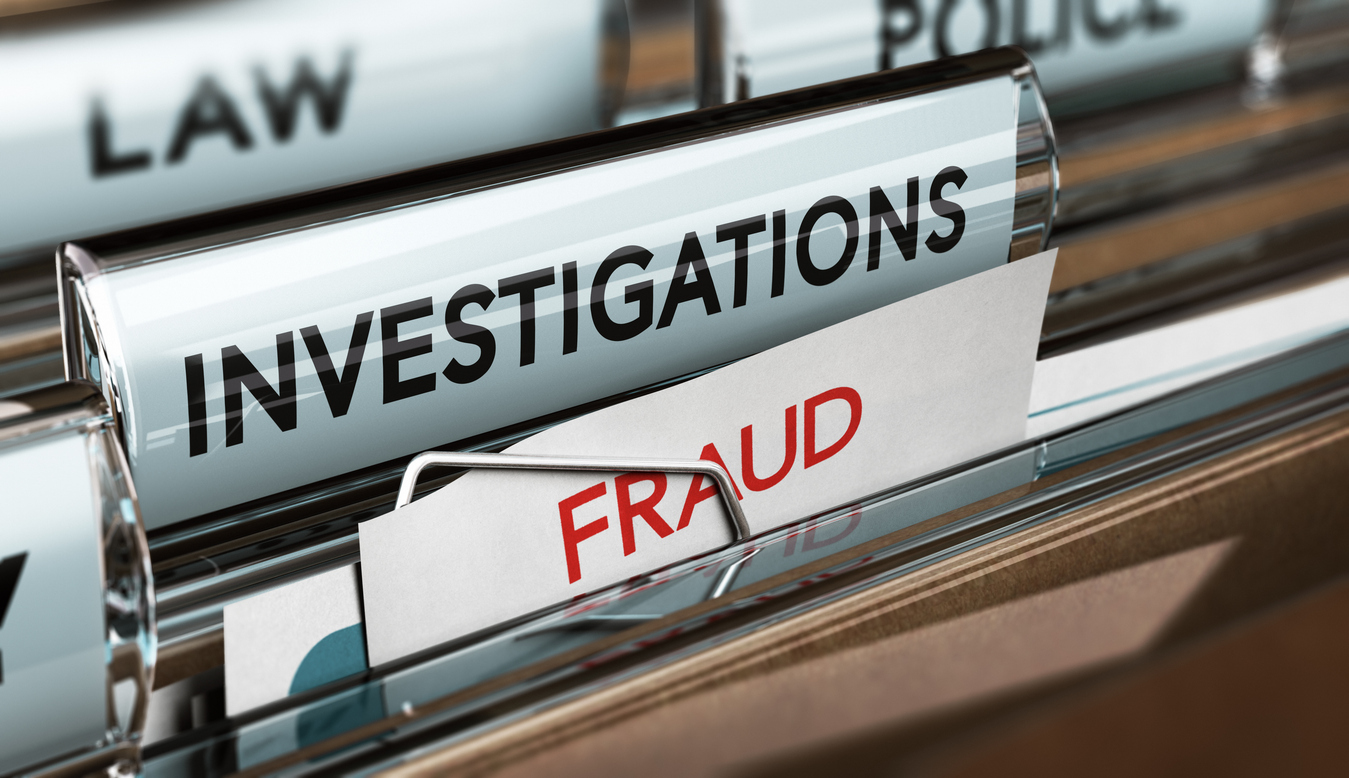
Corporate fraud remains one of the biggest operational risks for companies across Nigeria’s fast-growing markets. From financial misstatements and procurement fraud to insider theft and cyber-enabled schemes, fraudulent activity can severely damage a company’s finances, reputation, and long-term sustainability.
For businesses operating in Nigeria—whether in import/export, wholesale distribution, logistics, manufacturing, or FMCG—understanding how corporate fraud happens and how to respond effectively is essential. This is where a structured corporate fraud investigation becomes vital.
What Is Corporate Fraud Investigation?
Corporate fraud investigation is the systematic process of uncovering, analysing, and documenting fraudulent activities within an organisation. It involves reviewing financial records, examining digital evidence, interviewing key personnel, and identifying weaknesses in internal controls.
In Nigeria, fraud investigations often focus on issues such as:
-
Manipulated financial statements
-
Supply chain and procurement fraud
-
Inventory theft—common in wholesale and distribution businesses
-
Bribery and corruption during vendor selection
-
Document forgery
-
Unapproved diversion of company assets
-
Cyber fraud affecting payment systems
These issues affect both large corporations and SMEs, especially those engaged in high-volume trade where goods and finances move quickly.
Why Corporate Fraud Is Increasing in Nigeria
Nigeria’s business ecosystem is expanding rapidly, but so are the risks. Several factors contribute to rising fraud cases:
1. Weak Internal Controls
Many companies lack adequate procurement oversight, inventory management systems, or proper segregation of duties.
2. Heavy Reliance on Manual Processes
Paper-based accounting and manual stock handling increase the chances of manipulation.
3. Supply Chain Complexity
Importers, distributors, and logistics operators deal with multiple vendors, ports, warehouses, and transporters—making fraud harder to detect early.
4. Economic Pressures
Inflation and operational challenges motivate some employees or partners to exploit gaps in a company’s processes.
Businesses that do not actively monitor these risks may face financial losses or compliance penalties.
Signs Your Business May Need a Fraud Investigation
A formal corporate fraud investigation may be necessary if you notice:
-
Unexplained drops in stock levels
-
Sudden changes in supplier behaviour
-
Missing documentation or altered invoices
-
Frequent inconsistencies in financial reports
-
Employees resisting audits or transparency
-
Suspicious offshore payments or inflated procurement costs
If any of these appear repeatedly, swift action is crucial.
How Fraud Investigations Work in Nigeria
Corporate fraud investigations typically follow a structured approach:
1. Preliminary Assessment
A quick review to determine the extent of irregularities, possible suspects, and areas requiring urgent attention.
2. Data & Document Collection
Investigators gather financial statements, procurement records, warehouse logs, shipment documents, digital evidence, and communication trails.
3. Forensic Analysis
Using forensic accounting and digital forensics, investigators trace transactions, identify manipulated entries, and uncover hidden patterns.
4. Staff Interviews
Key employees, management staff, vendors, and partners may be interviewed to clarify inconsistencies.
5. Reporting & Recommendations
A final report outlines what happened, who is responsible, and the financial impact, and suggests corrective actions.
6. Recovery & Prevention Strategy
Organisations then implement stronger internal controls, supplier vetting, and monitoring tools to avoid repeat incidents.
How Wigmore Trading Supports Fraud-Resilient Operations
As a company active in import/export, wholesale distribution, procurement, and logistics across Nigeria, Wigmore Trading understands the operational vulnerabilities that can expose businesses to fraud.
We support clients by:
Enhancing Supply Chain Transparency
Our structured procurement and sourcing processes reduce the risk of inflated pricing or supplier manipulation.
Providing Reliable, Auditable Distribution Services
With clear documentation, secure warehousing, and trusted transport networks, we help prevent inventory diversion and product loss.
Offering Vendor Verification & Due Diligence
Before you engage new suppliers, Wigmore Trading can help verify legitimacy—reducing fraud risk in sourcing.
Supplying Goods with Traceable Documentation
We ensure clients receive complete shipping, customs, and delivery records for compliance and audit purposes.
Consulting on Operational Integrity
Our experience in FMCG, logistics, and cross-border trade allows us to recommend practical controls that minimise fraud opportunities.
If your business suspects irregularities—or wants to strengthen internal controls—Wigmore Trading can help you build safer, transparent operations.
Best Practices to Prevent Corporate Fraud in Nigeria
To protect your organisation from fraud, implement:
-
Strong internal controls and segregation of duties
-
Regular internal and external audits
-
Supplier due diligence and contract verification
-
Automated inventory and financial systems
-
Background checks during hiring
-
Clear whistleblowing channels
-
Continuous compliance training for staff
Fraud prevention is always more cost-effective than damage control after the fact.
When to Contact a Corporate Fraud Specialist
If you experience persistent discrepancies in stock, finances, or procurement, don’t delay a professional investigation. Early action helps:
-
Limit financial losses
-
Preserve digital evidence
-
Prevent escalation
-
Strengthen long-term compliance
Wigmore Trading works with businesses across Nigeria to create dependable, fraud-resistant supply chains.
Contact our team today to learn more.






Comments are closed.