
Difference Between Selective and Non-Selective Herbicides: Choose the Right Solution for Your Farm

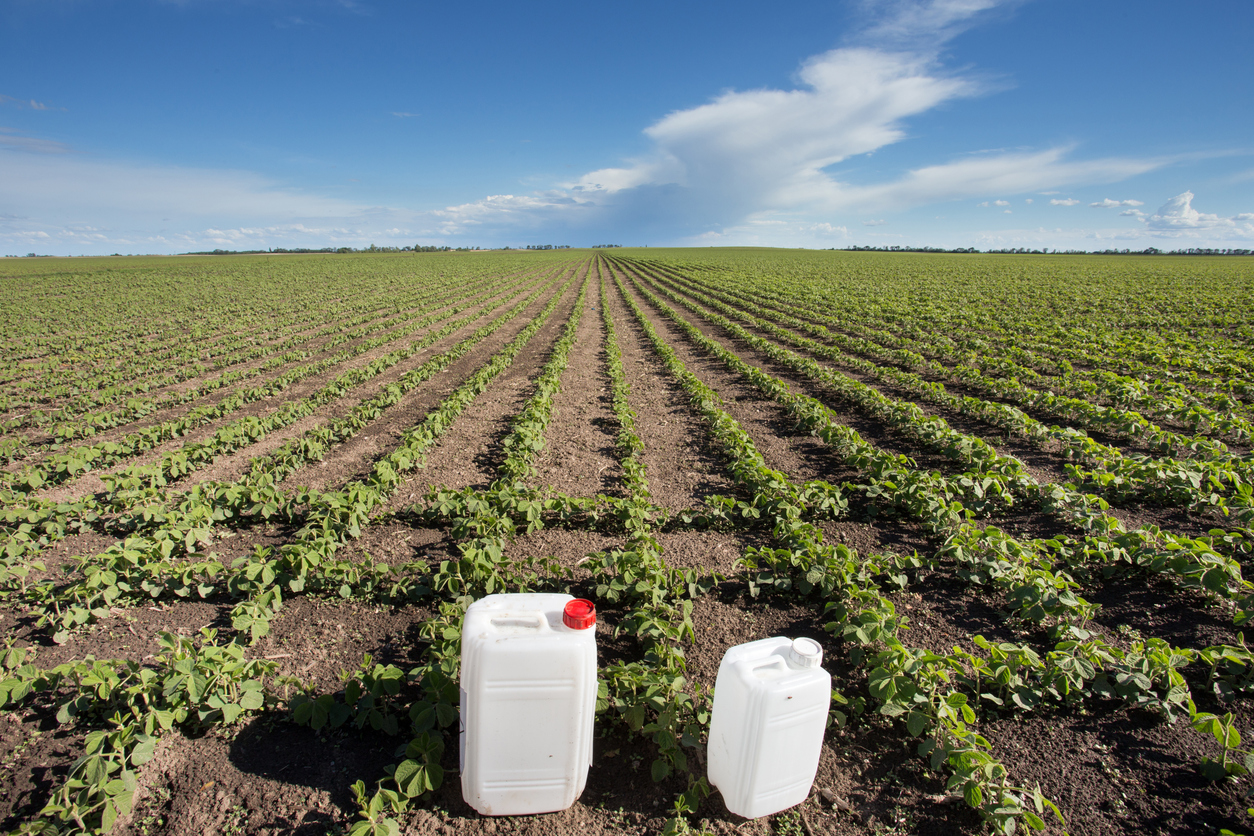
Herbicides play a critical role in modern agriculture, helping farmers, agribusinesses, and distributors manage weeds efficiently and protect crop yields. However, choosing the wrong type of herbicide can damage crops, waste money, and reduce productivity. Understanding the difference between selective and non-selective herbicides is essential for making informed purchasing and application decisions.
This guide explains how both herbicide types work, when to use them, and how Wigmore Trading can help you source reliable agrochemical solutions for African and international markets.
Understanding Herbicides in Modern Agriculture
Herbicides are chemical substances used to control or eliminate unwanted plants (weeds). They are widely used in:
-
Commercial farming
-
Smallholder agriculture
-
Plantation crops
-
Landscaping and land preparation
The two main categories are selective herbicides and non-selective herbicides, each designed for different agricultural needs.
What Are Selective Herbicides?
Selective herbicides are formulated to target specific weed species while leaving desired crops largely unharmed. They work by exploiting biological differences between plant types, such as grasses versus broadleaf plants.
Key Characteristics of Selective Herbicides
-
Kill specific weeds without affecting crops
-
Designed for use in active crop fields
-
Often crop-specific
-
Require precise application rates
Common Uses of Selective Herbicides
Selective herbicides are commonly used in:
-
Cereal crops like maize, wheat, and rice
-
Vegetable farms
-
Legume cultivation
-
Pasture and grazing lands
For example, a selective herbicide may eliminate broadleaf weeds in a maize field without harming the maize plants themselves.
What Are Non-Selective Herbicides?
Non-selective herbicides kill or damage all plants they come into contact with, regardless of species. These herbicides are powerful tools for total vegetation control.
Key Characteristics of Non-Selective Herbicides
-
Kill both weeds and crops
-
Used where complete vegetation removal is required
-
Highly effective for land clearing
-
Must be applied carefully to avoid drift
Common Uses of Non-Selective Herbicides
Non-selective herbicides are widely used for:
-
Pre-planting land preparation
-
Industrial sites and pathways
-
Plantation crop row management
-
Weed control in non-cropped areas
They are particularly useful before planting or in areas where crops are not present.
Difference Between Selective and Non-Selective Herbicides Explained
Understanding the difference between selective and non-selective herbicides helps farmers and agro-dealers choose the right product for specific scenarios.
Target Plants
-
Selective herbicides: Target specific weed species
-
Non-selective herbicides: Target all vegetation
Application Timing
-
Selective herbicides: Applied during crop growth
-
Non-selective herbicides: Often applied before planting or after harvest
Risk Level
-
Selective herbicides: Lower risk to crops when used correctly
-
Non-selective herbicides: High risk if misapplied
Cost Efficiency
-
Selective herbicides: Cost-effective for targeted weed control
-
Non-selective herbicides: Cost-effective for large-scale clearing
Choosing Between Selective and Non-Selective Herbicides
The right choice depends on your farming objectives, crop type, and stage of production.
When to Use Selective Herbicides
Choose selective herbicides if:
-
Crops are already planted
-
Weed pressure is specific
-
Crop safety is a priority
When to Use Non-Selective Herbicides
Non-selective herbicides are ideal when:
-
Preparing land for planting
-
Clearing invasive weeds
-
Managing non-cropped areas
Using the wrong herbicide can result in crop loss or reduced yields. This is why sourcing the correct product from a trusted supplier is critical.
Challenges in Herbicide Sourcing and Use
Farmers and distributors across Africa often face challenges such as:
-
Counterfeit agrochemicals
-
Inconsistent supply
-
Lack of product guidance
-
Regulatory compliance issues
These challenges can reduce effectiveness and increase operational risks.
How Wigmore Trading Can Help
Wigmore Trading supports farmers, agro-dealers, and distributors by providing access to quality-assured selective and non-selective herbicides from trusted manufacturers.
What Wigmore Trading Offers
-
Sourcing of genuine agrochemical products
-
Support for bulk and wholesale buyers
-
Export and import logistics across Africa
-
Guidance on selecting suitable herbicides
Whether you need selective herbicides for crop protection or non-selective solutions for land preparation, Wigmore Trading can help streamline your sourcing process.
Get in touch with our team to learn more about reliable agrochemical supply solutions tailored to your market.
Final Thoughts
Understanding the difference between selective and non-selective herbicides is essential for effective weed management, cost control, and crop safety. Each herbicide type serves a distinct purpose, and using them correctly can significantly improve agricultural outcomes.
For dependable supply, expert guidance, and seamless logistics, contact Wigmore Trading today to streamline your agrochemical sourcing.




Comments are closed.