
PPP Funding Mechanisms: A Practical Guide for African Businesses

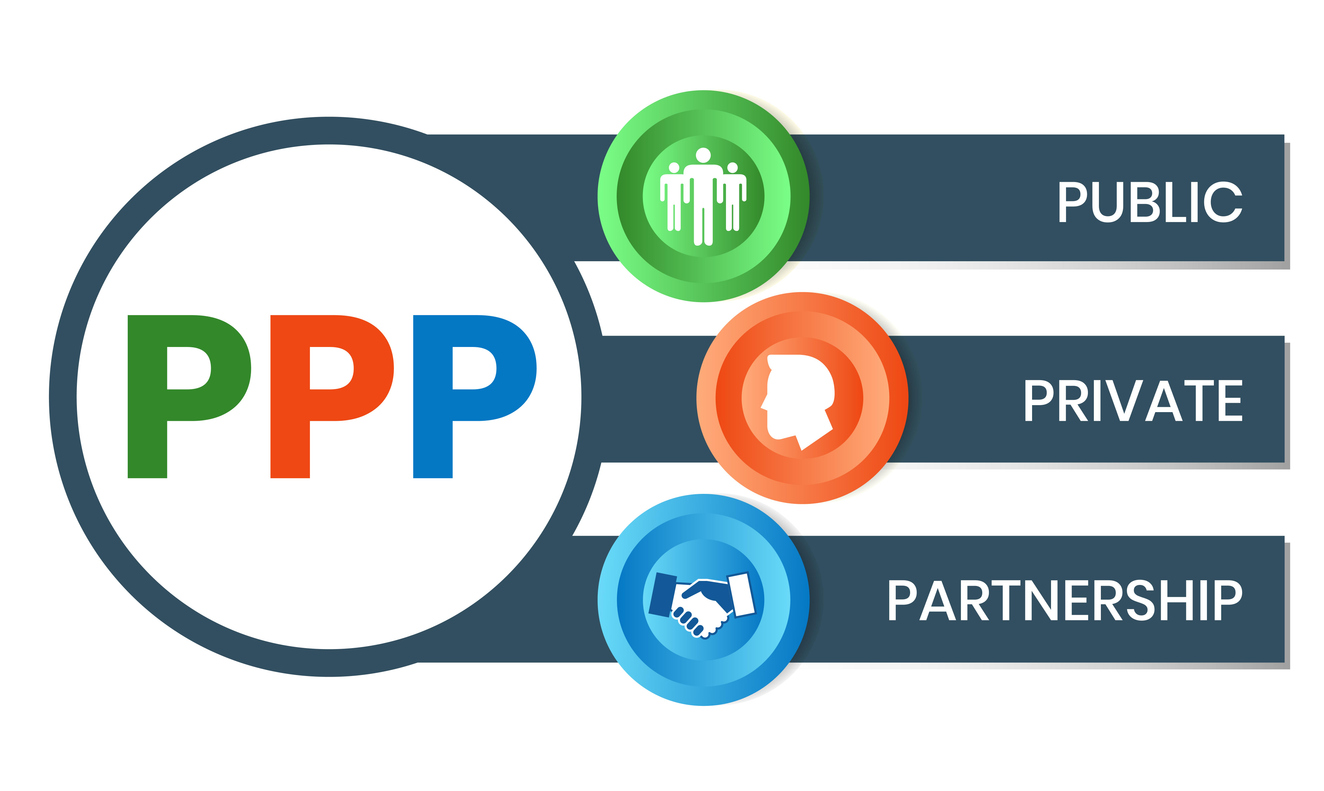
Public–Private Partnerships (PPPs) are reshaping how infrastructure, logistics and even FMCG projects are funded across Africa. Understanding PPP funding mechanisms helps businesses like importers, exporters and distributors position themselves to win contracts and long-term supply opportunities.
What Are PPP Funding Mechanisms?
PPP funding mechanisms are the structures and tools used to finance projects delivered jointly by government and private partners.
Instead of government paying for everything upfront, PPPs blend:
-
Public finance (budget allocations, grants, guarantees)
-
Private capital (equity and debt from investors and banks)
-
Support from development finance institutions (DFIs) and multilaterals
For companies operating in trade and logistics, understanding these mechanisms can reveal where new roads, ports, warehouses, and industrial facilities will emerge – and how to participate in the value chain.
Why PPP Funding Mechanisms Matter for African Trade
For African markets, PPPs are critical because they:
-
Bridge infrastructure gaps – ports, dry ports, roads, power, and storage that support trade
-
Reduce pressure on public budgets – governments spread costs over time
-
Attract international capital – DFIs and private investors bring funding and expertise
-
Improve service quality – private partners are incentivised to operate efficiently
For a trading company, PPP-backed projects often mean:
-
New or upgraded logistics corridors
-
More reliable warehousing and cold chain facilities
-
Better port and border efficiencies
Wigmore Trading can help businesses leverage these new assets through integrated sourcing, distribution and logistics support across Africa.
Core Types of PPP Funding Mechanisms
1. Government Budget Contributions
In many PPPs, government still contributes a portion of the funding through:
-
Upfront capital contributions
-
Land or existing assets
-
Tax incentives or exemptions
These contributions make projects more attractive and bankable for private investors, especially in less developed markets.
2. Private Equity and Commercial Debt
Private partners typically invest:
-
Equity – capital put at risk by sponsors
-
Debt – loans from commercial banks or bond investors
This mix allows projects to scale quickly. For FMCG and distribution hubs, private investors may fund modern warehouses, cold rooms, and logistics facilities that support regional trade.
Wigmore Trading works with such facilities to move goods efficiently, reducing stockouts and lead times for clients.
Risk-Sharing PPP Funding Mechanisms
3. Viability Gap Funding (VGF)
Sometimes a project is socially important but not fully commercially viable (for example, logistics infrastructure in low-income regions).
Viability Gap Funding is a grant or subsidy from government or donors that:
-
Covers part of the upfront capital cost
-
Improves project cash flows
-
Helps keep user charges affordable
This PPP funding mechanism makes critical trade infrastructure possible where pure private finance would not be enough.
4. Guarantees and Risk Mitigation Instruments
PPP investors worry about risks like currency fluctuations, regulatory changes or payment defaults. To reduce these risks, governments and DFIs can provide:
-
Partial risk guarantees
-
Revenue or minimum off-take guarantees
-
Political risk insurance
These instruments unlock more private capital for ports, industrial parks, and logistics corridors that support import–export flows. Businesses like Wigmore Trading benefit from more stable, reliable trade routes.
Blended Finance in PPP Funding Mechanisms
5. Concessional Finance and DFIs
Development finance institutions and multilateral banks often provide:
-
Concessional loans at below-market interest rates
-
Longer tenors than commercial banks
-
Technical assistance and project preparation support
This blended finance approach lowers overall project cost and helps structure complex PPPs, such as cross-border transport corridors or strategic storage facilities for food and essential goods.
Wigmore Trading can plug into these PPP-backed networks to:
-
Source products more competitively
-
Ensure predictable delivery schedules
-
Support regional expansion for clients
Revenue Models in PPP Funding Mechanisms
6. User-Pay Models
In many PPPs, the private partner recovers investment through user charges, such as:
-
Port and handling fees
-
Toll road charges
-
Storage, warehousing and cold-room fees
Businesses using these facilities need to factor these costs into landed costs and pricing strategies. Wigmore Trading helps clients model total cost-to-market and select the most efficient routes and facilities.
7. Availability Payments
In other PPP funding mechanisms, government pays the private partner based on availability and performance, not user fees.
For example, the private partner receives fixed payments if:
-
Warehouses remain fully operational
-
Roads meet defined service levels
-
Power or cold-chain standards are maintained
This model is especially useful where traffic volumes or usage levels are uncertain, but the service is essential for trade and food security.
How Businesses Can Position Themselves Around PPP Funding
To benefit from PPP-funded infrastructure, businesses should:
-
Track upcoming PPP projects in ports, warehouses, industrial parks and logistics
-
Analyse how new assets will change routes, costs and delivery times
-
Build partnerships early with operators of PPP facilities
-
Prepare to meet higher compliance, documentation and service standards
Wigmore Trading can help by:
-
Mapping PPP-backed logistics options across West and Central Africa
-
Integrating new facilities into your sourcing and distribution plans
-
Managing customs, documentation and last-mile delivery
Contact Wigmore Trading today to streamline your sourcing and make the most of PPP-backed trade infrastructure.
Wigmore Trading’s Role in PPP-Enabled Supply Chains
Wigmore Trading operates at the intersection of trade, logistics and infrastructure. While it does not directly provide PPP finance, it:
-
Leverages PPP-funded ports, roads and warehouses to optimise supply chains
-
Supports FMCG, bulk commodities and general merchandise traders
-
Connects African buyers to global suppliers and vice versa
-
Helps businesses navigate regulatory, customs and logistics complexity
When PPP funding mechanisms unlock new capacity in a region, Wigmore Trading can help you be among the first to benefit.
Wigmore Trading can help. Get in touch with our team to learn more.




Comments are closed.