
Need Durable Commercial Furniture? Why Custom Furniture Design in Nigeria Works Best

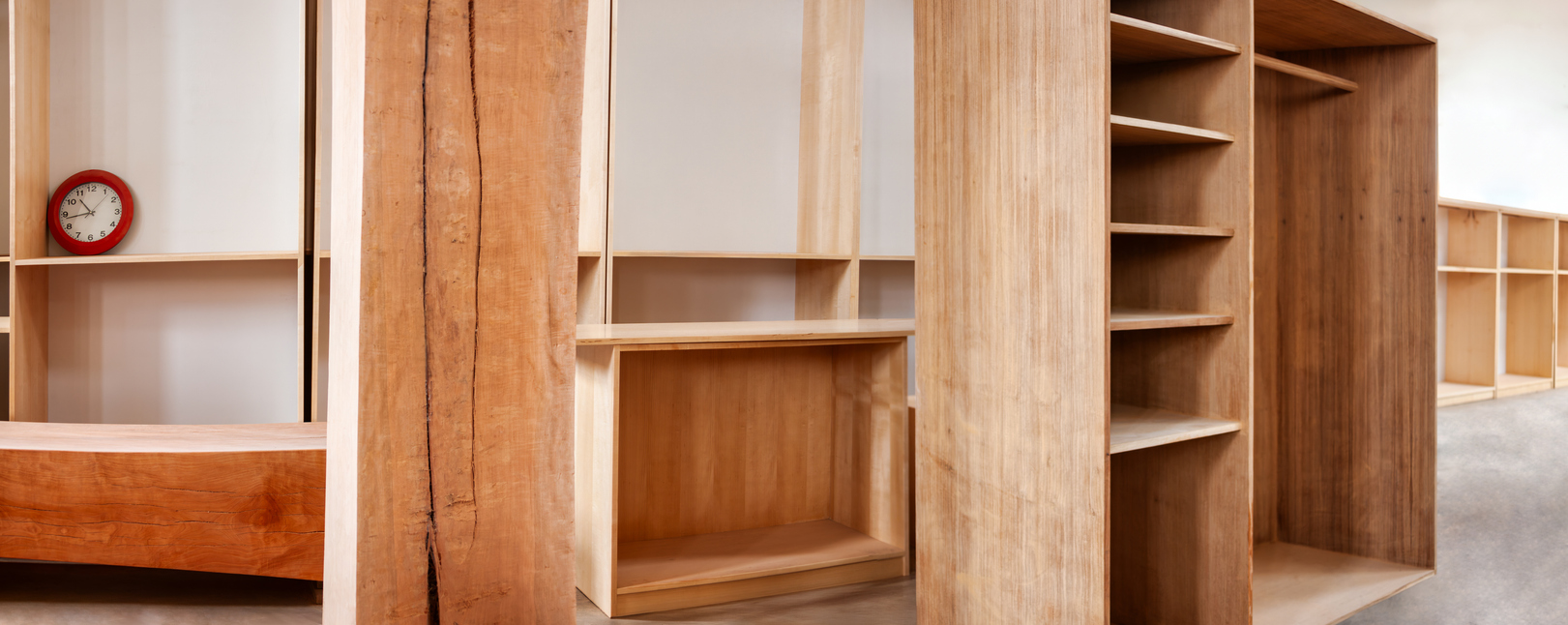
Nigeria’s fast-growing economy is reshaping how offices, hotels, retailers, and homeowners think about space. Off-the-shelf furniture often can’t meet the functional, branding, and durability needs of modern businesses. That’s where custom furniture design in Nigeria becomes a strategic advantage—not just a style choice.
In this guide, we’ll explore how companies can approach custom furniture projects more efficiently, and how Wigmore Trading can support you with sourcing, production coordination, and logistics.
Why Custom Furniture Design in Nigeria Is Growing
Several trends are driving demand for custom furniture design in Nigeria:
-
Brand-focused spaces: Banks, FMCG companies, and retail chains want spaces that reflect their brand colours, values, and customer journey.
-
Irregular spaces: Many commercial properties in Lagos, Abuja, and Port Harcourt have unique layouts. Custom furniture maximises usable space.
-
Durability needs: Heavy daily use in offices, hotels, and restaurants demands stronger materials and higher-quality finishes.
-
Local and regional expansion: Nigerian brands expanding across West Africa want consistent furniture standards across multiple locations.
For importers, wholesalers, and procurement managers, custom furniture can deliver better long-term value than standard catalogue items—if it’s managed properly from design to delivery.
Key Benefits of Custom Furniture for Nigerian Businesses
1. Better Use of Space
Custom furniture design in Nigeria lets you tailor pieces to exact dimensions:
-
Built-in storage for small offices
-
Wall-to-wall shelving for supermarkets or pharmacies
-
Space-efficient workstations for open-plan corporate floors
This is especially valuable in high-rent locations like Victoria Island or Lekki, where every square metre counts.
2. Stronger Brand Identity
For customer-facing environments—showrooms, quick-service restaurants, retail outlets—furniture is part of your brand experience:
-
Reception desks in brand colours
-
Display units designed around specific product packaging
-
Restaurant seating that reflects your concept (family, premium, fast casual)
With the right supplier network, Wigmore Trading can help you source custom pieces that align with your brand guidelines and rollout plans.
3. Optimised for Function and Durability
Generic furniture is rarely designed for Nigerian usage patterns: high traffic, variable power and climate conditions, and heavy cleaning cycles. Custom furniture can be specified with:
-
Higher-density boards and reinforced joints
-
Moisture-resistant finishes
-
Commercial-grade fabrics and foams
-
Easy-to-clean surfaces suitable for FMCG, hospitality, and healthcare environments
Wigmore Trading can assist in selecting appropriate materials that balance durability, cost, and availability.
Types of Custom Furniture Nigerian Businesses Commonly Require
Custom Office Furniture Design in Nigeria
Corporate offices and service centres often need:
-
Modular workstations
-
Conference and training tables
-
Ergonomic chairs and executive desks
-
Storage solutions (lockers, filing, back-of-house shelving)
Wigmore Trading can coordinate local or international sourcing to match your specification, whether you need premium executive pieces or scalable mid-range solutions.
Hospitality and Hotel Furniture
Hotels, serviced apartments, and lounges typically require:
-
Bed frames, headboards, and bedside units
-
Wardrobes and TV consoles
-
Restaurant and bar seating
-
Outdoor furniture with weather-resistant finishes
Consistency across multiple rooms and properties is critical. Wigmore Trading can help standardise designs and manage repeat production.
Retail and FMCG Display Furniture
For supermarkets, pharmacies, and branded kiosks, custom furniture design in Nigeria supports:
-
Gondola shelving
-
Checkout counters
-
Branded display stands and end-caps
-
Chilled and ambient product display integration
Here, function and brand visibility must go hand-in-hand. Wigmore Trading can help align display furniture design with merchandising plans and supply chain requirements.
Challenges in Custom Furniture Design and How to Reduce Risk
Custom projects can go wrong without proper planning. Typical challenges include:
-
Vague specifications leading to inconsistent quality
-
Poor material choices unsuited to commercial use
-
Delays in production and delivery
-
Hidden logistics costs, especially for large or multi-branch projects
To reduce risk:
-
Define clear specifications: Dimensions, materials, finishes, colours, fittings, and expected usage.
-
Set realistic timelines: Include design sign-off, prototyping, production, and shipping.
-
Plan logistics early: Access restrictions, high-rise deliveries, island locations, and cross-border moves all need planning.
-
Work with a coordinator: Instead of managing multiple small workshops alone, partner with a trading and sourcing specialist.
Wigmore Trading can help at each stage—from vendor selection to final delivery.
How Wigmore Trading Supports Custom Furniture Design in Nigeria
Wigmore Trading is well-placed to assist businesses that want to scale or standardise their custom furniture design in Nigeria.
1. Sourcing and Vendor Management
Wigmore Trading can:
-
Identify and qualify reliable furniture makers and manufacturers
-
Match your budget and quality requirements to the right production partners
-
Coordinate bulk orders for multi-branch organisations or regional rollouts
This reduces the time your internal team spends on supplier search, negotiation, and follow-up.
2. Material and Specification Guidance
Choosing the wrong materials can shorten the life of your furniture. Wigmore Trading can advise on:
-
Suitable boards, metals, and fabrics for high-traffic environments
-
Finish types that withstand Nigerian climate and cleaning practices
-
Options for balancing cost with performance across large projects
If you’re unsure about technical terms, Wigmore Trading can help translate designer drawings into practical, manufacturable specifications.
3. Import, Export, and Logistics Support
For projects that require imported fittings, specialised hardware, or region-wide distribution, Wigmore Trading can:
-
Manage imports of selected components or finished furniture
-
Consolidate shipments to reduce freight costs
-
Handle inland distribution from port to warehouses and final sites
-
Support cross-border movements within West and Central Africa
This is especially valuable for procurement and logistics managers who need a single point of contact rather than multiple carriers and brokers.
4. Consistent Rollouts for Growing Brands
If you are expanding outlets across Nigeria or into neighbouring countries, Wigmore Trading can help:
-
Standardise furniture specifications across locations
-
Plan phased deliveries in line with your construction schedule
-
Maintain continuity of supply for replacements and new outlets
For growing retail chains, hospitality groups, and FMCG brands, this consistency is key to maintaining a professional, recognisable look.
Practical Steps to Start Your Custom Furniture Project
If you’re exploring custom furniture design in Nigeria for your business, here’s a simple way to start:
-
List your spaces: Offices, branches, outlets, or rooms needing furniture.
-
Prioritise functions: What must each area do—serve customers, store stock, host meetings, etc.?
-
Gather references: Photos, sketches, or brand guidelines that show the look and feel you want.
-
Set a budget range: Per outlet, per room, or for the entire project.
-
Share your brief: Send your requirements to Wigmore Trading for review and next steps.
Wigmore Trading can help you refine your brief, suggest material options, and outline a sourcing and logistics plan that fits your timelines.
Wigmore Trading can help.
Contact Wigmore Trading today to streamline your sourcing and custom furniture projects across Nigeria and beyond.





Comments are closed.