
Polypropylene Properties Explained: Why This Plastic Dominates Global Trade

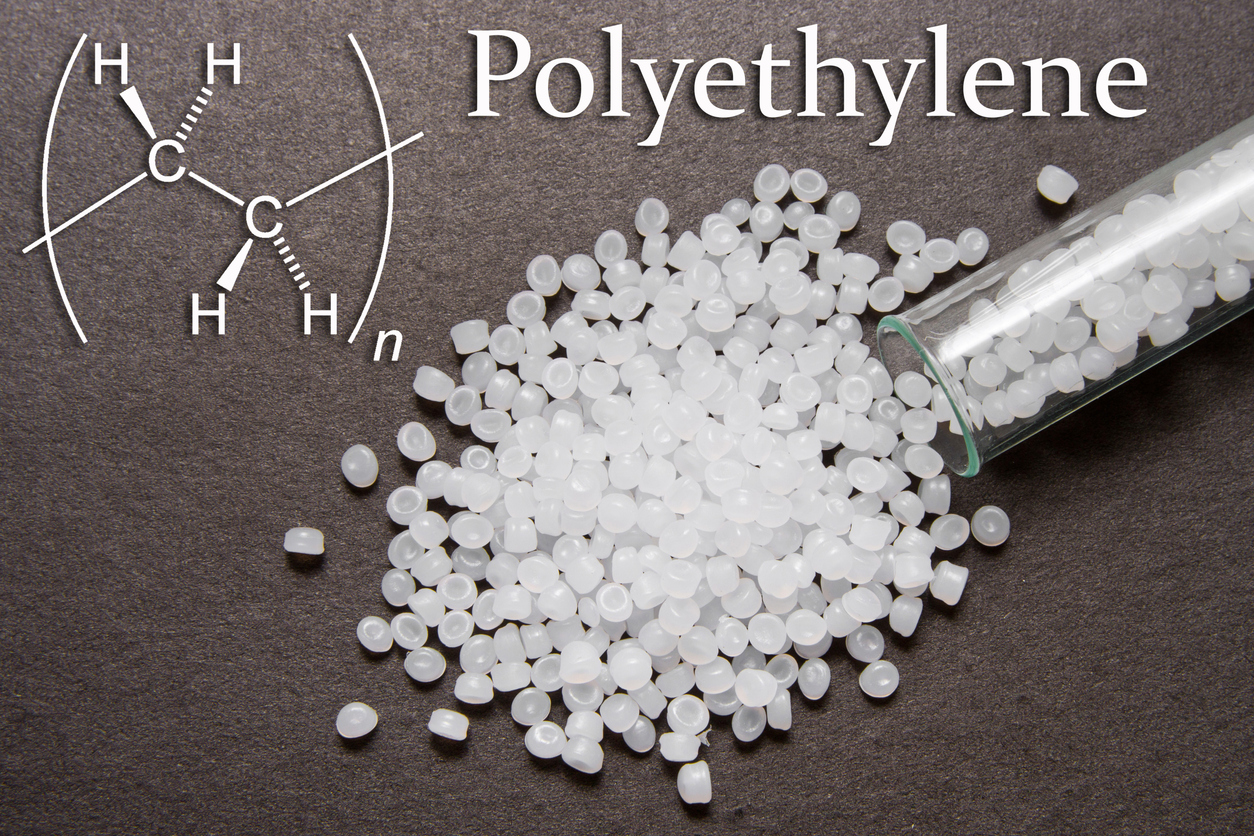
Polypropylene (PP) is one of the most widely used thermoplastics in the world. Its popularity spans industries such as packaging, automotive, textiles, construction, and FMCG. Understanding polypropylene properties is essential for importers, exporters, manufacturers, and distributors who rely on durable, cost-effective, and versatile materials.
For businesses sourcing polymers at scale, selecting the right grade of polypropylene can directly impact product performance, compliance, and profitability. Wigmore Trading supports companies across Africa and global markets by sourcing and supplying high-quality polypropylene materials suited to diverse industrial needs.
What Is Polypropylene and Why Its Properties Matter
Polypropylene is a thermoplastic polymer made from propylene monomers. It is known for its balance of strength, flexibility, and chemical resistance. These polypropylene properties make it suitable for both rigid and flexible applications, from food containers to industrial components.
For traders and manufacturers, understanding these properties helps ensure the material aligns with end-use requirements, regulatory standards, and environmental conditions.
Key Polypropylene Properties That Drive Demand
Mechanical Strength and Durability
One of the most important polypropylene properties is its high tensile strength relative to weight. Polypropylene is lightweight yet tough, making it ideal for products that require durability without excessive material cost. It also has excellent fatigue resistance, which is why it is commonly used in hinges, caps, and closures.
Wigmore Trading can help businesses source polypropylene grades tailored for high-strength or repetitive-use applications.
Chemical Resistance and Moisture Protection
Polypropylene offers strong resistance to acids, alkalis, and many solvents. It does not absorb moisture, which makes it highly suitable for packaging, chemical containers, and products exposed to humid environments.
For importers supplying African markets where climate conditions vary widely, these polypropylene properties are especially valuable. Wigmore Trading works with trusted manufacturers to ensure consistent quality and chemical stability.
Thermal Properties of Polypropylene
Polypropylene has a relatively high melting point compared to other common plastics, typically around 160–170°C. This allows it to withstand hot-fill processes and moderate heat exposure without deformation.
However, polypropylene can become brittle at very low temperatures. Choosing the correct grade is critical for cold-chain logistics or outdoor use. Wigmore Trading assists clients in identifying the most suitable polypropylene grades for their operating environments.
Polypropylene Properties in Packaging and FMCG Applications
The FMCG sector relies heavily on polypropylene due to its food-safe nature, clarity options, and recyclability. Polypropylene properties such as low density, odor resistance, and ease of molding make it a preferred choice for:
-
Food containers and packaging films
-
Bottle caps and closures
-
Woven sacks and bulk packaging
For FMCG distributors and manufacturers, sourcing compliant and consistent polypropylene is essential. Wigmore Trading helps streamline this process by connecting buyers with reliable global suppliers.
Polypropylene Properties in Industrial and Automotive Uses
In industrial and automotive sectors, polypropylene is valued for its impact resistance and ability to be reinforced with fillers like glass fibers. These enhanced polypropylene properties allow manufacturers to replace heavier materials such as metal, improving fuel efficiency and reducing costs.
Common applications include:
-
Automotive interior panels
-
Battery cases
-
Industrial storage bins
Wigmore Trading supports bulk buyers and industrial clients by managing sourcing, quality checks, and export logistics.
Sustainability and Recyclability of Polypropylene
Another advantage of polypropylene properties is recyclability. Polypropylene is classified as recycling code #5 and can be reused in various secondary applications. As sustainability becomes more important in global trade, recyclable plastics like polypropylene are gaining preference.
Businesses looking to align with environmental standards can work with Wigmore Trading to source recyclable and responsibly produced polypropylene materials.
Challenges When Sourcing Polypropylene and How to Solve Them
Despite its advantages, sourcing polypropylene can present challenges such as:
-
Inconsistent material quality
-
Price volatility in global resin markets
-
Regulatory compliance for food or medical use
Wigmore Trading helps mitigate these risks by leveraging established supplier networks, conducting due diligence, and managing cross-border logistics efficiently.
Why Understanding Polypropylene Properties Supports Better Trade Decisions
For importers, exporters, and manufacturers, understanding polypropylene properties leads to better product selection, reduced waste, and improved customer satisfaction. Selecting the wrong grade can result in product failure or higher costs.
With experience across African and international markets, Wigmore Trading can help businesses make informed sourcing decisions that match both technical and commercial requirements.
Final Thoughts
Polypropylene remains a cornerstone material in global trade due to its versatility, durability, and cost efficiency. From packaging to industrial manufacturing, its properties support a wide range of applications.
If your business needs reliable polypropylene sourcing or trade support, Wigmore Trading can help.
Get in touch with our team to learn more about sourcing solutions tailored to your industry.


Comments are closed.