
Sulfur Dioxide SDS: Key Safety Information for Buyers and Handlers

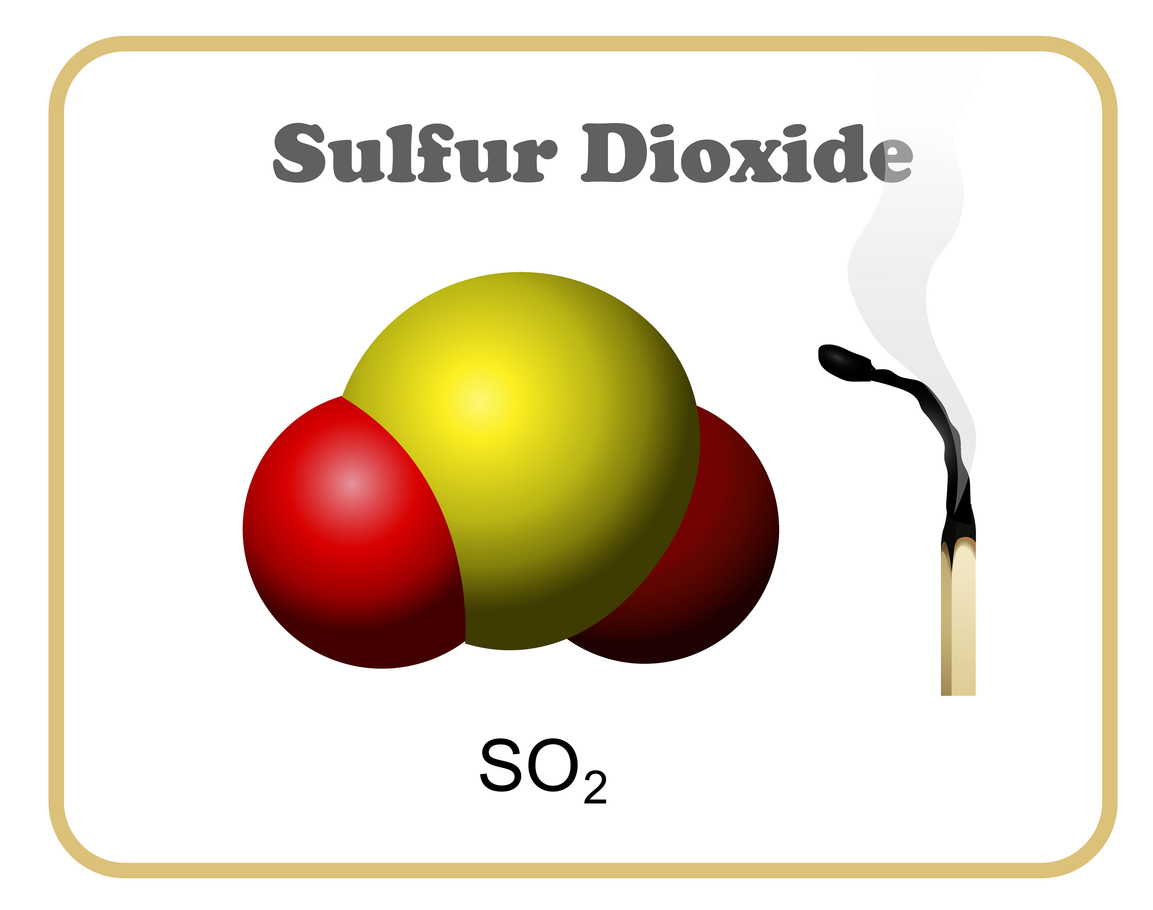
When you buy or move industrial chemicals like sulfur dioxide (SO₂), understanding the Safety Data Sheet (SDS) isn’t optional – it’s essential. For importers, distributors, and manufacturers, the sulfur dioxide SDS is a core document for compliance, risk management, and safe operations. Wigmore Trading can help you not just source sulfur dioxide, but also navigate the safety and documentation that come with it.
What Is Sulfur Dioxide and Why the SDS Matters
Sulfur dioxide is a colourless, non-flammable gas with a sharp, choking odour. It is widely used in:
-
Food and beverage (as a preservative and antioxidant)
-
Chemical manufacturing
-
Pulp and paper processing
-
Water treatment and fumigation
Despite its usefulness, sulfur dioxide is classified as a toxic and corrosive gas that can cause severe irritation to the respiratory system and eyes at relatively low concentrations. That’s why the sulfur dioxide SDS is a critical document for anyone storing, transporting, or using it.
The SDS provides a standardized summary of hazards, handling, storage, and emergency measures. For businesses across Africa and beyond, having the correct SDS supports regulatory compliance, worker training, and safe logistics. Wigmore Trading works with reliable producers and can supply sulfur dioxide along with the required documentation.
Understanding the Key Sections of a Sulfur Dioxide SDS
A typical sulfur dioxide SDS is structured into 16 sections. For buyers and operators, some sections are especially important:
1. Identification (Product and Supplier)
This section confirms:
-
Product name: Sulfur Dioxide (SO₂)
-
Recommended uses and restrictions
-
Supplier details and emergency contact numbers
When sourcing through Wigmore Trading, this information helps align supply contracts, labels, and shipping papers with the SDS, reducing errors at ports and during inspections.
2. Hazards Identification – Sulfur Dioxide SDS Essentials
In the hazards section of a sulfur dioxide SDS, you’ll usually see:
-
GHS classification: Acute toxicity (inhalation), Skin corrosion/irritation, Serious eye irritation
-
Signal word: Danger
-
Hazard statements such as “Toxic if inhaled” and “Causes severe skin burns and eye damage”
-
Precautionary statements about avoidance of inhalation, use of PPE, and emergency actions
For logistics and warehouse teams, this is the first area to review. It drives your risk assessments, PPE requirements, and ventilation needs.
3. Composition and First-Aid Measures
The sulfur dioxide SDS will confirm the substance is typically supplied as a pure gas (or liquefied under pressure). First-aid guidance is then tailored to inhalation and contact risks, for example:
-
Inhalation: Move the person to fresh air, keep them at rest, seek medical attention.
-
Skin/eye contact: Rinse with plenty of water for several minutes, remove contaminated clothing, get medical help.
Training your staff with these steps in mind can significantly reduce the impact of an incident. Wigmore Trading can help ensure you receive a consistent SDS in the correct language for your market, helping you roll out effective training.
Storage, Handling and Transport: What the SDS Tells You
Safe Handling Guidance in the Sulfur Dioxide SDS
This section covers how to work with sulfur dioxide safely in day-to-day operations. Typical recommendations include:
-
Use only in well-ventilated or controlled areas
-
Avoid breathing gas or vapours
-
Use appropriate PPE, such as chemical-resistant gloves, eye/face protection, and respiratory protection where needed
-
Implement gas detection and local exhaust where sulfur dioxide is used frequently
For businesses importing into African ports or supplying regional factories, these measures should feed directly into your Standard Operating Procedures (SOPs).
Storage and Transport Considerations
The sulfur dioxide SDS will also outline:
-
Storage in tightly closed, corrosion-resistant cylinders or tanks
-
Protecting containers from physical damage and extreme temperatures
-
Proper segregation from incompatible materials such as strong oxidising agents, alkalis, or moist air (to limit corrosion and secondary reactions)
-
Relevant transport classifications (e.g. UN number, class, and packing group)
Incorrect labelling or storage can delay shipments, increase demurrage at ports, or even lead to rejected cargo. Working with an experienced distributor like Wigmore Trading helps ensure your sulfur dioxide arrives with compliant labels, SDS documentation, and correct packaging for international and regional transport.
Building a Safety and Compliance Culture Around Sulfur Dioxide SDS
Using the SDS for Training and Risk Assessment
The sulfur dioxide SDS is not just a filing requirement – it should be actively used to:
-
Train staff on hazards and emergency response
-
Develop workplace signage and labelling
-
Inform risk assessments and method statements
-
Set requirements for PPE, ventilation, and detection systems
For companies scaling production or expanding exports, keeping SDS documents aligned across sites and suppliers can be challenging. Wigmore Trading can help by working with established producers and shipping partners who provide standardised and regularly updated SDS documentation.
Why Work with Wigmore Trading on Sulfur Dioxide Supply?
When sourcing sulfur dioxide, you need more than just product availability. You also need:
-
Reliable, compliant SDS and supporting documentation
-
Correct packaging (cylinders, tanks, or bulk supply)
-
Coordination across shipping, customs, and inland transport
-
Support in aligning the sulfur dioxide SDS with your local regulatory framework
Wigmore Trading specialises in cross-border trade and distribution, particularly across African markets. Our team can help you source sulfur dioxide from trusted suppliers, handle the logistics, and ensure you receive all necessary safety and technical documentation.
Next Steps for Your Sulfur Dioxide SDS and Supply
If your business relies on sulfur dioxide—whether for food processing, industrial manufacturing, or chemical formulation—your SDS is one of your most important documents. Make sure it is:
-
Up-to-date and aligned with your current supplier
-
Available in all relevant languages
-
Integrated into staff training and emergency response plans
If you’re changing suppliers, starting a new plant, or expanding into new markets, Wigmore Trading can help.
Contact Wigmore Trading today to streamline your sulfur dioxide sourcing, documentation, and delivery. Get in touch with our team to learn more.




Comments are closed.