
Are You Managing Sodium Thiosulfate Safely? Key Hazards and Risk Controls

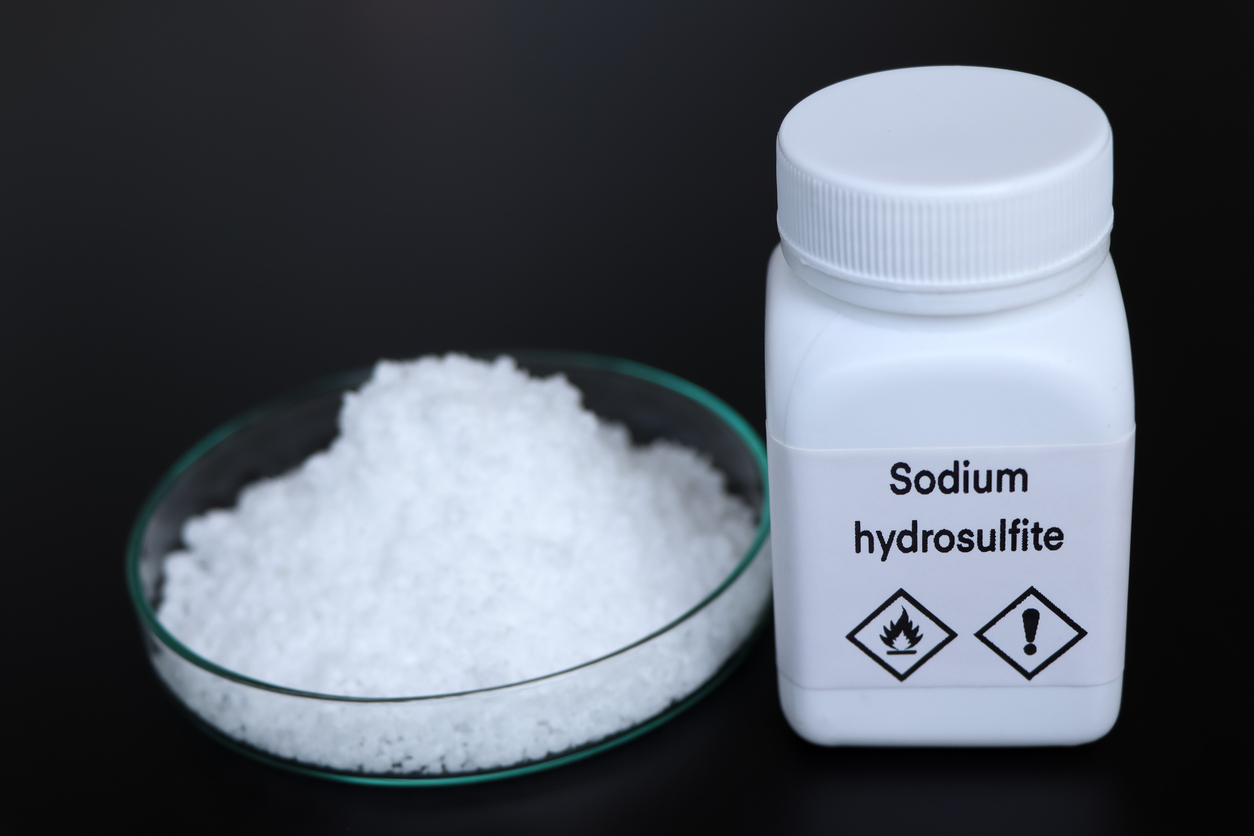
Sodium thiosulfate is widely used across industries, from water treatment and photography to chemical manufacturing, mining, and healthcare. While it is generally considered a low-toxicity chemical, sodium thiosulfate hazards still exist—particularly when the substance is mishandled, improperly stored, or transported without adequate controls.
For importers, distributors, and industrial users across Africa and global markets, understanding these hazards is essential for compliance, workplace safety, and supply chain efficiency. Wigmore Trading supports businesses by sourcing high-quality sodium thiosulfate and ensuring safe, compliant delivery.
What Is Sodium Thiosulfate?
Sodium thiosulfate is an inorganic compound commonly supplied as a crystalline solid or in solution form. It is used for:
-
Dechlorination in water treatment
-
Gold extraction in mining
-
Medical applications, including cyanide poisoning treatment
-
Textile processing and dyeing
-
Chemical manufacturing and laboratory work
Despite its versatility, sodium thiosulfate hazards should not be overlooked, especially in large-scale industrial environments.
Key Sodium Thiosulfate Hazards to Be Aware Of
Health Hazards of Sodium Thiosulfate
Sodium thiosulfate is generally regarded as having low acute toxicity, but exposure risks still exist.
Potential health effects include:
-
Skin and eye irritation from direct contact
-
Respiratory irritation if dust is inhaled in poorly ventilated areas
-
Gastrointestinal discomfort if ingested accidentally
In industrial settings, prolonged exposure to sodium thiosulfate dust may increase the risk of irritation. Using appropriate personal protective equipment (PPE) such as gloves, goggles, and dust masks significantly reduces these risks.
Wigmore Trading works with reputable manufacturers to ensure consistent product quality and proper safety documentation, helping businesses manage exposure risks effectively.
Chemical Reactivity and Stability Risks
One of the lesser-known sodium thiosulfate hazards involves chemical reactivity.
Sodium thiosulfate can:
-
Decompose when exposed to strong acids, releasing sulfur dioxide gas
-
React with oxidizing agents, increasing fire or reaction risks
-
Break down under high heat or prolonged moisture exposure
These risks make correct storage conditions essential. Products should be stored in cool, dry, well-ventilated areas away from incompatible substances.
Sodium Thiosulfate Storage and Handling Hazards
Improper handling is one of the most common sources of sodium thiosulfate hazards in supply chains.
Key handling considerations include:
-
Avoiding dust generation during transfer
-
Using sealed, clearly labeled containers
-
Ensuring spill response procedures are in place
-
Training staff on safe chemical handling protocols
For importers and wholesalers, packaging integrity during transit is critical. Wigmore Trading supports clients by coordinating compliant packaging, labeling, and documentation to minimize risk during shipping and storage.
Environmental Hazards of Sodium Thiosulfate
While sodium thiosulfate is often considered environmentally manageable, uncontrolled release can still pose risks.
Potential environmental concerns include:
-
Oxygen depletion in water bodies if discharged in large quantities
-
Disruption of aquatic ecosystems due to sulfur compounds
-
Soil contamination if spills are not promptly managed
Businesses involved in water treatment, mining, or manufacturing should follow local environmental regulations regarding disposal and wastewater management. Working with experienced chemical suppliers helps ensure compliance across jurisdictions.
Transportation and Import Compliance Risks
For companies importing sodium thiosulfate into African and international markets, regulatory compliance is a major concern.
Risks include:
-
Incorrect customs classification
-
Missing or inaccurate Safety Data Sheets (SDS)
-
Non-compliant packaging for maritime or road transport
-
Delays due to regulatory inspections
Wigmore Trading helps mitigate these sodium thiosulfate hazards by managing logistics, documentation, and supplier vetting. This reduces the risk of shipment delays, fines, or rejected consignments.
Best Practices to Reduce Sodium Thiosulfate Hazards
Reducing sodium thiosulfate hazards requires a combination of proper sourcing, training, and logistics management.
Recommended best practices:
-
Source from verified, quality-controlled suppliers
-
Maintain up-to-date SDS and compliance records
-
Train staff on handling, storage, and emergency response
-
Use reliable logistics partners familiar with chemical transport
Wigmore Trading can help streamline sourcing and delivery while supporting safe handling standards across your supply chain.
Why Supplier Choice Matters
Many risks associated with sodium thiosulfate arise not from the chemical itself, but from inconsistent quality, contamination, or poor logistics. Choosing a trusted supplier reduces these risks significantly.
Wigmore Trading supports importers, distributors, and industrial users by providing:
-
Consistent product quality
-
Regulatory-aware logistics solutions
-
Experience across African and global trade routes
-
Reliable sourcing for industrial and FMCG applications
If you are managing sodium thiosulfate at scale, the right partner makes a measurable difference.
Final Thoughts
Understanding sodium thiosulfate hazards is essential for safe, compliant, and efficient operations. While the compound is widely used and generally low-risk, improper handling, storage, or transport can create avoidable health, environmental, and regulatory challenges.
Wigmore Trading can help. Get in touch with our team to learn more about safe sourcing and compliant delivery of sodium thiosulfate.




Comments are closed.