
Optimising PE Manufacturing for African Supply Chains

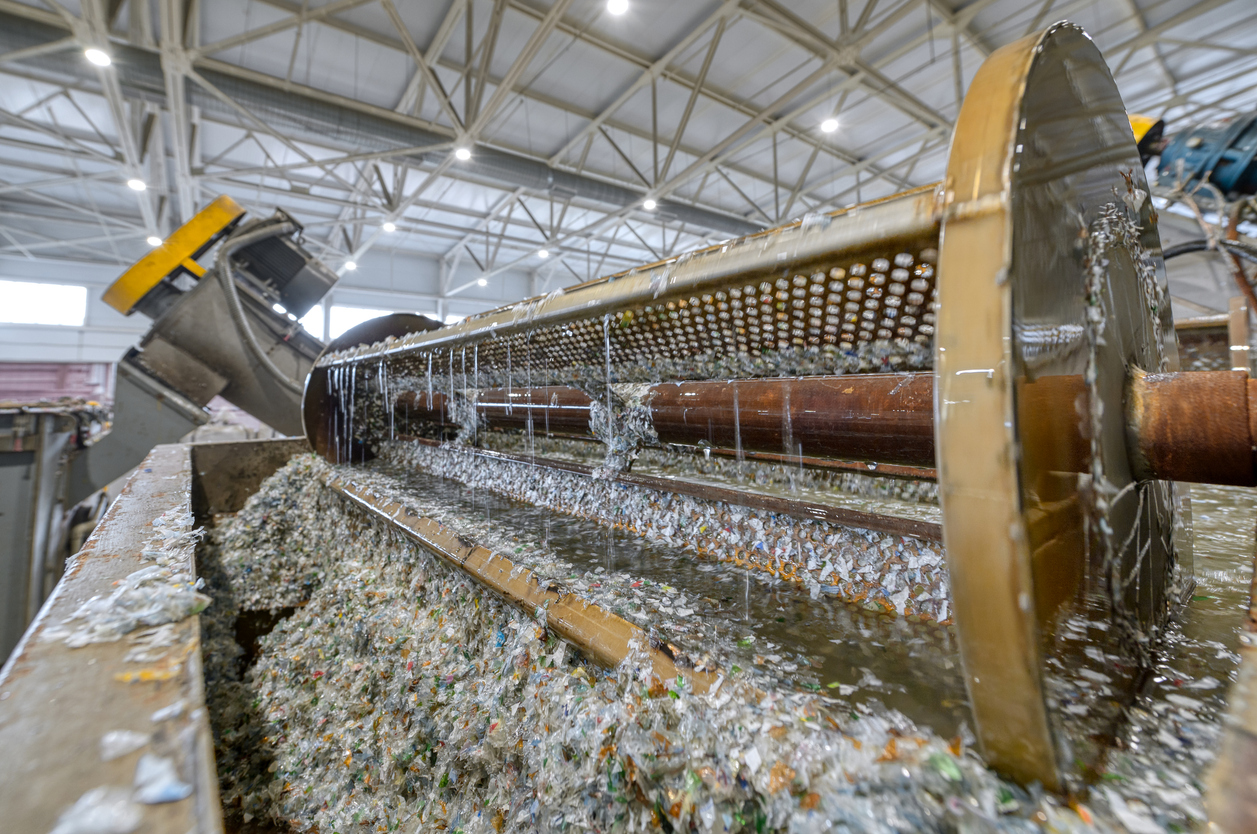
PE manufacturing underpins many African industries, from FMCG packaging and agriculture to construction and consumer goods. For importers, exporters and distributors, understanding how polyethylene (PE) is made – and how to secure reliable supply – is essential to staying competitive.
What Is PE Manufacturing in Modern Industry?
Polyethylene (PE) is one of the most widely used plastics in the world. It is valued for its durability, chemical resistance, versatility and relatively low cost. PE manufacturing refers to the process of turning petrochemical feedstocks into polymer resins and then converting those resins into finished products.
For businesses involved in African trade, PE manufacturing touches everyday products such as:
-
Food and FMCG packaging films and sachets
-
Shopping bags and carrier bags
-
Pipes for water, gas and irrigation
-
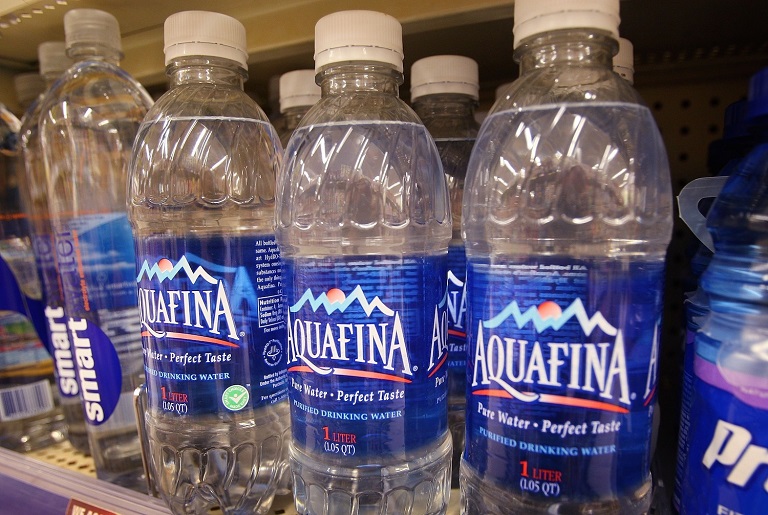
Bottles, caps, containers and drums
-
Crates, pallets and household items
Because so many value chains rely on plastic packaging and components, any disruption in PE supply can affect entire industries.
Key PE Manufacturing Grades: HDPE, LDPE and LLDPE
Different applications require different types of PE. The three main grades used in PE manufacturing are:
-
High-Density Polyethylene (HDPE)
High strength and rigidity with good chemical resistance. Common in rigid packaging, pipes, drums, jerrycans, crates and detergent or milk bottles. -
Low-Density Polyethylene (LDPE)
Softer and more flexible, with good clarity. Used in lightweight films, shopping bags, squeeze bottles, shrink wraps and many food packaging applications. -
Linear Low-Density Polyethylene (LLDPE)
Tough and puncture resistant, making it ideal for stretch film, industrial liners, heavy-duty sacks and agricultural films.
PE manufacturers and converters select grades based on performance needs such as strength, flexibility, transparency and resistance to chemicals or UV light. For buyers, working with a knowledgeable trading partner helps ensure the right grade is selected for each application.
The PE Manufacturing Process from Resin to Finished Products
Although large petrochemical complexes produce PE resins, many African businesses focus on converting imported pellets into finished goods. The typical PE manufacturing chain includes:
-
Feedstock and polymerisation
Ethylene derived from crude oil or natural gas is polymerised in reactors using catalysts and controlled conditions. This step defines whether the output is HDPE, LDPE or LLDPE. -
Pelletising and quality checks
The molten polymer is cooled and cut into pellets or granules. These are tested for properties such as density, melt flow index, impact strength and durability. -
Conversion processes
Converters and manufacturers use processes such as film blowing, extrusion, blow moulding, injection moulding and rotational moulding to turn pellets into sheets, films, bottles, caps, pipes and other products. -
Distribution and end use
Finished PE goods are then distributed to FMCG producers, agricultural suppliers, construction firms, wholesalers and retailers across African markets.
At every stage, efficient logistics and reliable sourcing are just as important as technical production capabilities.
PE Manufacturing Challenges in African Trade and Logistics
Companies involved in PE manufacturing and plastics distribution across Africa often face similar obstacles:
-
Price volatility and foreign exchange risk
PE resin prices are influenced by global oil and gas markets. Importers must manage fluctuating costs and currency movements when planning orders. -
Regulatory and compliance complexity
Different African countries may have distinct rules on packaging, food contact materials, labelling and environmental standards. Keeping up with these requirements is critical. -
Port congestion and inland transport
Delays at ports, limited storage space and high inland trucking costs can disrupt PE manufacturing schedules and delivery commitments. -
Fragmented regional distribution
Reaching customers beyond major hubs requires reliable regional warehousing and distribution networks.
These challenges make strong partnerships in sourcing and logistics a strategic advantage for any business working with PE.
How Wigmore Trading Supports PE Manufacturing Supply
Wigmore Trading is an experienced import–export and logistics partner focused on African trade. For businesses involved in PE manufacturing, plastics conversion or distribution, Wigmore Trading can help in several key areas:
-
Sourcing PE resins and finished plastics
Wigmore Trading works with reputable global producers of HDPE, LDPE and LLDPE, helping clients secure consistent quality and competitive pricing. Orders can be consolidated to achieve better freight rates and economies of scale. -
Managing logistics from plant to warehouse
From booking containers and coordinating sea freight to handling customs clearance and documentation, Wigmore Trading helps keep shipments moving smoothly into African ports and on to factory gates. -
Warehousing and regional distribution
With access to storage and distribution solutions, Wigmore Trading supports just-in-time deliveries to converters, wholesalers and industrial end users across multiple markets. -
Advising on market entry and regulations
The team can guide clients on local requirements for packaging, labelling and import standards, helping reduce delays and compliance risks.
If your business is expanding PE manufacturing capacity or seeking to stabilise resin supply for existing production lines, Wigmore Trading can help you design a more resilient, cost-effective supply chain.
Choosing the Right Partner for PE Manufacturing in Africa
When evaluating trading and logistics partners for PE manufacturing, consider:
-
Technical understanding of PE grades and applications
-
Proven performance in African ports and corridors
-
Ability to offer warehousing and regional distribution
-
Support with import procedures and regulatory compliance
-
Capacity to scale as your volumes grow
A partner like Wigmore Trading allows you to focus on production, product development and sales while the complexity of sourcing and logistics is managed by specialists.
If you are reviewing your current plastics supply chain or planning new PE manufacturing projects, contact Wigmore Trading today to streamline your sourcing and strengthen your position in African markets.



Comments are closed.