
Blue Hydrogen Production Process: How It Works and Why It Matters

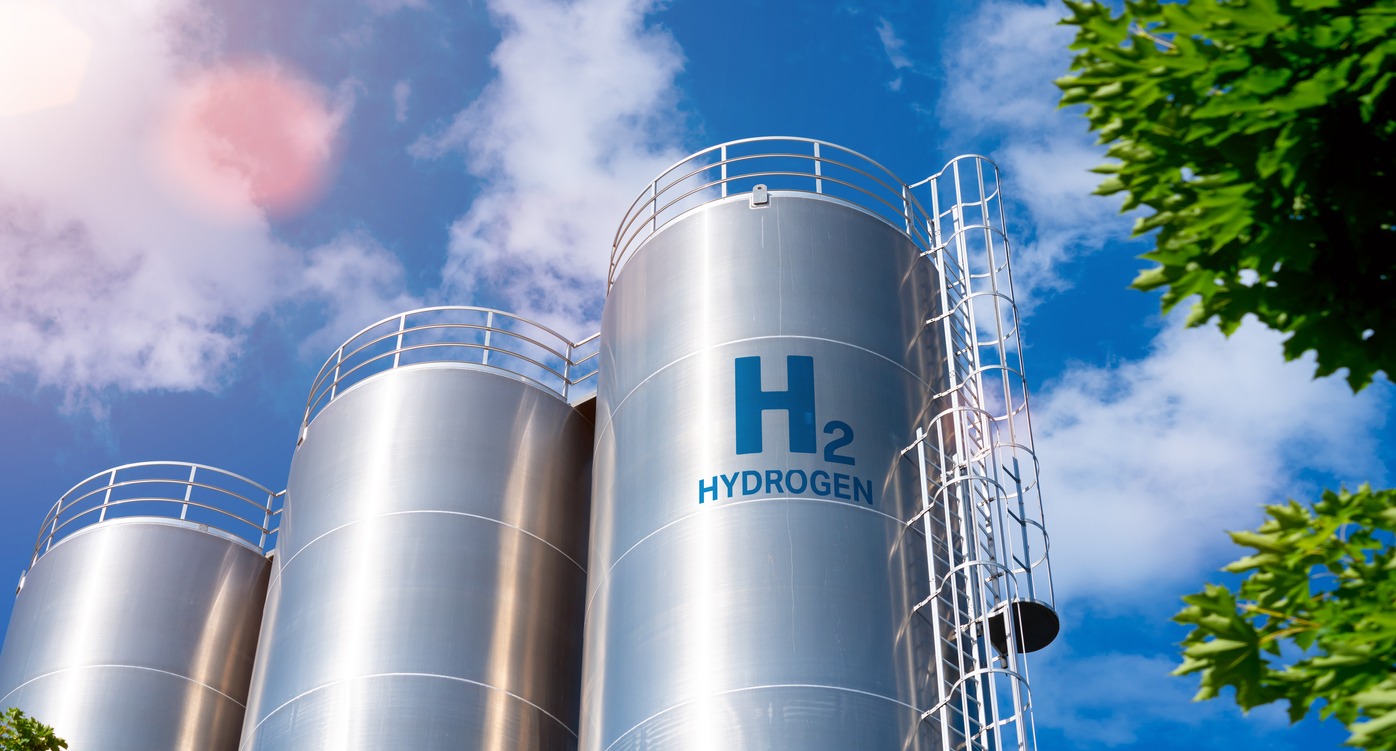
As industries worldwide look to reduce carbon emissions without disrupting existing energy systems, hydrogen has emerged as a key transitional fuel. Among the different types, blue hydrogen plays a practical role for regions and industries that already rely on natural gas infrastructure.
Understanding the blue hydrogen production process helps energy buyers, industrial manufacturers, and logistics operators make informed sourcing and investment decisions—particularly in emerging markets, including Africa, where energy transition must balance sustainability and reliability.
What Is Blue Hydrogen?
Blue hydrogen is hydrogen produced from natural gas using established industrial methods, with carbon capture and storage (CCS) applied to significantly reduce carbon dioxide emissions.
Unlike grey hydrogen, which releases CO₂ into the atmosphere, blue hydrogen captures most of these emissions, making it a lower-carbon alternative suitable for heavy industry, power generation, and large-scale distribution.
Overview of the Blue Hydrogen Production Process
The blue hydrogen production process builds on existing hydrogen manufacturing technologies while adding carbon management systems.
1. Natural Gas Feedstock Preparation
The process starts with methane-rich natural gas, which is cleaned to remove sulfur and other impurities. This step protects downstream equipment and ensures consistent hydrogen output.
Reliable sourcing of natural gas and related inputs is critical at this stage. Wigmore Trading can help source energy feedstocks, industrial chemicals, and supporting materials across African and global markets.
2. Steam Methane Reforming (SMR)
Steam Methane Reforming (SMR) is the most common blue hydrogen production method.
In this stage:
-
Methane reacts with high-temperature steam
-
The reaction produces hydrogen, carbon monoxide, and carbon dioxide
SMR is widely used because it is:
-
Technically mature
-
Cost-effective at scale
-
Compatible with existing gas infrastructure
3. Water-Gas Shift Reaction
The gas mixture from SMR then enters a water-gas shift reactor, where carbon monoxide reacts with steam to produce:
-
Additional hydrogen
-
More carbon dioxide
This step increases overall hydrogen yield, improving efficiency and output quality.
4. Carbon Capture and Storage (CCS)
This is the defining step in the blue hydrogen production process.
Carbon dioxide generated during SMR and the water-gas shift reaction is:
-
Captured using solvents or membranes
-
Compressed for transport
-
Stored underground or used in industrial applications
While capture rates vary, modern systems can remove 60–90% of CO₂ emissions, depending on plant design and investment level.
Wigmore Trading supports companies sourcing CCS-related equipment, chemicals, and logistics solutions required for carbon management projects.
5. Hydrogen Purification and Distribution
The final hydrogen stream is purified to meet industrial or energy-grade specifications. It is then:
-
Compressed or liquefied
-
Transported via pipelines, cylinders, or tankers
Efficient logistics are essential at this stage. Wigmore Trading can help coordinate bulk hydrogen handling, storage solutions, and cross-border transport—especially within Africa’s growing industrial corridors.
Key Advantages of the Blue Hydrogen Production Process
Lower Emissions with Existing Infrastructure
Blue hydrogen allows industries to:
-
Reduce emissions without waiting for full renewable build-out
-
Leverage current natural gas networks
-
Transition gradually toward cleaner energy
Cost and Scalability Benefits
Compared to green hydrogen:
-
Production costs are currently lower
-
Large-scale output is more feasible
-
Supply chains are better established
This makes blue hydrogen attractive for steel, cement, refining, and chemical manufacturing.
Strategic Role in African Energy Transition
For many African economies:
-
Natural gas is abundant
-
Renewable infrastructure is still developing
-
Industrial energy demand is rising
Blue hydrogen provides a bridge solution, supporting industrial growth while reducing environmental impact.
Challenges in Blue Hydrogen Production—and Practical Solutions
Carbon Capture Efficiency
Not all systems capture emissions equally. Choosing the right technology and partners is critical.
Solution: Work with experienced suppliers and logistics partners. Wigmore Trading can assist with sourcing proven CCS components and industrial-grade inputs.
Supply Chain Complexity
Hydrogen projects require coordinated sourcing of:
-
Gas feedstocks
-
Processing equipment
-
Transport and storage infrastructure
Solution: Centralized procurement and trade expertise reduce delays and cost overruns. Wigmore Trading can help streamline sourcing and distribution across multiple regions.
Regulatory and Market Uncertainty
Carbon pricing and hydrogen standards vary by country.
Solution: Flexible sourcing strategies and diversified markets help manage risk. Wigmore Trading supports cross-border trade and compliance for energy-related commodities.
Why the Blue Hydrogen Production Process Matters for Industry
The blue hydrogen production process is not a final destination—but it is a critical step in global decarbonization. For industries that cannot electrify easily, blue hydrogen offers:
-
Immediate emissions reductions
-
Energy security
-
Scalable deployment
As demand grows, efficient sourcing, logistics, and trade execution will define project success.
Wigmore Trading can help companies navigate these complexities, from sourcing inputs to moving finished products efficiently.
Conclusion
The blue hydrogen production process combines proven natural gas reforming techniques with carbon capture technology to deliver lower-carbon hydrogen at scale. For industrial users, energy developers, and traders—especially in Africa—it represents a practical pathway toward cleaner energy without sacrificing reliability.
If you’re exploring hydrogen-related projects or need support with sourcing, logistics, or trade execution, Wigmore Trading can help.
Get in touch with our team to learn more.





Comments are closed.