
How to Choose Reliable PVC Manufacturers as Partners for Your Supply Chain

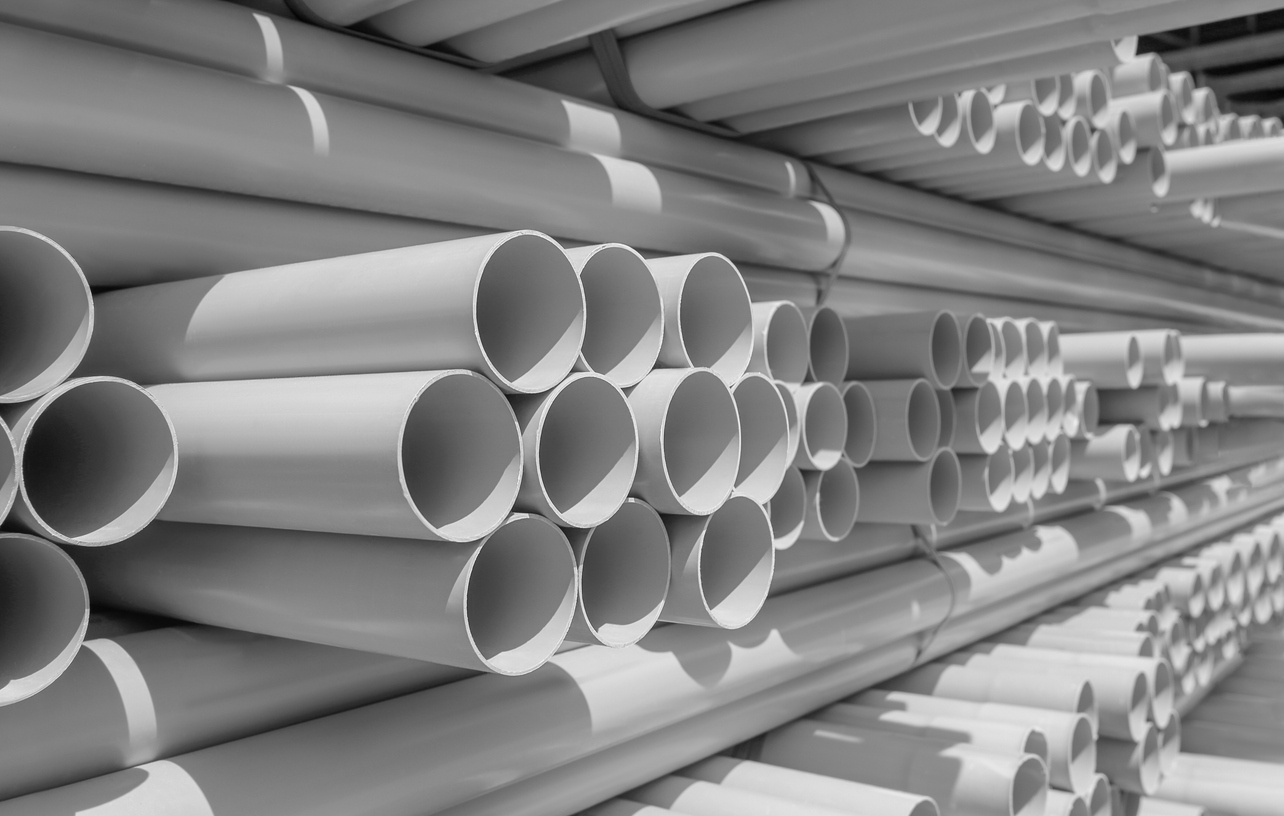
PVC is a backbone material for modern industry, from water infrastructure and electrical cabling to packaging and consumer goods. For importers, wholesalers and distributors, choosing the right PVC manufacturers is critical to keeping costs under control, ensuring product quality and avoiding costly delays.
For businesses trading into African markets, where infrastructure and consumer demand are growing fast, a reliable PVC supply chain is a strategic advantage. This is where strong manufacturer relationships – supported by experienced partners like Wigmore Trading – really matter.
What PVC manufacturers supply to modern industries
PVC manufacturers produce a wide range of materials and finished products used across sectors such as construction, FMCG, agriculture and telecoms. Common product categories include:
-
PVC pipes and fittings for water, sewage and irrigation
-
Electrical conduit and cable insulation
-
PVC sheets, films and profiles for windows, doors and cladding
-
PVC compounds and granules for injection moulding and extrusion
-
Flexible PVC for hoses, flooring and packaging
For importers and distributors, the challenge is less about finding a PVC supplier and more about finding the right PVC manufacturers who can consistently meet specification, volume and delivery requirements.
Key factors when evaluating PVC manufacturers
When assessing PVC manufacturers for your supply chain, focus on more than just price. Key criteria include:
1. Quality standards and certifications
Look for manufacturers that follow recognised standards (e.g. ISO certifications, relevant national pipe or cable standards). Request technical data sheets, test reports and sample batches. Consistent quality reduces returns and reputational risk.
2. Product range and specialisation
Some PVC manufacturers specialise in pipes and fittings, others in profiles, films or compounds. Clarify your current and future product needs: diameter ranges, pressure ratings, colours, packaging formats, branding options and private label possibilities.
3. Production capacity and lead times
A low price is useless if the manufacturer cannot deliver on time. Ask about monthly capacity, minimum order quantities (MOQs) and typical lead times. For African markets with long transit routes, reliable production schedules are essential.
4. Compliance with destination market regulations
PVC products must meet the regulatory requirements of the destination country. Confirm that the manufacturer understands standards for potable water pipes, electrical safety or building codes where you intend to sell.
5. Pricing structure and payment terms
Compare ex-factory prices, packaging costs and freight options. Transparent pricing from PVC manufacturers helps importers and wholesalers plan margins. Negotiate payment terms that balance cash flow with risk management.
Common sourcing challenges – and how to solve them
Working with PVC manufacturers across borders can present practical challenges:
-
Quality inconsistency between batches
-
Communication gaps on specifications
-
Delays in production or shipping
-
Complex logistics into landlocked or remote African markets
These risks can be reduced with a structured approach:
-
Use detailed specifications and agreed samples before confirming bulk orders.
-
Start with trial orders to validate quality and reliability.
-
Work with an experienced trading partner who can coordinate between PVC manufacturers, freight providers and local import regulations.
Wigmore Trading can help here by pre-qualifying PVC manufacturers, consolidating shipments and managing documentation to reduce delays at ports and border crossings.
How Wigmore Trading supports PVC sourcing
Wigmore Trading works with trusted PVC manufacturers and suppliers to serve importers, wholesalers and project contractors across African markets. Our support typically includes:
-
Supplier sourcing and vetting – Identifying PVC manufacturers with the right certifications, capacities and product ranges for your needs.
-
Price and term negotiation – Helping you secure competitive pricing and practical MOQs.
-
Quality and specification checks – Ensuring products match agreed standards before shipment.
-
Logistics and consolidation – Combining PVC products with other goods, optimising container loads and coordinating sea and inland transport.
-
Documentation and compliance – Supporting customs paperwork, standards documentation and import procedures.
Instead of dealing with multiple PVC manufacturers directly, you can work through a single, experienced trading partner who understands both supplier capabilities and local market requirements. Wigmore Trading can help.
Practical steps to start working with the right PVC manufacturer
If you are reviewing or building your PVC supply chain, consider this simple roadmap:
-
Define your product requirements
List the PVC items you need: pipe sizes, pressure classes, fittings, profiles, films, colours and branding. Include expected annual volumes. -
Clarify target markets
Note the countries and sectors you are serving – for example, construction distributors in West Africa or agricultural irrigation projects in East Africa. This helps align standards and packaging. -
Request quotations and technical data
Shortlist PVC manufacturers or work with Wigmore Trading to gather offers from multiple suppliers, including technical specs and sample availability. -
Run trial shipments
Test quality, packaging and transit performance on smaller orders before committing to long-term contracts. -
Build long-term relationships
Once you find reliable PVC manufacturers, focus on consistent orders, clear communication and realistic forecasts. Stable relationships often lead to better pricing and priority production.
If you would like support with any of these steps, get in touch with our team to learn more. Wigmore Trading can help you streamline PVC sourcing, reduce risk and keep your customers supplied.




Comments are closed.