

Potassium Carbonate Anhydrous: Uses & Sourcing Guide

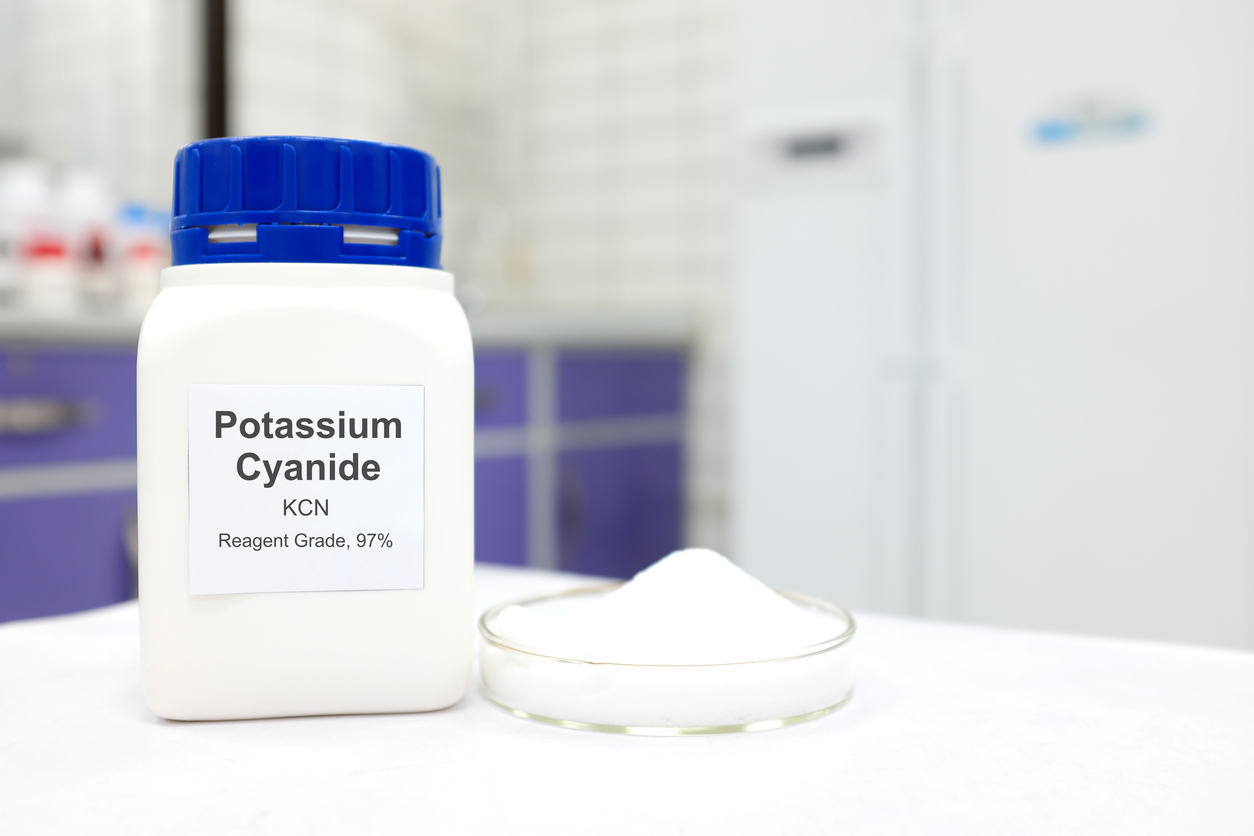
Potassium carbonate anhydrous (K₂CO₃) is a highly versatile inorganic salt used across multiple industries—from glass manufacturing and detergents to food processing and pharmaceuticals. For African manufacturers and importers, it remains a strategic input chemical because of its strong alkalinity, high solubility, and reliable performance as a pH regulator and processing aid.
This article explains what potassium carbonate anhydrous is, where it is used, how to buy the right grade, and how Wigmore Trading can support smooth sourcing and delivery into African markets.
What Is Potassium Carbonate Anhydrous?
Potassium carbonate anhydrous is the dry, water-free form of potassium carbonate. It is commonly referred to as anhydrous potassium carbonate, carbonate of potash, or pearl ash. It has the chemical formula K₂CO₃, a molecular weight of 138.21, and is widely supplied in powder or granule form.
Unlike hydrated versions, the anhydrous type is preferred when moisture content must be controlled—especially in industrial formulations, chemical processing, and laboratory applications.
Key Properties That Make Potassium Carbonate Useful
Several technical properties make anhydrous potassium carbonate valuable in manufacturing:
-
Strong alkaline buffering capacity (useful for pH regulation)
-
Highly water soluble
-
Hygroscopic (absorbs moisture and CO₂ from the air)
-
High thermal stability (melting point around 891°C)
Because it absorbs moisture easily, it must be stored properly to prevent clumping and loss of effectiveness.
Major Industrial Uses of Potassium Carbonate Anhydrous
1) Glass & Ceramic Manufacturing
One of the biggest industrial uses of potassium carbonate is in glass production, where it acts as a flux to improve glass clarity, strength, and melting behavior. It is often used for:
-
Specialty glass
-
Optical glass
-
Ceramic glazes and enamels
Its potassium content helps manufacturers achieve stable, high-quality output and smoother processing.
2) Detergents, Soaps & Cleaning Products
Potassium carbonate is a classic ingredient in alkaline detergents and industrial cleaning formulations, including:
-
Laundry detergents
-
Liquid soaps
-
Surface cleaners
Its role is typically to support alkalinity, boost cleaning efficiency, and help control formulation pH. Historically, it has been used in soap and dishware production—today it remains a useful alkaline builder in cleaning products.
3) Food Processing & Ingredient Manufacturing
Food-grade potassium carbonate (often labeled as FCC/USP grade) is used in food processing as an acidity regulator and processing aid. It appears in:
-
Some traditional noodle products
-
Baking and confectionery systems
-
pH management in specific food formulations
Important note: food applications require compliant grades and documentation, so importers should verify grade specifications, certifications, and COAs before shipment.
4) Pharmaceuticals & Chemical Formulation
In pharmaceutical manufacturing, potassium carbonate is used primarily as:
-
a neutralizing agent
-
a pH stabilizer
-
a formulation support ingredient where alkalinity control is needed
For chemical manufacturers, it also functions as a reliable base chemical in certain reactions and in controlled drying applications.
5) Water Treatment & Industrial pH Control
Potassium carbonate is also used for:
-
water softening
-
pH adjustment in industrial systems
-
buffering solutions for chemical process stability
Common Grades and What African Buyers Should Look For
Potassium carbonate anhydrous is usually offered in multiple grades:
Industrial Grade
Used for:
-
glass
-
soaps/detergents
-
general manufacturing
Food Grade (FCC) / Pharmaceutical Grade (USP)
Used for:
-
food ingredients
-
food processing
-
pharmaceutical manufacturing
High-Purity Laboratory/Analytical Grade
Used in:
-
lab testing
-
precision formulation work
-
R&D environments
Typical purity: many suppliers offer ≥99% purity, depending on grade and sourcing.
Storage and Handling: Preventing Moisture Problems
One of the biggest challenges with potassium carbonate anhydrous is that it is hygroscopic, meaning it easily absorbs moisture and carbon dioxide from air. This can cause:
-
clumping
-
reduced flowability
-
changes in concentration over time
Recommended handling practices include:
-
storing in airtight containers
-
keeping in a cool, dry, well-ventilated warehouse
-
minimizing exposure to humid environments
-
using proper PPE to avoid eye/skin irritation and dust exposure
Import & Supply Considerations for African Businesses
African importers and manufacturers often face procurement problems such as:
1) Grade mismatch
Industrial-grade material may not meet food/pharma requirements. Always confirm:
-
COA (Certificate of Analysis)
-
grade specification (FCC/USP vs industrial)
-
moisture content limits
2) Packaging & transit risks
Since the product absorbs moisture, shipping packaging matters (often 25kg bags, sometimes lined, or sealed drums depending on grade).
3) Customs classification
Potassium carbonate generally falls under HS code 2836.40.00, which affects tariffs and import clearance documentation.
How Wigmore Trading Can Help with Potassium Carbonate Anhydrous Supply
Wigmore Trading supports African buyers by helping reduce sourcing risk and improving import reliability. If you need potassium carbonate anhydrous for glass production, detergents, water treatment, food processing, or pharma-related use, Wigmore Trading can help with:
-
sourcing the right grade (industrial, FCC, USP, analytical)
-
documentation support (COA, MSDS, shipping papers)
-
coordinating bulk shipments into African ports
-
helping manufacturers maintain consistent supply for production planning
Wigmore Trading can help. If you’re importing or purchasing potassium carbonate anhydrous in bulk, contact Wigmore Trading today to streamline your sourcing and ensure your product meets required specifications.






Comments are closed.