

Understanding the Cost of Energy in the UK for Importers

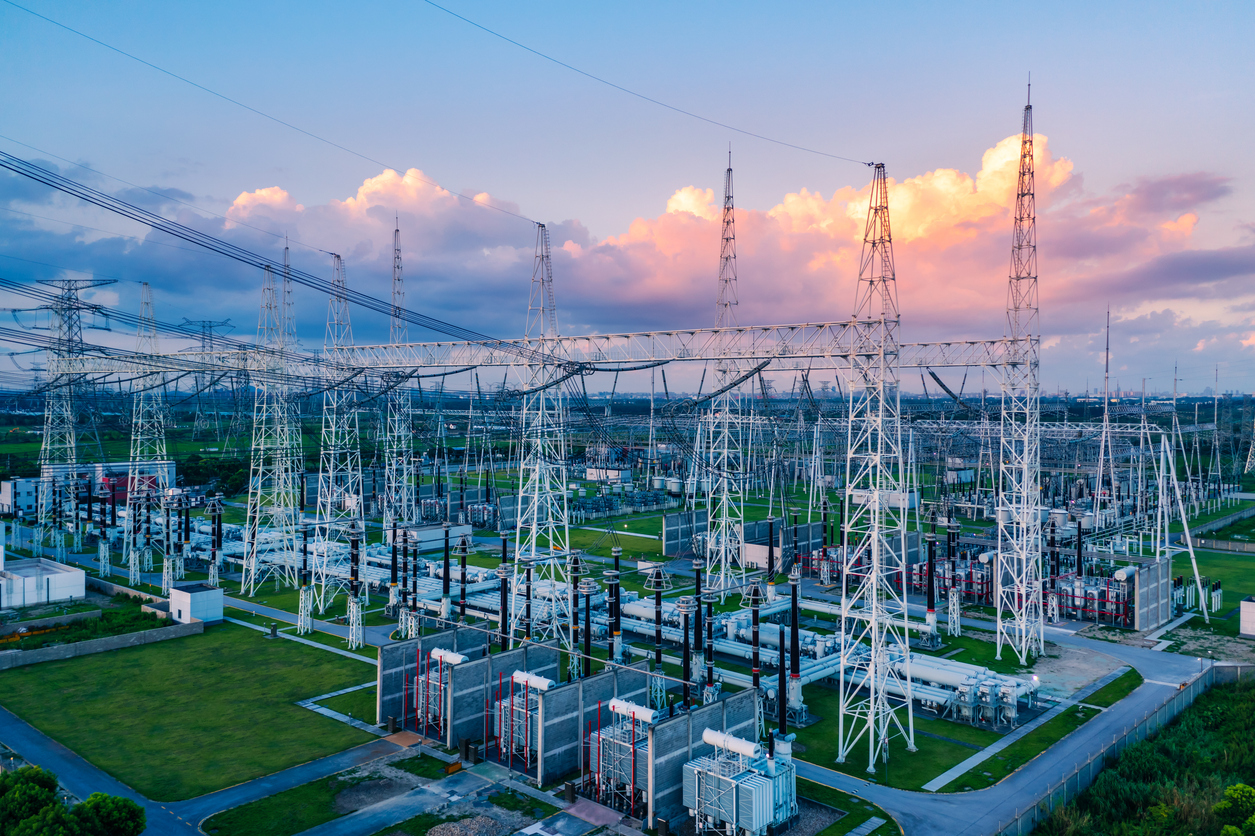
The cost of energy in the UK remains a major concern for businesses across manufacturing, logistics, FMCG, and international trade. Energy prices directly influence operating costs, supply chain stability, and long-term competitiveness.
While the UK energy market has stabilised compared to the volatility seen in previous years, electricity and gas prices are still significantly higher than historical averages. For businesses involved in production, cold storage, transport, and warehousing, energy costs can represent a substantial portion of overall expenditure.
Understanding what drives energy prices—and how to manage their impact—is now essential for companies operating in or trading with the UK.
Key Factors Driving UK Energy Costs
Several structural and market-related factors continue to shape the cost of energy in the UK.
Global Energy Markets
The UK imports a significant share of its gas, making prices sensitive to global supply and demand. Changes in LNG availability, geopolitical tensions, and global consumption trends all affect wholesale gas prices, which in turn influence electricity costs.
Network and Infrastructure Costs
Beyond wholesale prices, UK energy bills include network charges for maintaining and upgrading electricity and gas infrastructure. These regulated costs have increased as the UK invests in grid resilience, renewable integration, and decarbonisation.
Environmental and Policy Charges
Government policies aimed at reducing carbon emissions also contribute to the overall cost of energy. Levies supporting renewable energy generation and carbon pricing mechanisms are built into commercial energy tariffs, particularly for electricity-intensive users.
Impact on UK Businesses and Supply Chains
High energy costs affect businesses in different ways, depending on their sector and scale.
Manufacturers face higher production costs, especially in energy-intensive processes such as food processing, plastics, chemicals, and packaging. Logistics companies must absorb rising fuel and warehouse energy costs, while retailers and wholesalers contend with increased refrigeration, lighting, and storage expenses.
For companies importing goods into the UK or exporting from it, energy prices also influence supplier pricing, freight rates, and final product margins.
This is particularly relevant for African and international suppliers working with UK partners, where cost fluctuations can affect contract pricing and demand forecasting.
How Energy Costs Affect International Trade
The cost of energy in the UK does not exist in isolation. It has a direct impact on trade flows, sourcing decisions, and supplier relationships.
Higher UK energy costs can make domestically produced goods more expensive, increasing demand for imported alternatives. Conversely, UK-based manufacturers may face competitiveness challenges in export markets if energy-driven costs are passed on to buyers.
For traders, wholesalers, and distributors, this creates both risks and opportunities. Businesses that can source competitively priced goods from energy-efficient producers—or from regions with lower energy costs—are better positioned to maintain margins.
Practical Strategies to Manage Energy Costs
While businesses cannot control energy markets, they can take practical steps to reduce exposure and improve resilience.
Energy-Efficient Sourcing
Sourcing from manufacturers that use energy-efficient production methods can significantly lower embedded energy costs in products. This is particularly relevant for FMCG, packaged goods, and industrial materials.
Wigmore Trading can help identify and source products from suppliers with efficient operations, helping businesses manage landed costs more effectively.
Diversifying Supply Chains
Relying on a single market or supplier increases vulnerability to energy price shocks. Diversifying sourcing locations helps balance energy-related risks and improve price stability.
With strong supplier networks across Africa, Europe, and emerging markets, Wigmore Trading supports businesses looking to build more resilient and cost-effective supply chains.
Smarter Logistics and Consolidation
Energy costs also affect transport, warehousing, and handling. Optimising shipment sizes, improving route planning, and consolidating loads can reduce fuel and energy expenses across the logistics chain.
Wigmore Trading works closely with logistics partners to streamline shipments, reduce inefficiencies, and help clients manage energy-related costs in cross-border trade.
Opportunities from Energy Market Shifts
Despite the challenges, changes in the UK energy landscape also create opportunities.
As businesses look to control costs, demand is growing for alternative suppliers, private-label goods, and competitively sourced raw materials. Importers and distributors that can offer cost-effective, reliable supply options are well positioned to gain market share.
For African exporters and manufacturers, this presents an opportunity to access the UK market with competitively priced goods, particularly where production energy costs are lower than in the UK.
Wigmore Trading acts as a bridge between international producers and UK buyers, helping both sides navigate pricing, compliance, and logistics efficiently.
Why Strategic Partners Matter More Than Ever
Managing the impact of the cost of energy in the UK requires more than short-term fixes. It calls for strategic sourcing, informed market insight, and reliable trade partners.
Businesses that work with experienced trading and sourcing specialists are better equipped to adapt to energy price fluctuations, negotiate favourable terms, and maintain stable supply chains.
Wigmore Trading combines market knowledge, supplier networks, and logistics expertise to help businesses reduce risk and improve cost control in a high-energy-cost environment.
Looking Ahead
While energy prices may fluctuate in the coming years, the underlying pressures on the UK energy market are likely to remain. Businesses that proactively adjust their sourcing and supply chain strategies will be best placed to stay competitive.
Whether you are importing into the UK, exporting from it, or distributing within the market, understanding and managing energy-related costs is now a core part of doing business.
Wigmore Trading can help. Get in touch with our team to learn more about sourcing, logistics, and trade solutions designed to support your business in today’s energy landscape.






Comments are closed.