
Importing a Car to Nigeria: Do’s and Don’ts

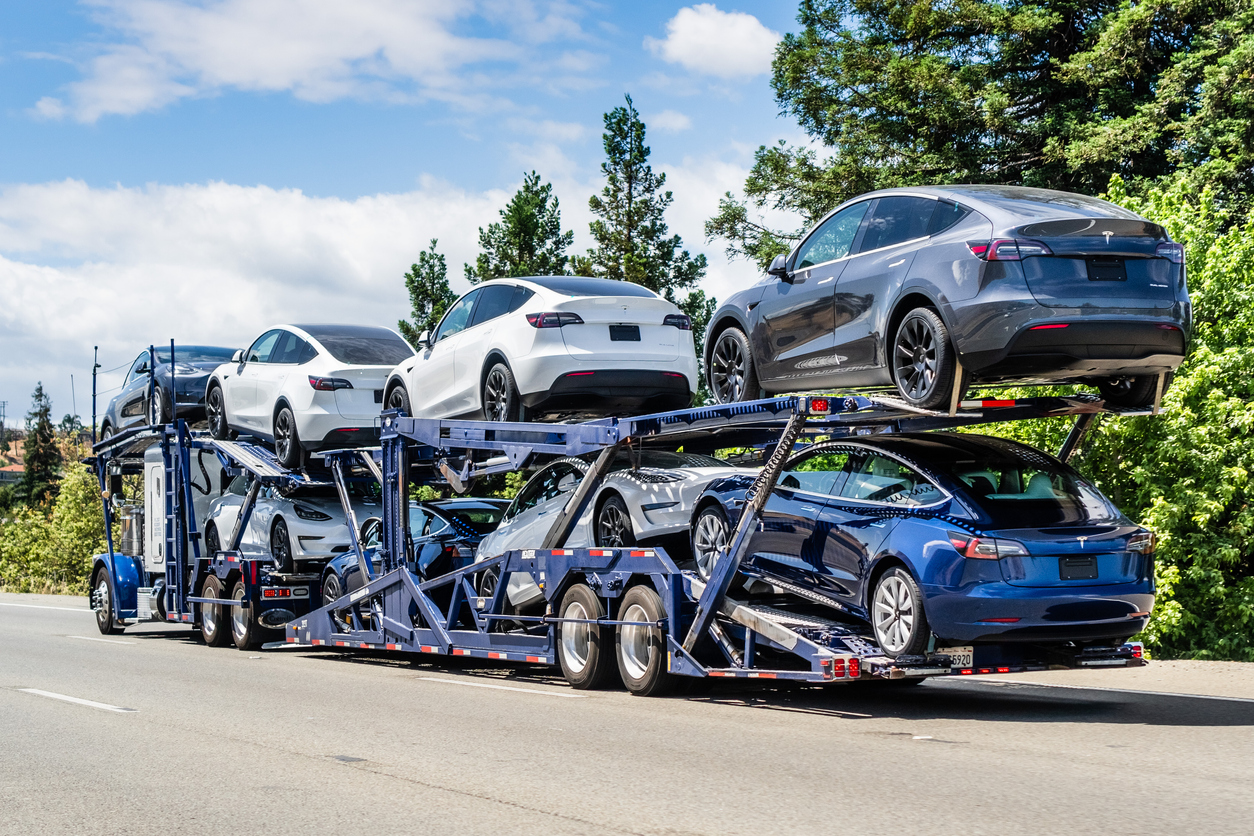
Importing a Car to Nigeria: Do’s and Don’ts
In Nigeria, the cost of car importation is relatively high. This is because the supply chain in Nigeria is not as developed as that of other countries. The costs of importing a car to Nigeria are mostly dependent on what country you would like to import from and how many years ago that car was made. In this article, we will go over some of the do’s and don’ts when importing a car to Nigeria.
The Import Process
To import a car to Nigeria, you will have to go through a few steps. The first step is finding the appropriate country of origin for your vehicle. You can find this information on your car’s VIN plate which is located on the driver’s side door jamb or frame. The next step is importing the vehicle into the country. This requires that you retain an importation agent and that they help with the process.
The final step is presenting your vehicle at Nigerian Customs where they will make sure it conforms to Nigerian road safety standards before allowing it to enter the country.
Do you need to import your car?
If you are considering importing a car to Nigeria, you should consider the cost of transportation and how it will affect your budget. There are several factors to consider when deciding if a vehicle is worth importing. These include:
-The age of the used car
-The country you would like to import from
-The mileage left on the car’s engine
-How well the car will be received in Nigeria
-And more!
Should I import from the U.S.?
It is worth considering importing a car from the United States. There are many benefits to this decision, but one of the most important would be that the quality of the car is generally higher than domestically produced cars in Nigeria.
The price for importing a car from the U.S. will also be cheaper than that of cars made locally in Nigeria. The only downside to this decision would be that it will take up to two years for your car to arrive at its destination.
What should I do if my car is not approved in Nigeria?
If your car is not approved in Nigeria, you can still import it and use it as long as you follow the procedure. You will need to apply for an importation license through your local authorities. The application should include the following information:
– Your car’s model
– Your car’s engine type
– Your car’s year of manufacture
– The country the car was made in
– What country you would like to import from
– How many years ago the vehicle was made
You will also be required to have a valid insurance policy, which covers the sum of your domestic purchase price and transportation charges. If you are asked for a specific model number or serial number, provide that data.
Do’s and Dont’s of importing a car to Nigeria
Do: Make sure you have a valid driving license and passport
This is the most important thing that you need to do when importing a car. If you are not in possession of these two documents, your application will be denied.
If you have a blue card, it is also necessary for you to show the card to the customs officer at the airport when you come to pick up your vehicle.
Don’t: Forget about taxes
It is crucial that you pay all applicable taxes because this will help alleviate any additional costs and charges that may arise from importing your car to Nigeria.






LEAVE A COMMENT
You must be logged in to post a comment.