
Buy and Export Rubber Tires from China With Wigmore Trading

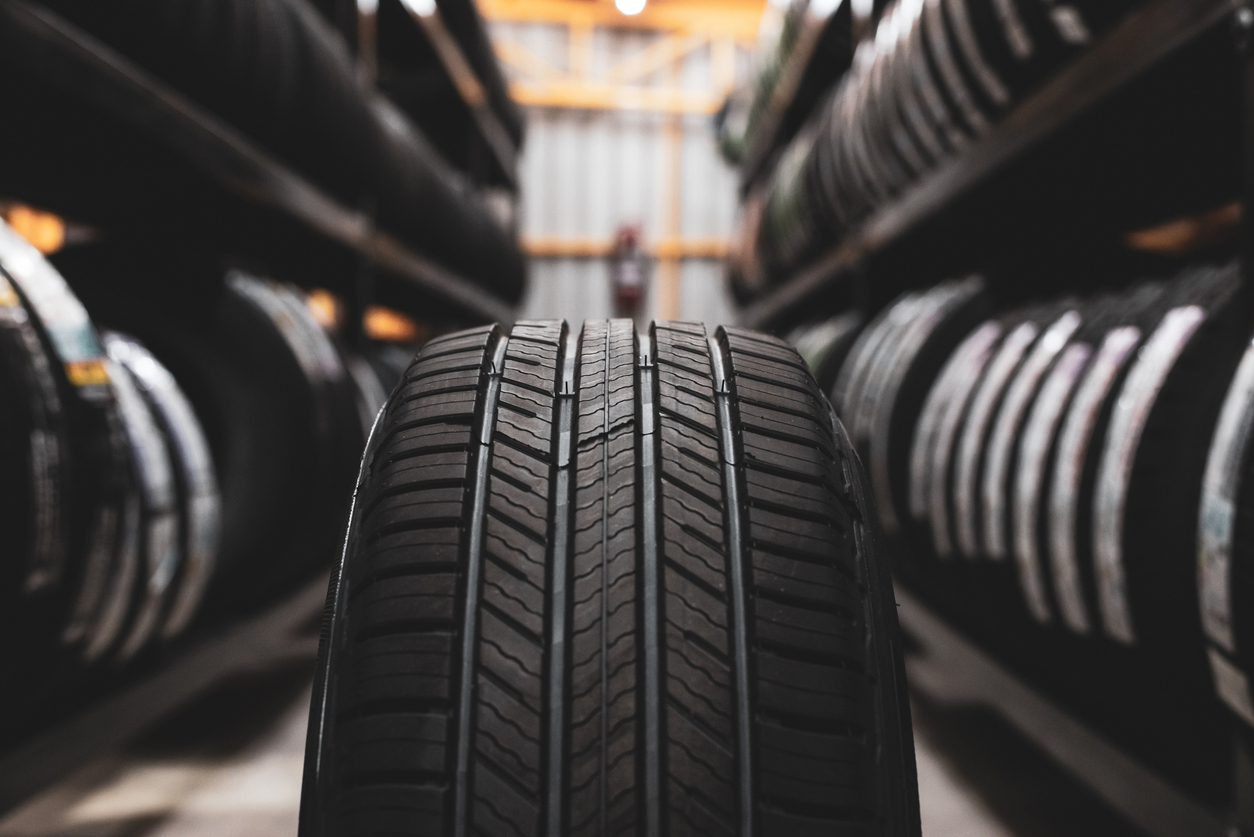
If you’re looking to export rubber tires from China, the biggest wins usually come from getting three things right: the exact tire specification, destination-market compliance, and consistent quality control. China offers a wide range of passenger, truck, and off-the-road (OTR) tires—ideal for wholesalers, fleet suppliers, construction and mining distributors, and importers serving African and global markets.
This updated guide is optimized to help buyers buy and export rubber tires from China with fewer delays, fewer claims, and more predictable landed cost—while showing where Wigmore Trading can help without turning the process into a sales pitch.
Why importers source rubber tires from China
China is a major manufacturing hub for tires, giving buyers access to:
-
Broad product range (PCR, LTR, TBR, OTR, motorcycle)
-
Flexible minimum order quantities (varies by factory and size)
-
Competitive unit pricing at scale
-
Established export infrastructure (ports, consolidators, freight options)
That said, “cheap” tires that fail early are expensive in the real world. The best approach is to source tires that match your use case (highway, mixed service, mining), then protect your order with the right checks.
Wigmore Trading can help by narrowing supplier options to factories that match your performance targets, documentation requirements, and shipping plan.
Step 1: Define the tire type and specification (avoid quote confusion)
Before you request pricing, lock in the specs that affect performance and compliance:
-
Tire category: PCR / LTR / TBR / OTR / motorcycle
-
Size + construction (radial/bias), ply rating (where applicable)
-
Load index and speed rating
-
Tread pattern and intended terrain (highway, regional, mixed, off-road)
-
Sidewall type and branding/marking requirements
-
Target mileage and warranty expectation (aligned to your market)
Step 2: Confirm export compliance for your destination market
Exporting tires isn’t only about shipping. A shipment can stall if markings, labeling, or traceability doesn’t match the rules where you sell.
Key examples to plan for:
EU / EEA buyers
The EU has a tyre labelling framework under Regulation (EU) 2020/740. If you distribute into Europe, confirm your supplier can produce the correct label format and supply supporting documentation.
United States buyers
U.S. requirements cover tire identification markings and traceability (commonly tied to DOT/TIN expectations under federal rules such as 49 CFR Part 574). If you sell into the U.S., confirm the factory can produce the correct sidewall markings and provide traceability details.
Africa and other import markets
Rules vary widely by country. Many importers reduce risk by aligning to commonly accepted labeling/traceability norms, keeping documentation clean, and using pre-shipment inspection to prevent disputes at clearance.
Practical solution: Build a “compliance checklist” into your purchase order: required markings, required labels, and required documents—then confirm a pre-production proof (photos or artwork sign-off) before mass production.
Wigmore Trading can help coordinate this early so you don’t discover a labeling issue after the container has shipped.
Step 3: Vet China tire suppliers beyond catalog claims
A polished brochure doesn’t guarantee consistent batches. To reduce quality drift, vet suppliers like a distributor, not a one-time buyer.
Use this supplier screening checklist:
-
Is it a real factory or only a trading storefront?
-
Export history for your tire category (PCR/TBR/OTR)
-
Batch traceability (date codes, production records, QC logs)
-
Clear warranty terms and claims process
-
Consistency controls (compound and curing processes matter for durability)
Step 4: Add quality control that matches how you will sell
Quality control isn’t just defect spotting. For wholesale buyers, the bigger risk is inconsistency: uneven wear, bead issues, sidewall defects, or specification drift.
A reliable QC flow usually includes:
-
Spec confirmation + marking/label approval (before production)
-
In-process checks for large-volume runs
-
Pre-shipment inspection with agreed pass/fail criteria
-
Container loading checks (to reduce deformation and transit damage)
Shipping tires from China also creates handling risk. Poor stacking, heat exposure, or long dwell times can affect shape and appearance—especially in hot climates.
Wigmore Trading can help arrange supplier coordination and inspection support so your shipment meets the same standard every time.
Step 5: Plan logistics and landed cost like a wholesaler
Rubber tires are bulky. Your landed cost depends heavily on container utilization and route choices.
Common options:
-
FCL (Full Container Load): best for steady volume and predictable cost per unit
-
LCL (Less than Container Load): useful for testing SKUs, mixed sizes, or smaller orders (often higher cost per unit)
Documentation typically includes:
-
Commercial invoice + packing list
-
Bill of lading / airway bill
-
Certificate of origin (where required)
-
Any destination-specific labeling or compliance documentation
Cost-control tip: Ask suppliers how tires will be packed and protected from deformation (especially for long transit routes). Confirm how many units fit per container for your sizes to forecast landed cost accurately.
Step 6: Reduce payment and delivery risk (simple, proven steps)
Common import problems include late production, unclear incoterms, and disputes over acceptance criteria.
To reduce risk:
-
Put full specs and markings into the PO (not only in email threads)
-
Set production milestones and photo proof points
-
Use clear incoterms and responsibility boundaries
-
Define acceptance criteria for inspection (what is allowed vs rejected)
If you want fewer surprises, get in touch with our team to learn more about supplier coordination, export documentation support, and logistics planning.
Conclusion
China remains a strong sourcing market for rubber tires—if you treat compliance, supplier vetting, quality control, and logistics as one connected process. The best results come from clear specs, destination-ready documentation, and consistent inspection before containers leave port.
If you want a smoother path from supplier selection to landed delivery, Wigmore Trading can help with sourcing, verification, consolidation, and export coordination.




Comments are closed.