
Buy and Export Processed Fish from China with Wigmore Trading

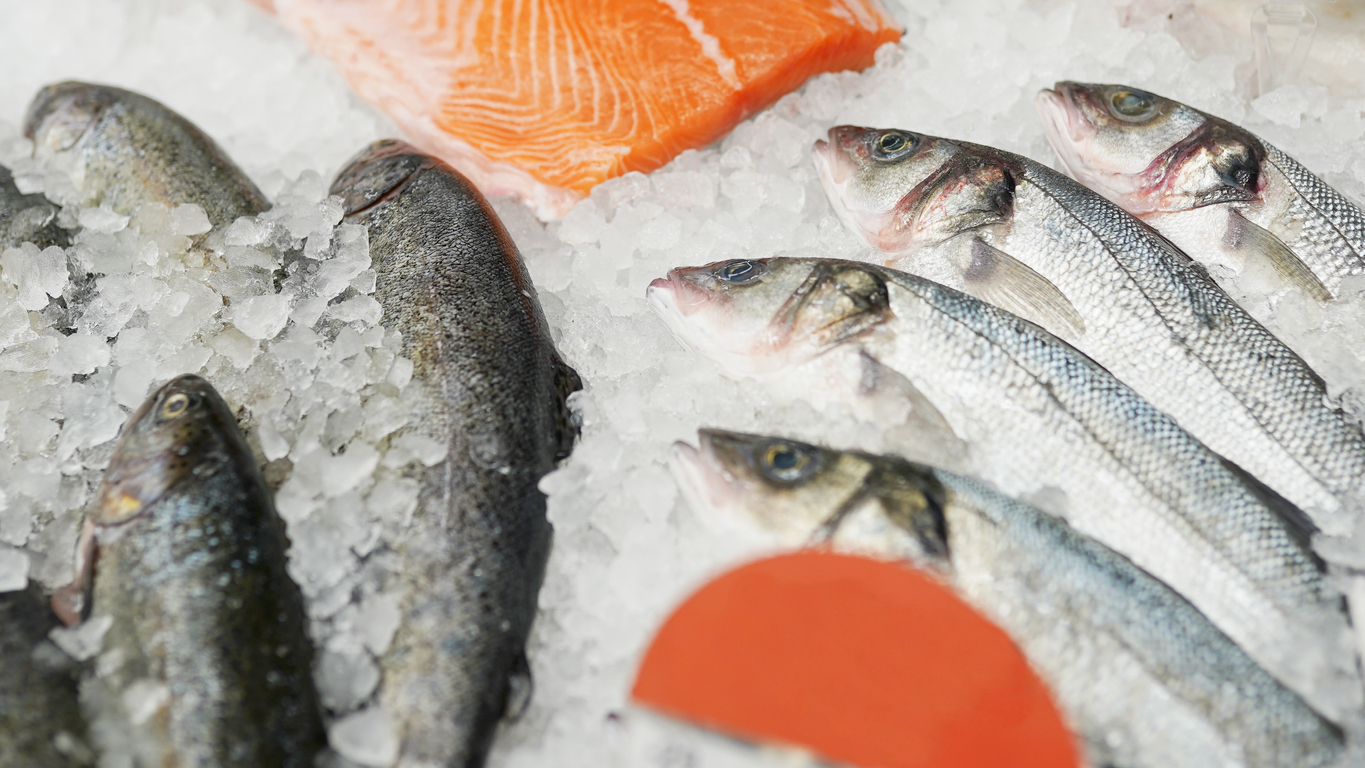
Importers, wholesalers, and food distributors around the world rely on China as a key source of processed fish. From canned tuna and sardines to frozen fillets and value-added seafood products, China’s processing industry offers competitive pricing, scale, and a wide product range.
However, exporting processed fish from China is not as simple as placing an order. Buyers must manage food safety standards, documentation, shipping, and customs compliance. This is where a trusted partner like Wigmore Trading can help you reduce risk and streamline the process.
Why Source Processed Fish from China?
China is one of the largest seafood processors in the world. Exporting processed fish from China offers several advantages for importers and distributors:
-
Cost competitiveness thanks to efficient processing and scale
-
Wide product range – canned fish, smoked fish, frozen fillets, breaded portions, fish fingers, and more
-
Private label opportunities for retailers, foodservice brands, and wholesalers
-
Established export infrastructure, including cold-chain logistics and major international ports
For African markets and other emerging regions, buying processed fish from China can help bridge local supply gaps while offering consistent quality and volume.
Key Challenges in Exporting Processed Fish from China
Despite the opportunities, there are real challenges that buyers must address:
1. Food Safety and Quality Control
Import markets (especially in Africa, Europe, and the Middle East) require compliance with strict food safety standards. Issues may include:
-
Traceability of raw materials
-
Compliance with HACCP, ISO, or other certifications
-
Correct labelling (ingredients, allergens, expiry dates, nutrition)
-
Packaging integrity and shelf-life stability
How Wigmore Trading can help:
Wigmore Trading works with vetted Chinese processors and exporters and can help you verify certifications, conduct quality checks, and ensure your processed fish products meet your destination market’s standards.
2. Regulatory Compliance and Documentation
Exporting processed fish from China requires accurate paperwork to avoid delays or rejections at customs. Common requirements include:
-
Commercial invoice and packing list
-
Health or sanitary certificate from Chinese authorities
-
Certificate of origin
-
Product specifications and lab test reports (where required)
-
HS code classification for processed fish products
Errors in documentation can lead to demurrage, additional inspections, or even product rejection.
How Wigmore Trading can help:
Wigmore Trading can coordinate with suppliers and shipping agents in China to ensure that all documentation for your processed fish shipment is correct and complete before departure.
3. Logistics, Cold Chain, and Transit Risks
Processed fish, whether canned or frozen, must be handled properly throughout the supply chain:
-
Frozen and chilled products require reliable cold-chain logistics.
-
Transit times affect product quality and shelf life.
-
Port congestion and customs delays can add unforeseen costs.
How Wigmore Trading can help:
With experience in international logistics and African trade, Wigmore Trading can help you select the right shipping routes, container types (e.g., reefer containers for frozen fish), and logistics partners to minimise risk.
A Step-by-Step Overview: Exporting Processed Fish from China
Below is a simplified roadmap for buyers looking to import processed fish:
Step 1: Define Your Product Requirements
Start by clarifying:
-
Type of processed fish (tuna, mackerel, sardines, tilapia, etc.)
-
Form (canned in oil/brine, frozen fillets, breaded, smoked, etc.)
-
Pack sizes and formats (retail packs, catering packs, bulk)
-
Target market regulations and labelling language
Wigmore Trading can work with you to translate these requirements into clear specifications for Chinese suppliers.
Step 2: Supplier Identification and Vetting
Finding the right processor in China is critical:
-
Verify factory certifications and capacity
-
Confirm past export experience to your region
-
Assess quality systems and sample products
Rather than dealing directly with multiple unknown factories, you can use Wigmore Trading’s network and due diligence support to connect with reliable processors.
Step 3: Pricing, Contracts, and Incoterms
Next, negotiate pricing and commercial terms:
-
Agree on Incoterms (FOB, CIF, etc.)
-
Confirm minimum order quantities and lead times
-
Lock in payment terms and currency
Wigmore Trading can help you understand the true landed cost, including freight, insurance, and local charges at the destination.
Step 4: Production, Quality Checks, and Pre-Shipment Inspection
During production, it is wise to schedule inspections:
-
On-line or final random inspections
-
Verification of labelling, packaging, and palletisation
-
Temperature checks for frozen products
Wigmore Trading can arrange third-party inspections or factory visits to ensure your processed fish shipment meets agreed standards before it leaves China.
Step 5: Shipping, Customs Clearance, and Delivery
Once the goods are ready:
-
Shipping is booked, and documents are prepared
-
Health certificates and certificates of origin are issued
-
Customs brokers at the destination handle clearance
Wigmore Trading can coordinate these steps, helping you avoid delays and ensuring a smooth import process, especially into African ports where local experience is essential.
Why Work with Wigmore Trading?
For businesses that want to buy and export processed fish from China without unnecessary risk, Wigmore Trading offers:
-
Expertise in international sourcing and African trade
-
Access to vetted Chinese seafood processors
-
Support with documentation, logistics, and customs
-
Practical guidance tailored to importers, wholesalers, and distributors
Whether you are launching a new private label range or supplying hotels, restaurants, and caterers, Wigmore Trading can help you build a reliable processed fish supply chain from China.
Contact Wigmore Trading today to streamline your sourcing and export operations. Get in touch with our team to learn more.




Comments are closed.