
Buy and export Gas Turbines from China with Wigmore Trading

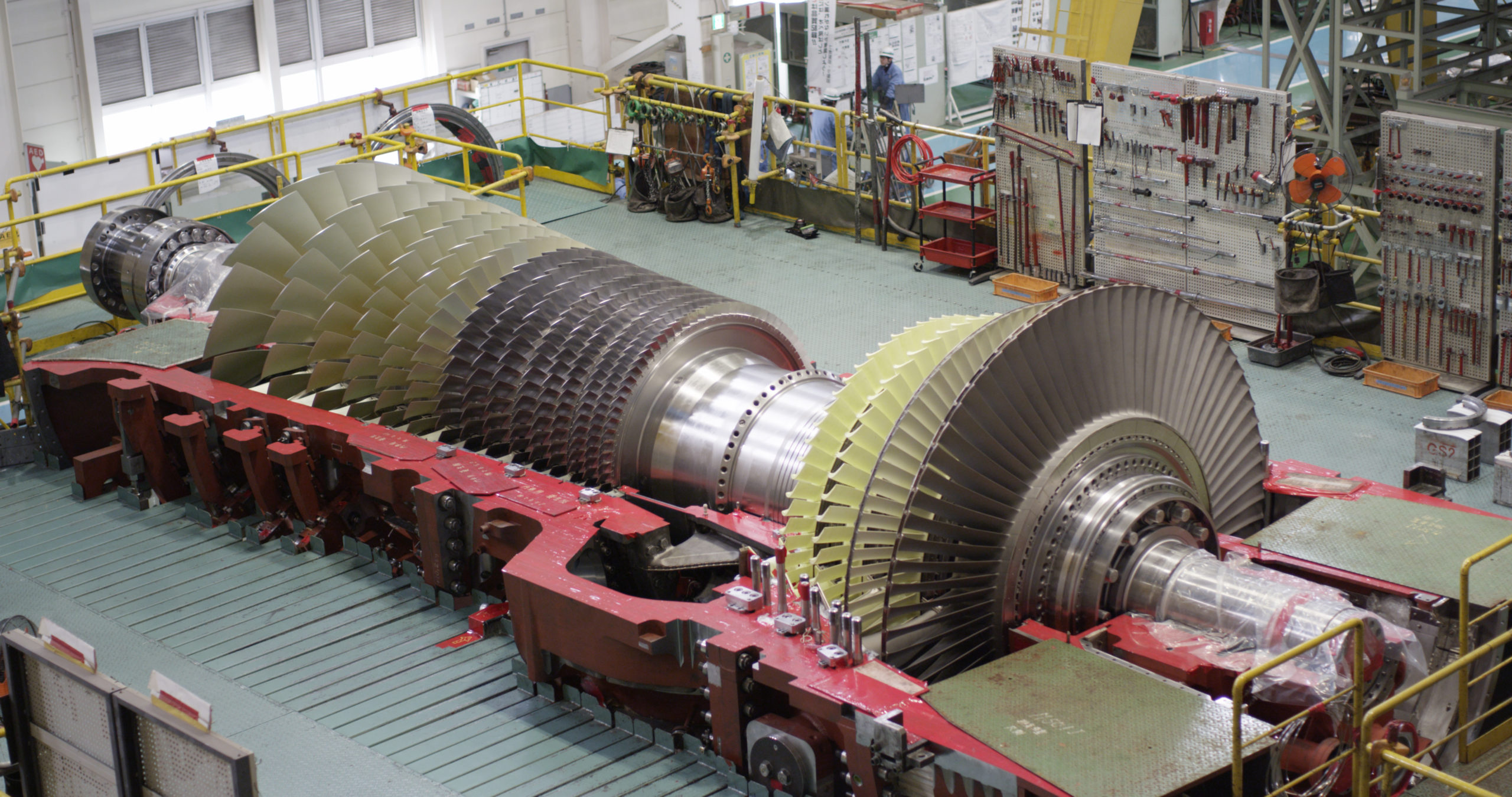
Sourcing gas turbines from China can significantly reduce project costs while giving you access to a wide range of capacities and configurations. But choosing the right supplier, managing quality, and handling complex export paperwork can be risky if you go it alone. That’s where Wigmore Trading can help.
Why source gas turbines from China?
China has become a major manufacturing base for industrial equipment, including gas turbines for power generation and industrial applications. For importers, EPC contractors, and energy companies, this offers several advantages:
-
Competitive pricing – Chinese manufacturers can often supply turbines and spare parts at more attractive price points than many Western brands.
-
Broad product range – From small industrial gas turbines to larger power-generation units, you can find options suited to backup power, peak shaving, or continuous generation.
-
Flexible manufacturing – Many factories can adapt designs, accessories, and configurations to your operating environment and fuel type (e.g. natural gas, LPG, associated gas).
-
Growing export experience – Leading Chinese suppliers increasingly understand international standards and export requirements, making cross-border trade more efficient.
However, unlocking these benefits safely requires careful due diligence and logistics planning.
Key challenges when buying gas turbines from China
Buying high-value technical equipment from overseas always involves risk. Common issues importers face include:
1. Verifying technical quality and performance
Not all suppliers meet the same engineering and production standards. You need to confirm:
-
Design and performance data (power output, efficiency, heat rate, emissions).
-
Compliance with relevant standards (such as ISO quality management systems).
-
Factory testing and commissioning procedures.
-
Availability of genuine spare parts and consumables.
Wigmore Trading works with vetted manufacturers and can arrange independent inspections and factory tests before shipment, so you are not relying solely on brochure claims.
2. Ensuring certification and documentation
For customs clearance and safe operation, you’ll typically need:
-
Technical datasheets and manuals.
-
Quality certificates and test reports.
-
Certificates of origin and conformity.
-
Packing lists, commercial invoices, and HS code classification.
Incomplete or incorrect documentation can cause delays, fines, or even seizure of goods. Wigmore Trading coordinates documentation between the factory, inspection bodies, and your import broker to help avoid costly errors.
3. Managing lead times and logistics
Gas turbines and associated equipment (control systems, filters, silencers, enclosures) are bulky, heavy, and often shipped as multiple crates or containers. Challenges include:
-
Securing space on suitable vessels and routes.
-
Planning for special handling or out-of-gauge cargo.
-
Aligning production lead time with project schedules.
-
Choosing the right Incoterms (FOB, CIF, etc.) for risk and cost balance.
With experience in project cargo and industrial equipment, Wigmore Trading can coordinate transport from factory to port and onward to your destination in Africa, the Middle East, or beyond.
4. After-sales and warranty support
For long-life assets like gas turbines, after-sales support is critical. Key questions:
-
Who will handle installation and commissioning?
-
How are warranty claims managed?
-
What is the response time for critical spare parts?
Wigmore Trading helps structure clear contracts covering after-sales responsibilities and, where possible, connects you with local or regional service partners.
Compliance, export, and import requirements
To export gas turbines from China smoothly, you must ensure compliance on both the Chinese export side and your own country’s import rules.
Important considerations include:
-
Correct HS code classification – Ensures the right duties, taxes, and regulatory checks are applied.
-
Export licenses (if required) – Certain equipment or destinations may trigger special export controls.
-
Destination-country standards – You may need additional certifications or inspections depending on local regulations and grid requirements.
-
Insurance and risk coverage – High-value cargo should be properly insured from factory to final site.
Wigmore Trading works with customs brokers and logistics partners familiar with African, Middle Eastern, and European markets to help you meet all regulatory obligations.
How Wigmore Trading supports your gas turbine procurement
Wigmore Trading is more than a trading intermediary – it acts as a procurement and logistics partner for businesses that want to buy and export gas turbines from China without unnecessary risk.
Here’s how we typically assist:
1. Requirements assessment
We start by understanding your project:
-
Required power output and load profile.
-
Fuel type and local operating conditions.
-
Grid connection requirements and control systems.
-
Budget range and delivery timeline.
This ensures the supplier shortlist and quotations match the realities of your site and regulations.
2. Supplier sourcing and vetting
Using our established network and on-the-ground knowledge, we:
-
Identify reputable Chinese gas turbine manufacturers and OEMs.
-
Request and compare technical proposals and quotations.
-
Review certifications, factory capabilities, and export track record.
-
Filter out suppliers that do not meet your quality or compliance needs.
Wigmore Trading can help you select a supplier that balances cost, performance, and reliability.
3. Negotiation, contracts, and payment structure
We assist with:
-
Negotiating pricing and incoterms (e.g. FOB China, CIF destination port).
-
Structuring staged payments linked to milestones (e.g. deposit, completion, shipment).
-
Ensuring clear warranty, delivery, and performance clauses.
This gives you more control over risk and cash flow when ordering high-ticket equipment.
4. Quality control and inspections
Before shipment, Wigmore Trading can arrange:
-
Pre-production and in-process inspections.
-
Factory acceptance tests (FATs) with documented results.
-
Packing and loading supervision.
These steps reduce the chance of receiving incorrect or damaged equipment and support any future warranty claims.
5. Logistics, customs, and final delivery
Our logistics team can coordinate:
-
Transport from factory to Chinese port.
-
Sea freight bookings tailored to your project schedule.
-
Customs clearance preparation and coordination with your broker.
-
Delivery to your warehouse, port of discharge, or project site where possible.
Contact Wigmore Trading today to streamline your turbine sourcing and reduce surprises in transit.
Practical steps to start exporting gas turbines from China
If you’re planning to export gas turbines from China for a new or existing power project, you can move forward in a structured way:
-
Define your project requirements – Power, fuel, voltage, frequency, expected load profile, and site conditions.
-
Share your specification with Wigmore Trading – Our team can help refine it for Chinese suppliers.
-
Review supplier proposals – Compare technical data, delivery times, and total landed cost (including logistics and duties).
-
Confirm inspections and test protocols – Agree what will be tested, witnessed, and documented before shipment.
-
Finalize contracts and logistics plan – Lock in incoterms, payment milestones, and shipment schedule.
-
Coordinate installation and after-sales – Ensure a smooth handover to your engineering team or service partner.
Wigmore Trading can help at every stage—from initial supplier selection to the arrival of your gas turbine at site—so you can focus on project execution, not paperwork and uncertainty.
Whether you are an independent power producer, EPC contractor, or industrial operator, working with an experienced trading partner reduces the complexity and risk of international equipment sourcing.
Get in touch with Wigmore Trading to discuss your next gas turbine procurement project and learn how we can help.



Comments are closed.