

Buy and export Other Steel Bars from China with Wigmore Trading

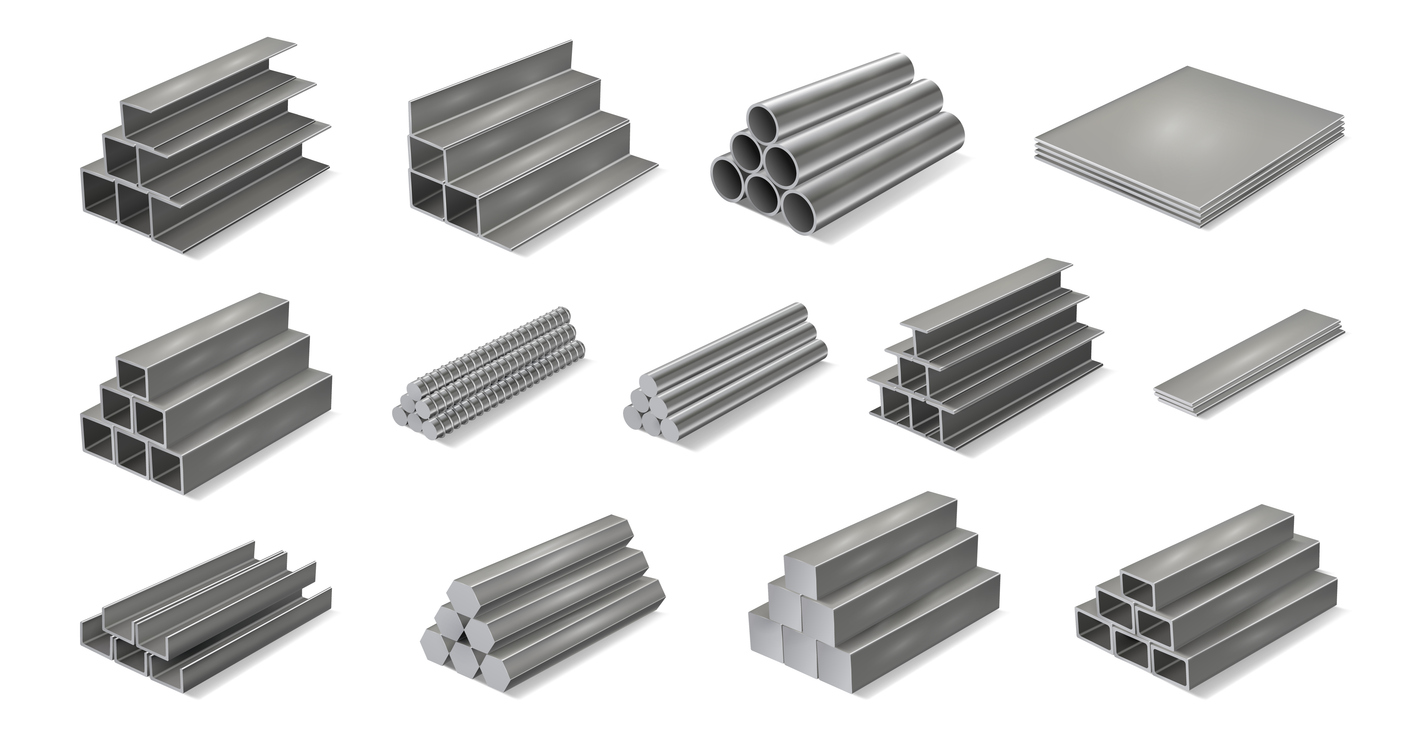
China is one of the world’s largest producers of steel, offering competitive prices and a wide range of specifications. For many importers, other steel bars (non-standard, specialised, or custom-spec bars) are essential inputs for construction, manufacturing, engineering, and fabrication.
If you want to export steel bars from China reliably—but don’t want the headache of dealing with factories, inspections, and shipping—working with a specialist trading partner like Wigmore Trading can make the process faster, safer, and more cost-effective.
What are “Other Steel Bars” and why do they matter?
“Other steel bars” typically refers to steel bar products that don’t fall neatly into standard commodity categories. They may differ in:
-
Shape (round, square, flat, deformed, hexagonal)
-
Grade (carbon steel, alloy steel, stainless, tool steel)
-
Finish (hot rolled, cold drawn, peeled, polished)
-
Application (machinery parts, construction, automotive, mining, fabrication)
These products are common in:
-
Construction and infrastructure projects
-
Manufacturing and fabrication workshops
-
Oil & gas and mining equipment
-
Automotive and engineering components
For buyers in Africa, the Middle East, the UK, and Europe, sourcing these bars from China can reduce raw material costs and give access to a much broader range of specifications—provided quality and logistics are properly managed.
Key challenges when you export steel bars from China
Buying directly from Chinese steel mills or trading companies can be profitable, but there are real risks if you’re not familiar with the market.
1. Quality control and specifications
Steel bars are critical structural and mechanical components. If the grade, diameter, or mechanical properties are wrong, the consequences can be serious:
-
Structural failure risks
-
Rejection at site or factory
-
Costly rework or replacement
Common issues include:
-
Mislabelled steel grades
-
Inconsistent chemical composition
-
Dimensional tolerances not being met
How Wigmore Trading can help:
Wigmore Trading can work with vetted Chinese mills and distributors, obtain mill test certificates (MTCs), and arrange third-party inspections before shipment so that the steel bars you import meet your exact specifications.
2. Supplier reliability and communication
Language barriers, time zones, and different business practices can make negotiations slow and confusing. Smaller buyers, especially in African and emerging markets, may struggle to gain attention from large mills.
How Wigmore Trading can help:
Wigmore Trading has established relationships with Chinese suppliers and understands both sides of the transaction. We can:
-
Shortlist reliable factories
-
Clarify specifications and tolerances
-
Secure competitive pricing and realistic lead times
This helps you avoid misunderstandings and delays that can disrupt your projects.
3. Export documentation and compliance
When you export steel bars from China, proper documentation is essential:
-
Commercial invoice and packing list
-
Certificate of origin (often needed for customs and duty rates)
-
Mill test certificates and quality documents
-
Bills of lading and export licences where required
Mistakes in HS codes, descriptions, or weights can cause customs delays, fines, or even seizure of cargo.
How Wigmore Trading can help:
Wigmore Trading can manage the documentation process end-to-end, ensure HS codes are correctly classified, and work with freight partners who understand steel cargoes.
4. Freight, loading, and cargo handling
Steel is heavy, bulky, and sometimes irregular in length and shape. Poor packing or loading can lead to:
-
Damage to the bars (bending, rust, surface defects)
-
Safety issues at port and during unloading
-
Increased transport costs due to inefficient stowage
How Wigmore Trading can help:
We coordinate with logistics partners to ensure steel bars are bundled, strapped, and protected properly, and that shipping routes are optimised for your final destination—whether you are importing to West Africa, East Africa, the UK, or other markets.
Steps to buy and export other steel bars from China
If you’re considering this for your business, here’s a simple framework.
1. Define your technical requirements
Before approaching any supplier, clarify:
-
Steel grade (e.g., Q235, Q345, 45#, alloy grades, stainless grades)
-
Bar type (round, deformed, flat, etc.)
-
Diameter and length range
-
Required standards (ASTM, EN, BS, GB, etc.)
-
Surface finish and special treatment (heat treatment, peeling, polishing)
The clearer your specification, the easier it is for Wigmore Trading to match you to the right Chinese producers.
2. Request pricing and MOQ options
Chinese mills often have minimum order quantities (MOQs) and price breaks for larger volumes. Factors affecting the final price include:
-
Steel grade and alloy content
-
Size mix and special processes
-
Market price of raw steel at time of order
-
Packaging and inland transport to port
Wigmore Trading can consolidate multiple sizes and types of other steel bars into a single shipment to help you reach better price brackets and reduce your per-tonne logistics cost.
3. Arrange inspection and testing
For critical applications, you may need:
-
Chemical composition analysis
-
Mechanical testing (yield strength, tensile strength, elongation)
-
Dimensional checks and surface inspection
Wigmore Trading can coordinate independent inspections at the mill or loading port, so you have confidence before the cargo leaves China.
4. Choose the right Incoterms and shipping method
Common terms when you export steel bars from China include:
-
FOB (Free On Board) – Supplier delivers to Chinese port; you handle ocean freight and insurance
-
CFR/CIF – Supplier (or Wigmore Trading as your partner) arranges freight and optionally insurance
Depending on your volume and destination, we can advise whether FCL (full container load), break bulk, or special equipment is most economical and practical for your steel bar shipment.
5. Plan downstream logistics in your country
Once the bars arrive, you still need:
-
Customs clearance
-
Payment of duties and taxes
-
Inland transport to your warehouse, factory, or construction site
Wigmore Trading can connect you with reliable in-country agents and logistics partners, particularly across African ports and trade corridors, helping you create a seamless door-to-door supply chain.
Why partner with Wigmore Trading for Chinese steel bar exports?
Wigmore Trading is focused on supporting businesses in import/export, wholesale distribution, manufacturing, and construction with dependable sourcing from China and other global hubs.
By working with us, you benefit from:
-
Market knowledge – Understanding of Chinese steel producers and pricing trends
-
Risk reduction – Quality checks, vetted suppliers, and proper documentation
-
Time savings – One point of contact handling negotiation, logistics, and paperwork
-
Scalability – Ability to support both trial orders and ongoing, repeat shipments
Whether you’re a growing distributor, a construction company, or a manufacturer looking to lower input costs, Wigmore Trading can help you safely and efficiently buy and export other steel bars from China.
Get in touch with our team to discuss your specifications, volumes, and target markets. Contact Wigmore Trading today to streamline your sourcing.




Comments are closed.