
Buy and Export Buses from China: A Guide for Global Importers

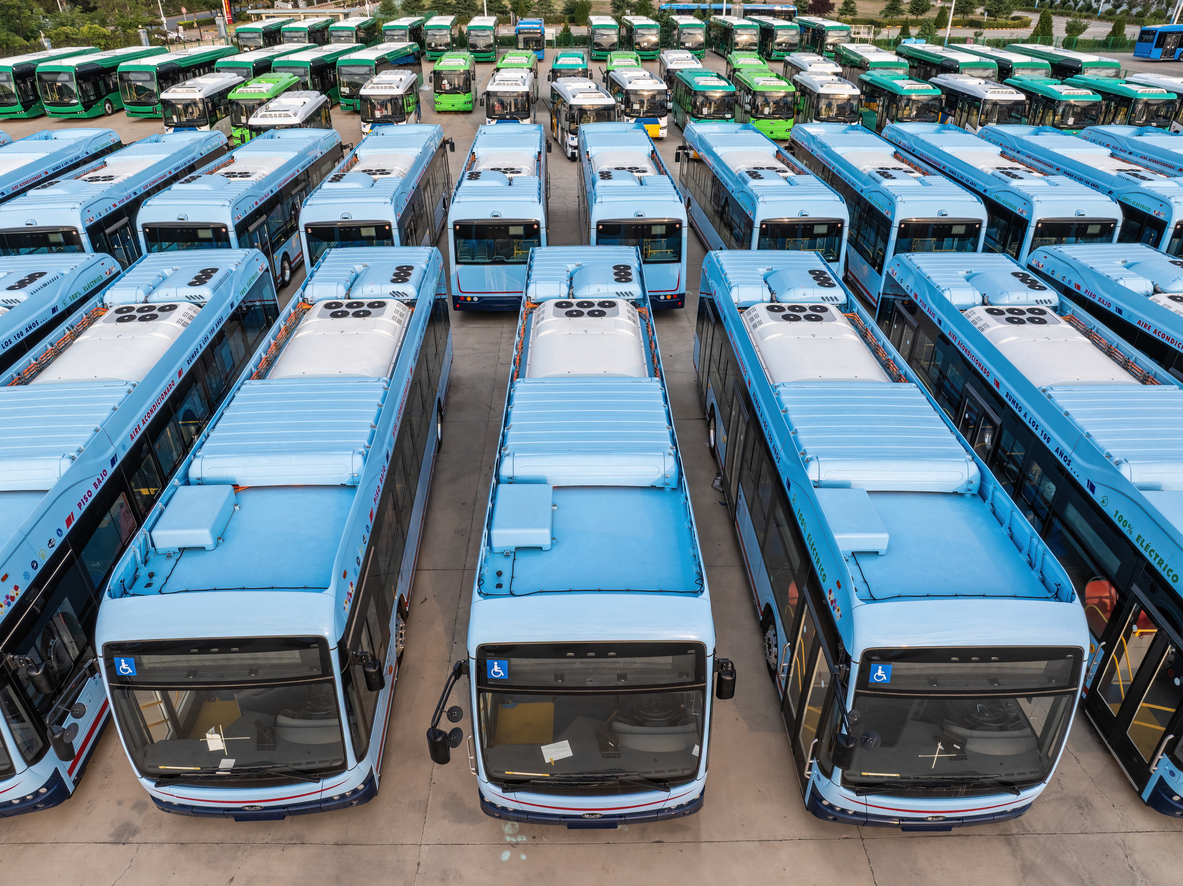
China has become one of the world’s leading manufacturers of commercial vehicles, including city buses, coach buses, school buses, electric buses, and mini buses. For governments, fleet operators, logistics companies, and transport entrepreneurs across Africa and other emerging markets, the opportunity to export buses from China offers a cost-effective way to expand and modernize transport infrastructure.
However, international vehicle sourcing involves more than simply placing an order. From supplier verification to compliance, shipping, and customs clearance, every stage requires careful planning. This is where an experienced trade partner like Wigmore Trading can help.
Why Export Buses from China?
China is home to globally recognized bus manufacturers such as Yutong, King Long, Zhongtong, Foton, and Golden Dragon. These brands produce a wide range of vehicles designed for urban transit, intercity travel, tourism, and institutional use.
One of the main reasons companies choose to export buses from China is cost efficiency. Chinese manufacturers benefit from economies of scale, advanced production facilities, and established supply chains. This allows buyers to source high-quality buses at competitive prices compared to European or North American manufacturers.
In addition, China leads in electric bus production. As more countries implement low-emission transport policies, importing electric buses from China has become an attractive solution for public and private sector fleet upgrades.
Types of Buses Available for Export
When sourcing buses from China, buyers can select from several categories depending on their operational needs.
City buses are designed for urban routes with high passenger capacity and standing room. Coach buses, on the other hand, are built for long-distance travel and tourism, offering enhanced comfort features such as reclining seats and luggage compartments.
School buses manufactured in China are increasingly exported to Africa and the Middle East, often customized to meet local safety regulations. There is also strong demand for mini buses and shuttle buses for private institutions, hotels, and corporate transport services.
Electric and hybrid buses are gaining market share globally. Chinese manufacturers dominate this segment, offering battery-electric and plug-in hybrid models tailored for different climates and terrain conditions.
Understanding the intended use, passenger capacity, fuel type, and regulatory requirements is essential before making a purchase decision.
Key Considerations When Exporting Buses from China
While the opportunity is attractive, exporting buses from China requires thorough due diligence.
Supplier Verification
Not all manufacturers or trading companies operate at the same standard. It is important to verify factory certifications, production capacity, export history, and quality control processes. Working with a trusted sourcing partner reduces the risk of dealing with unreliable suppliers.
Wigmore Trading supports buyers by conducting supplier checks, negotiating terms, and ensuring that buses meet agreed specifications.
Regulatory Compliance
Every destination country has specific import regulations for commercial vehicles. These may include:
-
Emission standards
-
Safety certifications
-
Right-hand or left-hand drive requirements
-
Age restrictions on imported vehicles
Failure to comply can result in delays, additional costs, or rejected shipments. A structured export process ensures all documentation, including commercial invoices, bills of lading, inspection certificates, and certificates of origin, is properly prepared.
Customization and Specifications
Many buyers require customized buses to meet local road conditions and operational demands. This may include reinforced suspension systems, tropical climate air conditioning, specific seating configurations, or branding.
Clear communication with the manufacturer is critical. Wigmore Trading can coordinate technical specifications and inspections before shipment to ensure the final product aligns with the buyer’s expectations.
Shipping and Logistics for Bus Exports
Transporting large commercial vehicles internationally presents logistical challenges. Buses are typically shipped via:
-
Roll-on/Roll-off (RoRo) vessels
-
Flat rack containers
-
Breakbulk shipping
The choice depends on destination port facilities, shipping schedules, and cost considerations.
Proper export planning includes freight booking, marine insurance, port handling, and customs clearance at both origin and destination. Delays in any part of the process can increase demurrage costs and impact project timelines.
Wigmore Trading works closely with established freight forwarders and shipping lines to coordinate smooth logistics for clients importing buses from China into African and global markets.
Financing and Payment Structures
Large fleet purchases require structured payment terms. Common options include letters of credit (LC), telegraphic transfer (TT), or staged payments linked to production milestones.
Risk management is critical in cross-border vehicle procurement. Engaging a trade intermediary with experience in international transactions helps protect buyers against financial and contractual risks.
Wigmore Trading assists clients in negotiating secure payment terms and managing transaction documentation to ensure transparency throughout the procurement cycle.
After-Sales Support and Spare Parts
When exporting buses from China, long-term operational performance depends on access to spare parts and technical support. Buyers should confirm:
-
Availability of replacement parts
-
Warranty coverage
-
Technical manuals and training
-
Local service partnerships
Establishing a reliable supply chain for spare parts is essential to minimize fleet downtime. Wigmore Trading can help coordinate ongoing parts supply and build sustainable procurement channels.
Opportunities in African Transport Markets
Across Africa, demand for reliable public transportation is increasing due to rapid urbanization and population growth. Governments and private operators are investing in mass transit systems, intercity coach services, and school transportation.
Importing buses from China offers a scalable solution for expanding transport capacity at competitive cost levels. Whether for public tenders, private fleet expansion, or infrastructure development projects, structured sourcing and logistics management are key to success.
With experience in African trade, customs processes, and commercial imports, Wigmore Trading understands the practical challenges faced by regional buyers.
Streamlining Bus Imports with Wigmore Trading
Exporting buses from China involves multiple moving parts: supplier selection, contract negotiation, inspection, documentation, shipping, and delivery. Managing these elements independently can be complex and time-consuming.
Wigmore Trading provides end-to-end sourcing and export support, helping clients reduce risk, control costs, and ensure regulatory compliance. From identifying reputable bus manufacturers to coordinating shipment and customs clearance, our team offers practical solutions tailored to your market.
If you are planning to export buses from China, Wigmore Trading can help.
Contact Wigmore Trading today to streamline your sourcing and fleet expansion strategy.






Comments are closed.