
Buy and export Dried Vegetables from China with Wigmore Trading

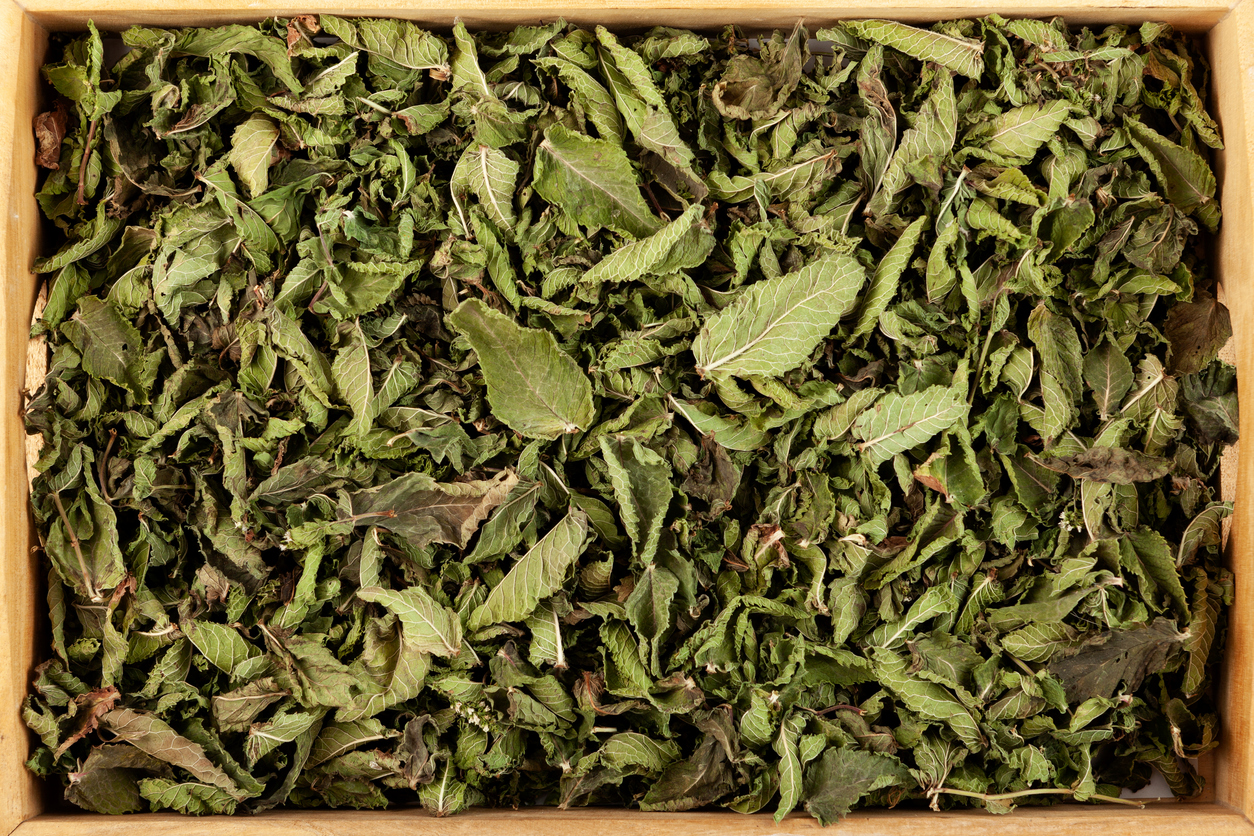
China is one of the world’s largest producers of dried vegetables, supplying food manufacturers, wholesalers, and retailers across Africa, Europe and beyond. Whether you are blending seasonings, packing instant noodles, supplying horeca, or distributing FMCG products, learning how to export dried vegetables from China efficiently can dramatically improve your margins and product consistency.
Wigmore Trading helps businesses source and export dried vegetables from China reliably, so you can focus on sales rather than chasing suppliers and managing complex logistics.
Why source dried vegetables from China?
Chinese dried vegetable processors benefit from large-scale farming, experienced dehydration facilities and competitive labour costs. This combination often means:
-
Stable, year-round availability in large volumes
-
Competitive prices for bulk and container loads
-
A wide choice of cuts, sizes and blends
For buyers in Africa, the Middle East, and Europe, choosing to export dried vegetables from China can secure long-term supply – as long as you manage quality, contracts and logistics correctly. That’s where a trading partner like Wigmore Trading can help.
Popular dried vegetables to export from China
When you buy and export dried vegetables from China, you’ll typically work with a core group of high-demand items. Examples include:
-
Dried onions and garlic – Essential for seasoning blends, instant noodles, snacks and ready meals. Available as flakes, granules and powders.
-
Dried carrots and mixed vegetables – Used in soup mixes, instant cup noodles, and emergency rations. Often supplied in uniform dice for easy dosing.
-
Dried cabbage, leeks, chives and spring onions – Common in noodle cups, spice sachets and frozen meal kits, providing colour and aroma.
-
Tomato powders and dried tomato pieces – Used by sauce manufacturers and snack flavouring companies for consistent flavour.
A clear specification for each dried vegetable – including moisture level, cut size, colour, microbial limits and packaging – is essential before you place any order. Wigmore Trading can assist you in defining these specifications based on your application and target market.
Quality, safety and compliance considerations
Food ingredients must meet strict safety and quality standards. When you export dried vegetables from China, pay special attention to:
-
Food safety systems – Look for factories that operate under recognised standards such as HACCP or ISO-based systems. Request documentation, test reports, and factory audit summaries where available.
-
Pesticide and heavy metal limits – Different markets (for example the EU vs. certain African countries) may have different maximum residue levels. Work with suppliers who understand your destination regulations and can provide regular lab tests.
-
Microbiological standards – For products going into ready-to-eat applications, bacterial counts and pathogens must be tightly controlled.
-
Labelling and documentation – Certificates of origin, health certificates, phytosanitary certificates and packing lists must be correct to avoid border delays.
Wigmore Trading can help verify supplier documents, arrange independent inspections where needed, and ensure your dried vegetables comply with the requirements of your import market.
Step-by-step: how to buy and export dried vegetables from China
The process to buy and ship dried vegetables from China is straightforward when you follow a structured approach:
1. Define your product and volume
Start with your exact requirements:
-
Which dried vegetables do you need and in what cut (flake, granule, powder)?
-
What is your target annual volume and order frequency?
-
Which destination port will you use?
Clear answers help you secure more accurate pricing and avoid quality misunderstandings later. Wigmore Trading can translate your needs into a technical specification that Chinese factories will understand.
2. Select and vet Chinese suppliers
There are thousands of dried vegetable producers and traders in China. Not all meet export-grade standards. Supplier vetting should include:
-
Checking company registration and export licence
-
Reviewing certifications and past export history
-
Evaluating sample quality against your specification
Instead of dealing with multiple unknown factories, many buyers prefer to work through Wigmore Trading, which already collaborates with vetted Chinese dried vegetable suppliers and understands which ones are best suited for different products and destinations.
3. Confirm samples, pricing and terms
Before any bulk shipment, always test samples in your process or product. Once the samples are approved:
-
Agree on the packing (multi-wall bags, cartons, inner liners, palletisation)
-
Fix pricing terms (usually FOB or CIF) and payment terms
-
Confirm lead times and production schedules
Wigmore Trading can coordinate sample dispatch, negotiate pricing, and ensure your incoterms and contracts protect your interests.
4. Arrange production, inspection and loading
After the contract is signed, production begins. For critical products, you may wish to arrange a pre-shipment inspection to verify:
-
Product identity and appearance
-
Packaging and labelling
-
Quantity and loading condition
Wigmore Trading can arrange third-party inspection or conduct checks via local partners in China, reducing your risk of non-conforming goods.
5. Manage export and shipping logistics
Once goods are ready, export documentation and shipping must be handled correctly. This includes:
-
Export customs clearance in China
-
Booking container space with a suitable shipping line
-
Ensuring all health, origin and phytosanitary certificates match your import requirements
-
Monitoring the shipment and providing updated ETAs
Wigmore Trading’s logistics team works with established freight forwarders to move your dried vegetables from the factory in China to your chosen port in Africa, the UK, Europe or elsewhere.
Shipping dried vegetables to African and global markets
Dried vegetables are typically shipped in 20ft or 40ft containers, depending on density and packaging. Transit times from China to West and East Africa, Europe or the Middle East can be significant, so planning is essential.
Because dried vegetables have a longer shelf life than fresh produce, they are ideal for long-distance shipping – but they still require protection from moisture and contamination. Suitable inner liners, desiccants and strong pallets help preserve quality. Wigmore Trading can advise on the most cost-effective packing configurations for your route and storage conditions.
How Wigmore Trading adds value to your sourcing
Working directly with distant suppliers can consume time and expose you to avoidable risk. By partnering with Wigmore Trading to export dried vegetables from China, you can:
-
Access a network of vetted Chinese dried vegetable factories
-
Save time on supplier communication, negotiation and follow-up
-
Improve reliability through coordinated logistics and documentation
-
Combine dried vegetables with other food ingredients or FMCG products in the same shipment where practical
Whether you are an importer, wholesaler, or food manufacturer, Wigmore Trading can help you simplify sourcing, stabilise supply and focus your energy on serving your customers.
Ready to export dried vegetables from China?
If you are looking to buy and export dried vegetables from China, you don’t have to manage the process alone. Wigmore Trading can help you move from initial inquiry to delivered shipment with fewer delays and fewer surprises.
Contact Wigmore Trading today to discuss your dried vegetable requirements, compare options from Chinese suppliers, and streamline your next shipment.



Comments are closed.