
How to Import from China to UK: A Practical Guide for UK Importers

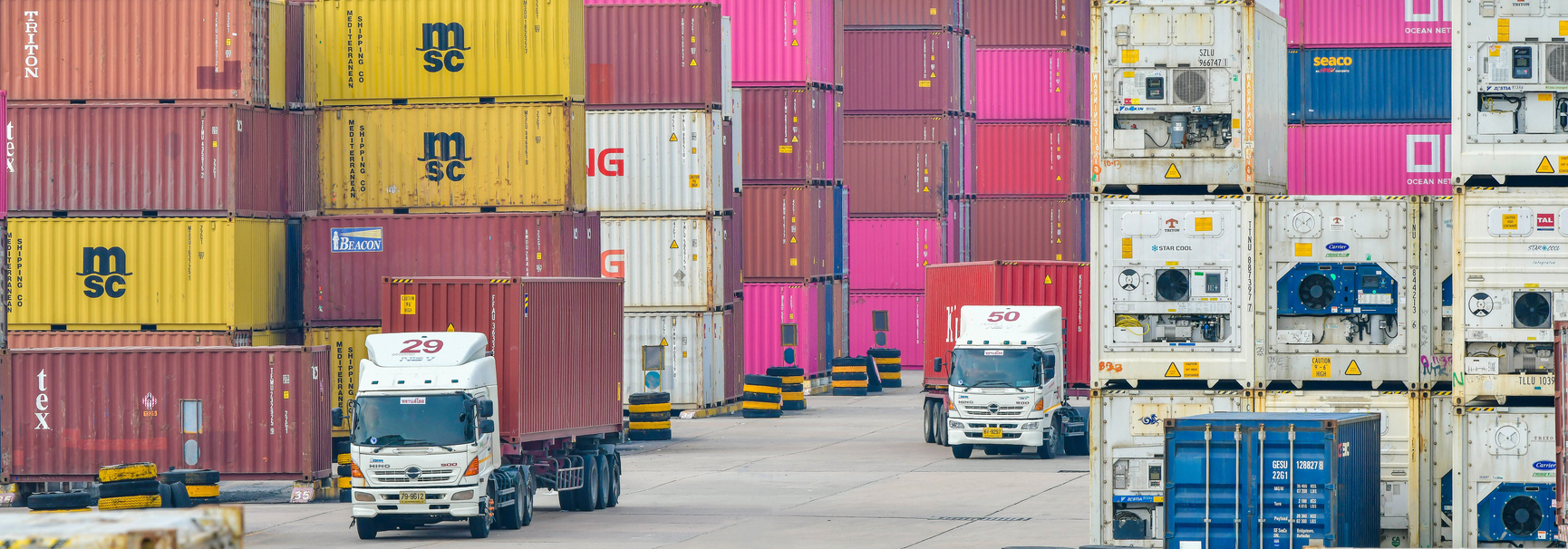
Importing goods from China to the UK remains one of the most cost-effective ways for businesses to source products across industries such as FMCG, electronics, textiles, industrial equipment, and wholesale consumer goods. However, understanding how to import from China to UK requires careful planning, regulatory awareness, and reliable supply chain management.
For UK importers, wholesalers, and distributors, this guide explains the essential steps, costs, compliance requirements, and how Wigmore Trading can help streamline the process.
Why Import from China to the UK?
China continues to be one of the UK’s largest trading partners, offering competitive manufacturing costs, extensive product variety, and established export infrastructure. Many UK businesses import from China to benefit from:
- Lower production costs compared to European manufacturing
- Access to large-scale OEM and private label production
- Wide product availability across multiple sectors
- Flexible minimum order quantities in certain industries
However, importing goods from China to the UK also involves customs procedures, VAT considerations, shipping documentation, and regulatory compliance under UK law.
Step 1: Identify and Vet Your Supplier in China
The first step in learning how to import from China to UK is supplier selection. Businesses typically source through platforms such as Alibaba, Global Sources, or trade fairs like the Canton Fair. While these platforms offer convenience, due diligence is critical.
Before placing an order:
- Verify the supplier’s business license and export registration
- Request product samples
- Confirm manufacturing capabilities
- Clarify Incoterms (FOB, CIF, EXW, etc.)
- Negotiate payment terms carefully
Many UK importers reduce risk by working with experienced sourcing partners. Wigmore Trading can assist with supplier verification, product sourcing, and quality control, helping businesses avoid common pitfalls such as inconsistent product standards or shipment delays.
Step 2: Understand UK Import Regulations and Compliance
After Brexit, UK import rules differ from EU procedures. When importing from China to the UK, businesses must comply with HMRC requirements and ensure products meet UK standards.
Key compliance considerations include:
- EORI number registration (Economic Operator Registration and Identification)
- Correct commodity codes (HS codes)
- Payment of import duty and VAT
- UKCA marking for applicable goods
- Product safety and labelling regulations
Incorrect documentation or misclassified goods can result in customs delays, penalties, or seizure of goods. Ensuring accuracy in customs declarations is essential.
Wigmore Trading supports clients with customs documentation preparation and regulatory guidance, reducing the risk of non-compliance.
Step 3: Choose the Right Shipping Method
When importing goods from China to the UK, selecting the appropriate shipping method significantly impacts cost and delivery time.
The main shipping options include:
Sea Freight
Sea freight is the most cost-effective method for large shipments. It is suitable for bulk imports, container loads (FCL), or shared containers (LCL). Transit times typically range from 25 to 40 days depending on the port of departure and UK entry point.
Air Freight
Air freight is faster, usually taking 5 to 10 days, but costs are significantly higher. It is ideal for high-value, time-sensitive, or lightweight goods.
Rail Freight
Rail freight from China to Europe is increasingly used, although final delivery into the UK still requires coordination. It offers a balance between speed and cost.
Freight costs fluctuate based on fuel prices, global demand, and port congestion. Partnering with an experienced logistics provider helps optimise shipping routes and control costs. Wigmore Trading works with reliable freight forwarders to coordinate efficient shipping solutions tailored to business needs.
Step 4: Calculate Total Import Costs
Understanding how to import from China to UK requires calculating the full landed cost, not just the supplier’s invoice price.
Total import costs may include:
- Product cost
- Freight charges
- Marine insurance
- Import duty
- VAT (typically 20% in the UK, depending on the product)
- Customs clearance fees
- Port handling charges
- Inland transport within the UK
Failing to account for these expenses can reduce profit margins significantly. Businesses should request detailed freight quotes and verify duty rates using the UK Trade Tariff tool.
Wigmore Trading can help businesses estimate total landed costs accurately, ensuring pricing strategies remain competitive and sustainable.
Step 5: Manage Customs Clearance
Customs clearance is a critical stage when importing goods into the UK. Required documentation typically includes:
- Commercial invoice
- Packing list
- Bill of lading or airway bill
- Certificate of origin (if applicable)
- Import declaration
Errors in documentation are one of the most common causes of shipment delays. Working with an experienced customs broker simplifies the process and ensures compliance with HMRC regulations.
Wigmore Trading assists with customs coordination, documentation checks, and communication with freight partners to ensure smooth entry into UK ports.
Step 6: Quality Control and Risk Management
Quality issues are a major risk when importing from overseas manufacturers. Differences in standards, production errors, or communication gaps can lead to defective goods arriving in the UK.
Best practices include:
- Pre-production inspections
- During-production quality checks
- Pre-shipment inspections
- Clear product specifications in contracts
Businesses importing high-volume FMCG or wholesale products must ensure consistency to protect their brand reputation.
Wigmore Trading helps manage supplier relationships and coordinate quality control inspections, providing additional oversight and accountability in the supply chain.
Common Challenges When Importing from China to the UK
Importers frequently face challenges such as fluctuating shipping rates, supply chain disruptions, port congestion, currency exchange volatility, and regulatory changes.
Practical solutions include diversifying suppliers, securing fixed freight contracts where possible, monitoring currency trends, and working with experienced trade partners.
With expertise in international sourcing and logistics, Wigmore Trading can help businesses navigate these challenges and maintain reliable supply chains.
Final Thoughts on How to Import from China to UK
Importing from China to the UK can be highly profitable when approached strategically. Success depends on selecting reliable suppliers, understanding UK customs regulations, calculating total landed costs accurately, and ensuring product quality control.
For UK wholesalers, distributors, and businesses entering global trade, a structured import process reduces risk and protects margins. Wigmore Trading can help. From supplier sourcing and freight coordination to customs support and compliance guidance, our team provides practical solutions that streamline international procurement.
Contact Wigmore Trading today to streamline your sourcing and ensure your imports from China to the UK are efficient, compliant, and cost-effective.






Comments are closed.